Navigation
Is Singapore Expensive? Free and Budget-Friendly Things to Do
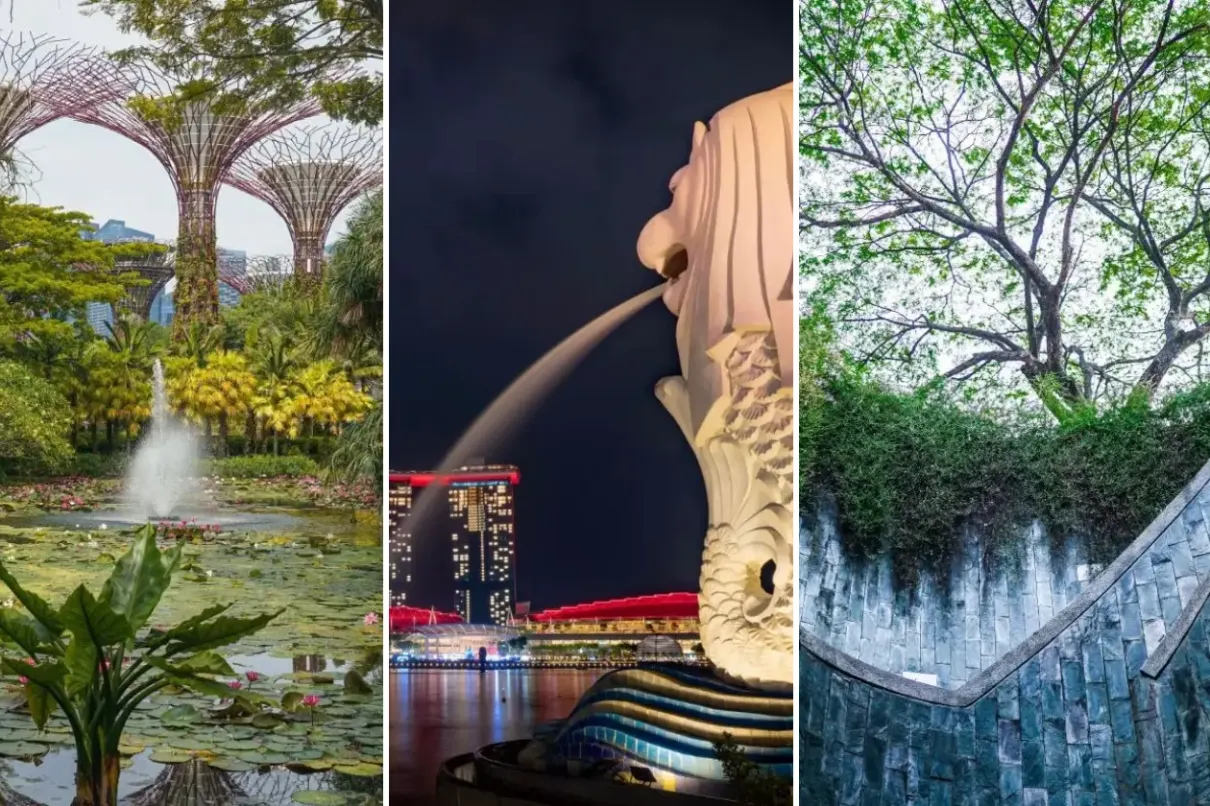

Singapore can be expensive, but not every part of the trip has to be.
Accommodation, frequent private transport, nightlife, and several ticketed attractions can push costs up quickly. On the other hand, Singapore’s public transport fares are distance-based, hawker centers make everyday meals more affordable, and several of the city’s best-known outdoor sights are free to visit.
So the better question is not simply whether Singapore is expensive. It is where you actually need to spend money and where you can save without making the trip feel limited.
For a budget-conscious traveller, that usually means making good use of free sightseeing, choosing paid attractions selectively, and thinking about your time as carefully as your money.
Where Singapore Gets Expensive—and Where It Doesn’t
Singapore’s reputation for being expensive makes more sense when you break the trip into different costs.
|
Part of the trip |
Budget reality |
|
Accommodation |
Often one of the harder costs to reduce, particularly if location and hotel standard matter |
|
Food |
Can vary widely, but hawker centers make affordable everyday eating much easier |
|
MRT and buses |
One of the easier parts of the trip to keep under control |
|
Taxis and private transport |
Convenient, but repeated use can increase daily spending |
|
Ticketed attractions |
Manageable if you choose selectively; much more expensive if you try to do everything |
|
Alcohol and nightlife |
Can take a noticeable share of your budget |
|
Sightseeing |
Surprisingly flexible because many neighbourhoods, gardens, waterfront areas and public landmarks are free |
This is why two travellers can leave Singapore with very different impressions of how expensive it is.
Someone staying at an upscale central hotel, using private transport, and buying several attraction tickets each day may find the city expensive. Someone using the MRT, eating regularly at hawker centers, and mixing one or two paid attractions with free neighborhoods and public spaces can keep costs much more manageable.
You also do not need to eat every meal as cheaply as possible to make a difference. Hawker centers are part of everyday life in Singapore, and the National Environment Agency describes affordable food as one of their central roles.
The aim is not to turn the entire holiday into a cost-cutting exercise. It is simply to avoid spending more where it adds little to your experience.
Before You Call Something “Free,” Check What That Actually Includes
“Free things to do” can mean several different things in Singapore.
Some places genuinely have no admission fee. Others are free to enter but have ticketed attractions inside. Some activities advertised as free are better understood as pay-as-you-wish experiences.
Knowing the difference makes it easier to plan a realistic budget.
Some attractions have a free core and paid extras
Gardens by the Bay is a good example.
Its outdoor gardens and Supertree Grove can be explored without an admission ticket, while attractions such as the cooled conservatories and elevated walkways are paid.
The same applies elsewhere in Singapore. A neighborhood, garden, or beach may be free to explore, while museums, activities, special exhibits, or nearby attractions charge separately.
“Free walking tour” often means pay what you think it was worth
If you search for a free walking tour in Singapore, check the booking terms first.
Several established walking-tour operators use a pay-as-you-wish or tips-appreciated model. Indie Singapore describes its free tours as pay-as-you-wish, while Monster Day Tours currently describes several of its neighborhood tours as free but tip-based.
That is different from simply walking around Chinatown, Little India, or Kampong Gelam yourself at no cost.
A guided tour may still be good value if you want historical and cultural context. Just do not assume that “free tour” necessarily means spending nothing.
Free Things to Do in Singapore That Are Actually Worth Your Time
There are enough free attractions in Singapore to make a very long list. But most short-term visitors do not need one.
A more useful question is which free experiences are actually worth making time for during your trip.
1. Marina Bay Waterfront and Merlion Park
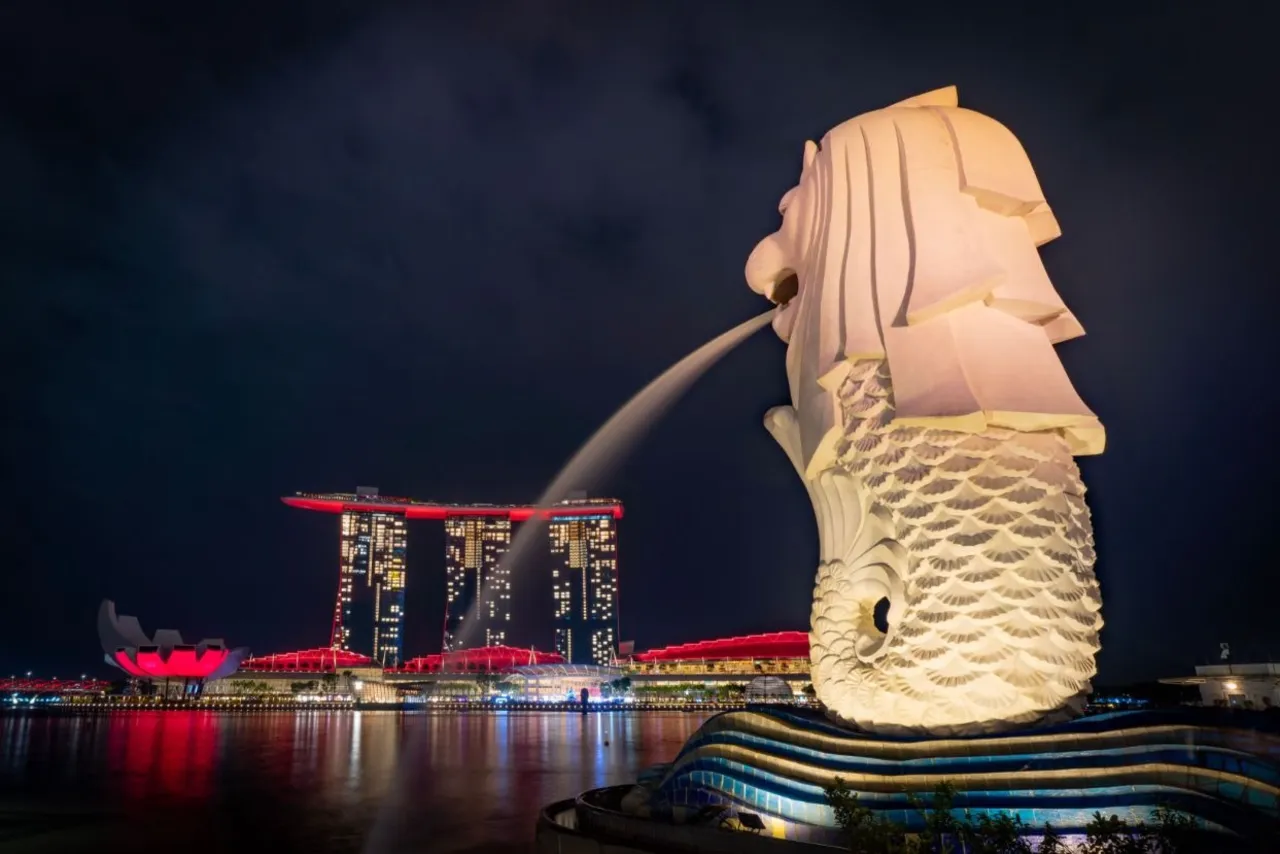
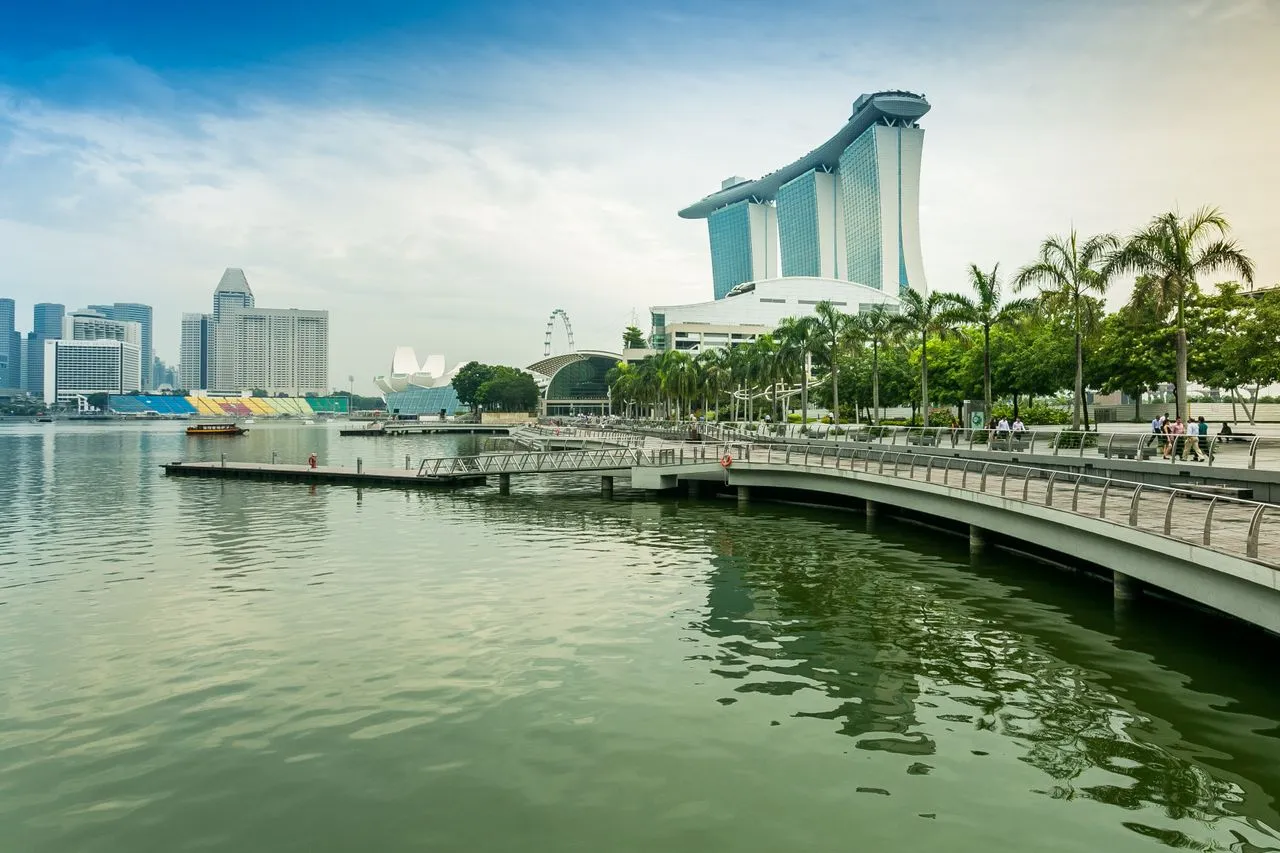
For a first visit, Marina Bay gives you a lot without an admission fee.
You can walk along the waterfront, see the skyline, and visit Merlion Park without buying a ticket. The Singapore Tourism Board currently lists Merlion Park as free and open around the clock.
One of the biggest advantages is how much you can see in the same area. Instead of travelling across Singapore for one free attraction, you can connect several major sights around Marina Bay on foot.
If you are there in the evening, Spectra, Marina Bay Sands’ outdoor light and water show, is also free.
Best for: almost every first-time visitor, particularly on a short trip.
2. Gardens by the Bay’s Free Outdoor Areas
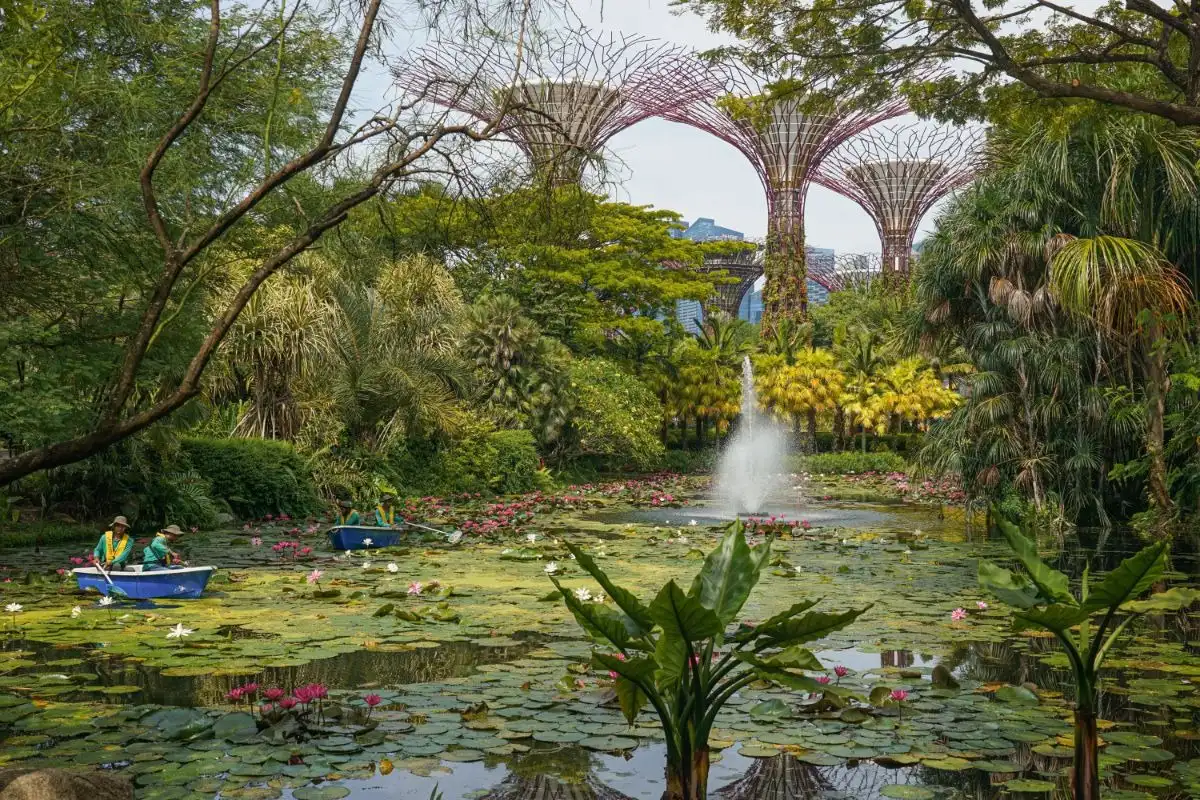
Gardens by the Bay is a good example of why budget sightseeing in Singapore does not have to feel like settling for less.
The Supertree Grove and several outdoor gardens are free to enter. You can walk beneath the Supertrees, explore the landscaped areas, and return in the evening for Garden Rhapsody without paying admission.
The Flower Dome, Cloud Forest, and some elevated attractions require separate tickets.
Whether you need those depends on what interests you. If your main priority is seeing the Supertrees and enjoying the outdoor landscape, the free areas may already be enough. If the conservatories are one of the experiences you most want to see, this may be where spending makes sense.
Best for: first-time visitors, architecture and garden enthusiasts, and anyone already spending time around Marina Bay.
3. Chinatown
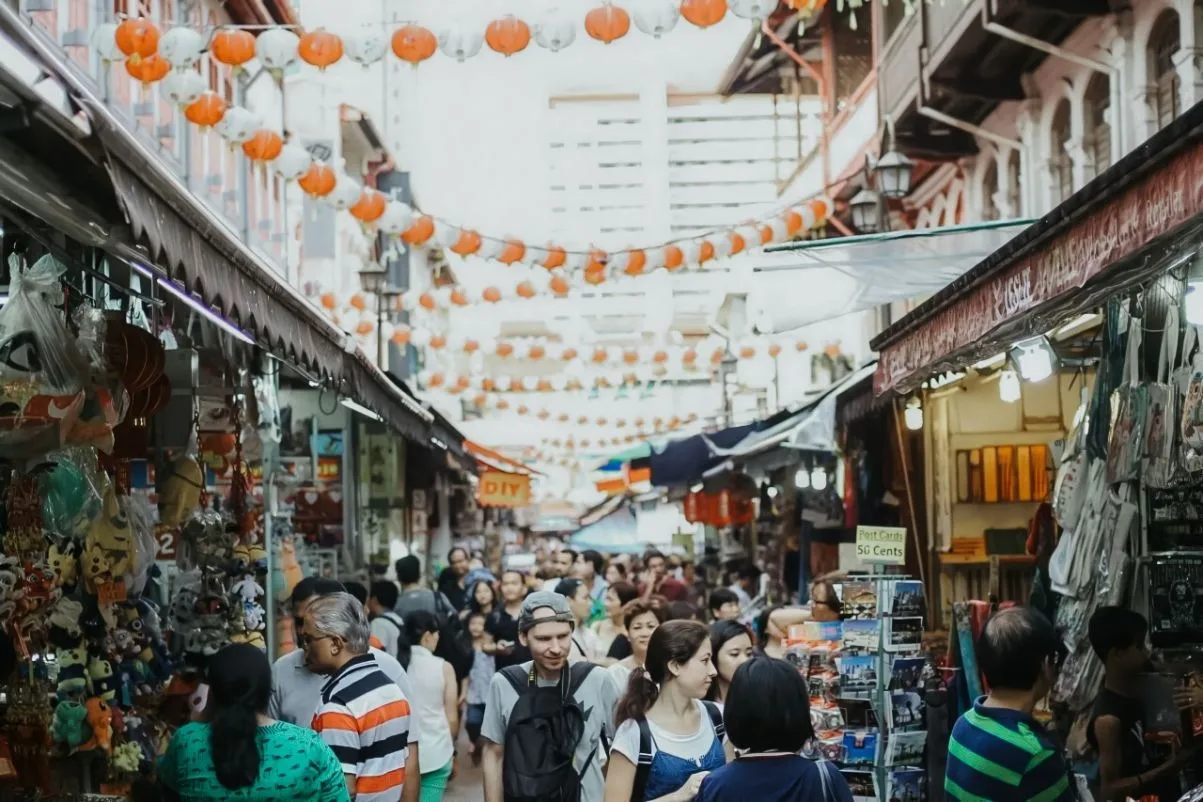
Chinatown works particularly well for budget sightseeing because the neighborhood itself is part of the experience.
You can explore its streets, shophouses, murals, places of worship, and traditional businesses without buying an attraction ticket. The area is also home to hawker centers such as Chinatown Complex and Maxwell Food Center, so sightseeing and an affordable meal can fit naturally into the same visit.
There are paid museums, shops, and guided experiences if you want more depth, but you do not need them simply to explore the neighborhood.
Best for: travellers interested in food, heritage, and exploring on foot.
4. Kampong Gelam
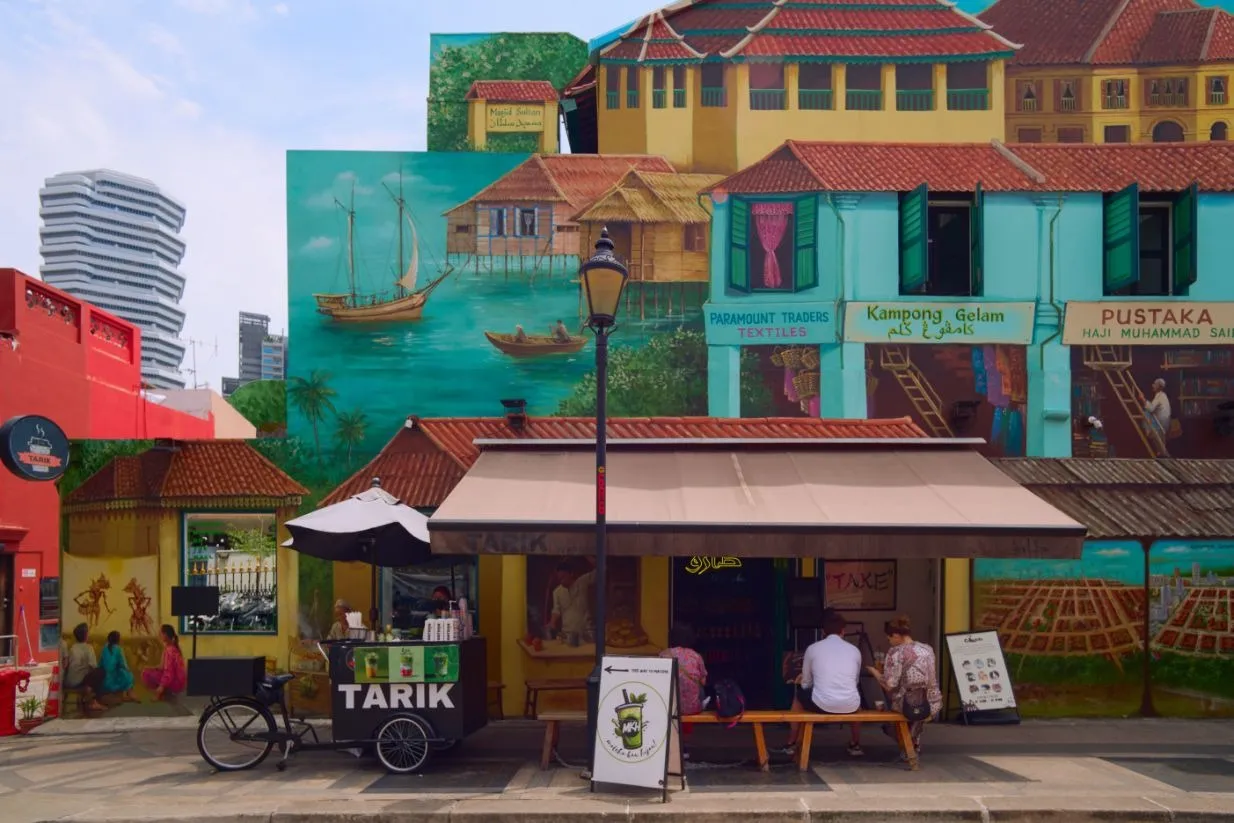
Kampong Gelam offers a different side of Singapore without requiring a paid attraction.
The area brings together Malay and Muslim heritage, street art, independent shops, cafes, and the streets around Sultan Mosque and Haji Lane. The Singapore Tourism Board highlights it as one of the city’s historic urban quarters and a neighborhood that is easy to explore on foot.
You can easily spend money here on food, shopping, or drinks, but walking around the district itself costs nothing.
Best for: architecture, street photography, heritage, and travelers who prefer neighborhoods to formal attractions.
5. Little India
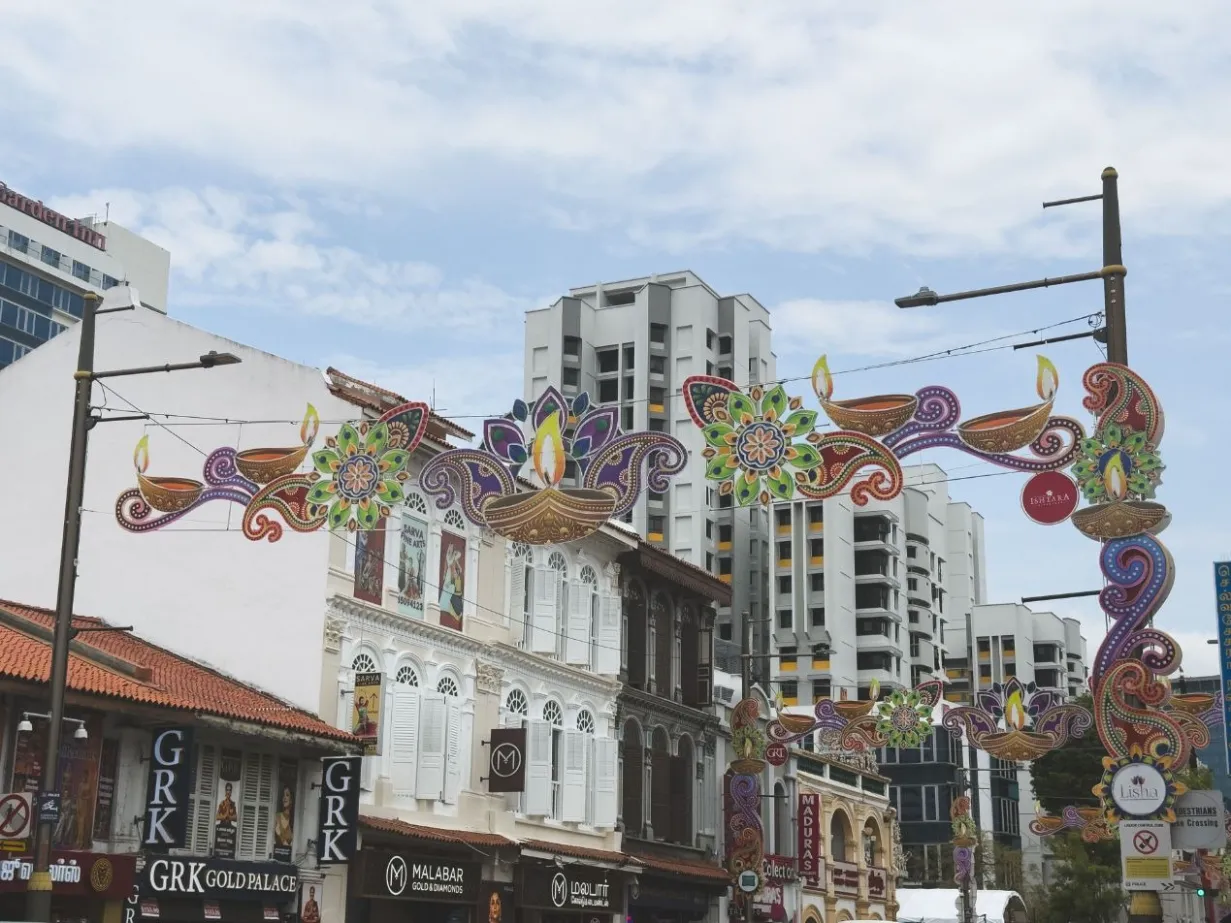
Little India is another place where simply walking around gives you much of the experience.
Serangoon Road and the surrounding streets bring together temples, shops, markets, murals, traditional businesses, and everyday neighborhood life. Singapore’s official tourism site also describes Little India as easy to explore on foot.
There are paid museums and experiences nearby, but you do not need them to appreciate the neighborhood.
Best for: culture, markets, street life, and food.
6. Singapore Botanic Gardens
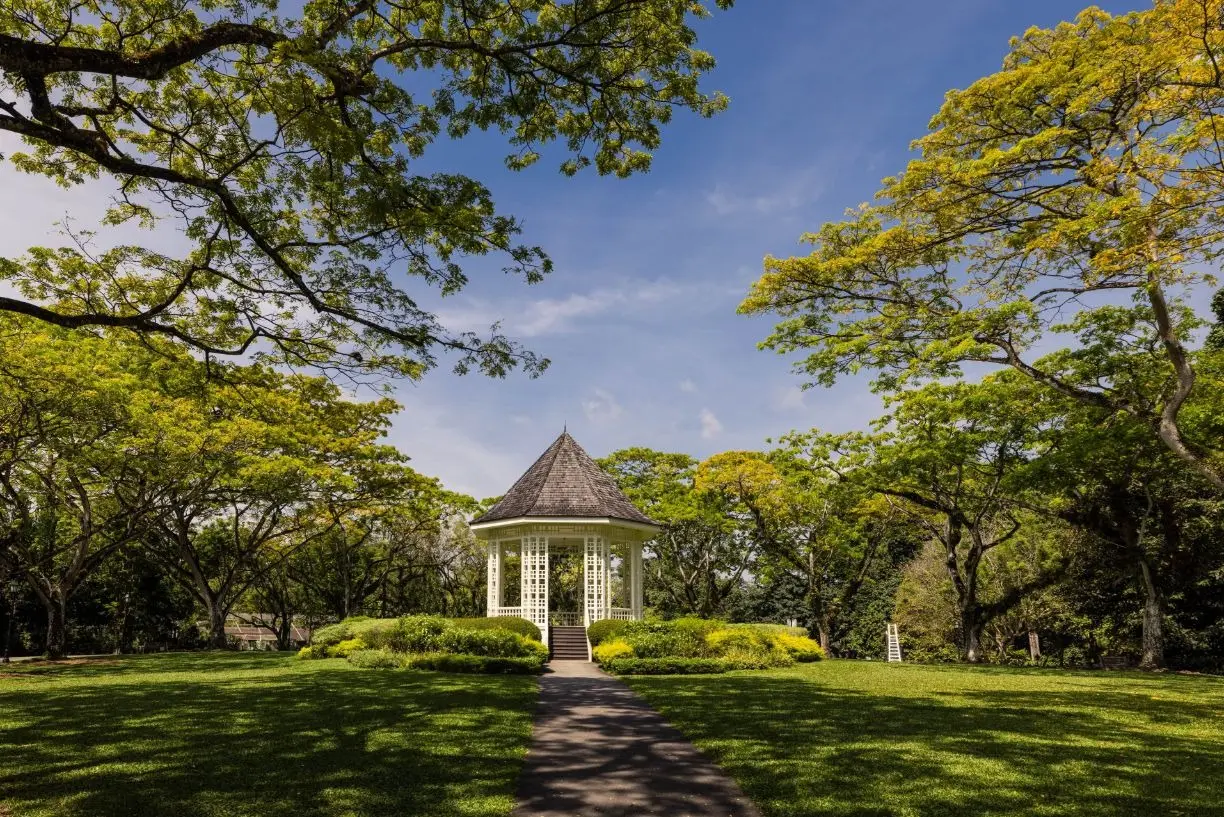
The Singapore Botanic Gardens is one of the better free options if you want a break from dense city sightseeing.
Entry to the main Gardens is free for everyone, every day. The National Orchid Garden is the main paid section.
This is not just a small city park to squeeze between other attractions. The Gardens cover a large area, so they are better suited to travellers who genuinely want a slower green-space experience.
That also means they may not be a priority for everyone visiting Singapore for only a day or two.
Best for: nature lovers, slower trips, and anyone wanting a break from central sightseeing.
7. Fort Canning Park
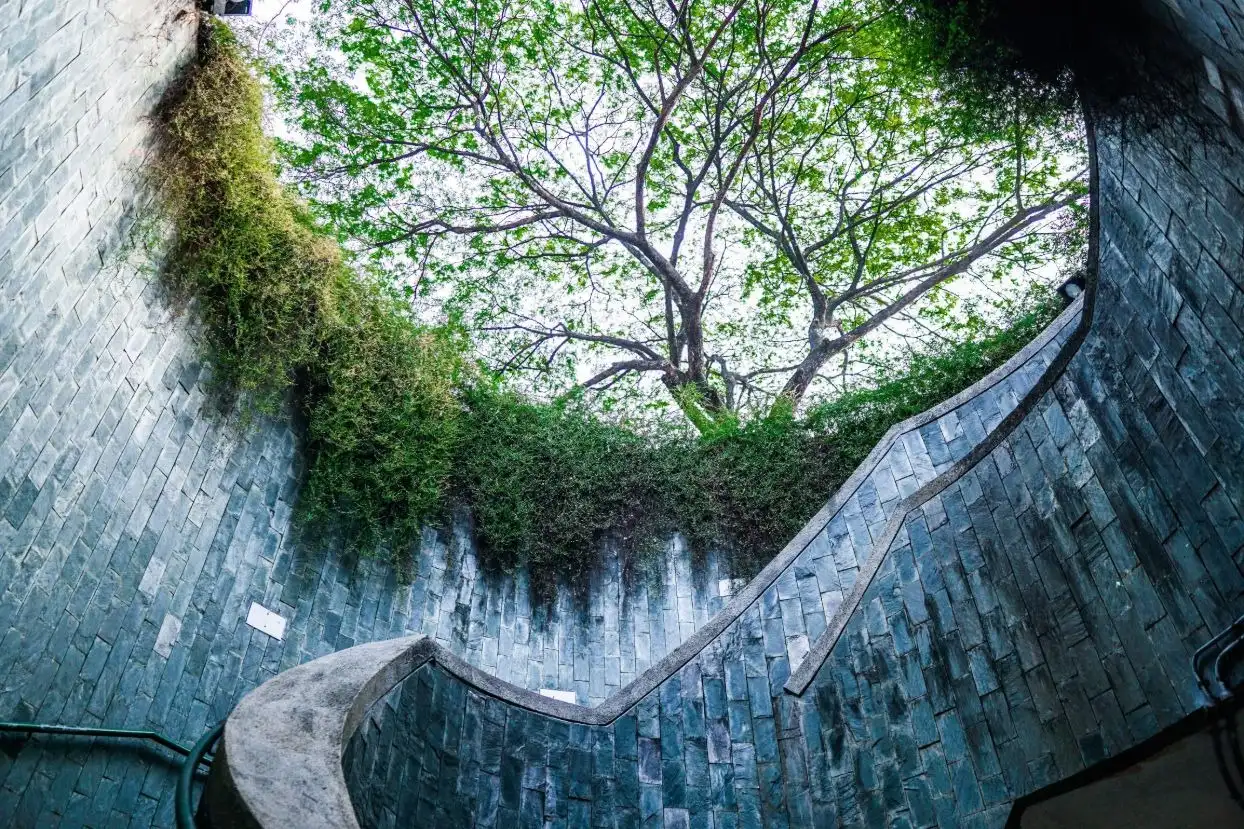
Fort Canning works well if you want some greenery and history without travelling far from central Singapore.
The hill has played several roles in Singapore’s history, and NParks currently offers free admission to the Fort Canning Heritage Gallery and Spice Gallery.
You can combine the park with nearby central areas rather than making it a separate excursion.
Best for: travellers who want history and greenery in a relatively central location.
8. Singapore River and the Civic District
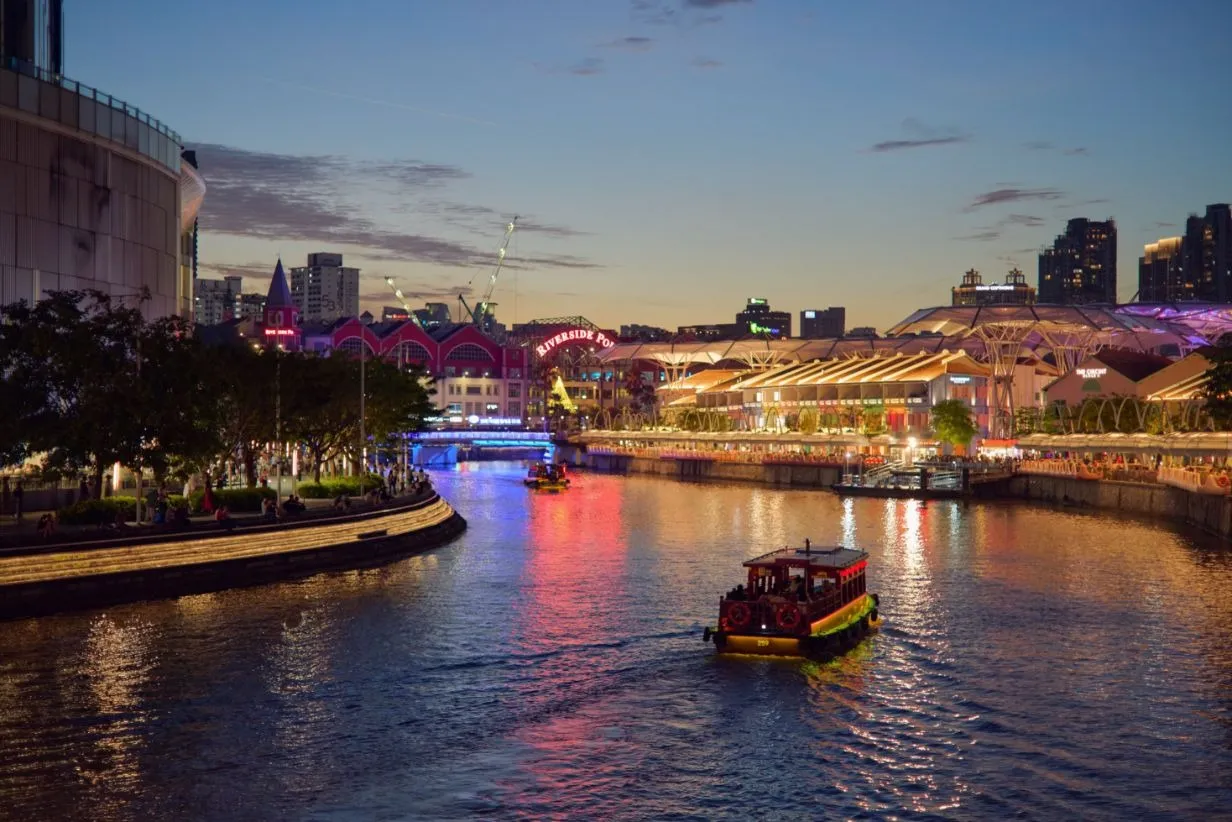
You do not need to take a river cruise or enter every museum to enjoy this part of Singapore.
Walking along the river and through the nearby civic areas lets you see restored buildings, historic streets, bridges, and different parts of the waterfront at your own pace. The Singapore River area also connects naturally with other central neighborhoods, so you do not need a separate long transfer.
Paid options are available if you want them, but the basic walking experience does not depend on them.
Best for: travellers who enjoy walking and want to connect several central sights rather than visit isolated attractions.
9. Jewel Changi Airport and the Rain Vortex

Jewel is slightly different because it is at the airport rather than in the main sightseeing area.
You can view the HSBC Rain Vortex from Jewel’s public areas without an attraction ticket, while experiences such as Canopy Park and its individual attractions are paid.
For most visitors, the best way to include Jewel on a budget is around your arrival or departure. If you are in transit, you can also look into a Singapore layover tour to maximize a short connection without paying extra transport costs.
Making a separate trip back to Changi just because the Rain Vortex is free may not be the best use of a short stay.
Best for: travellers with enough airport time before departure or after arrival.
10. Southern Ridges
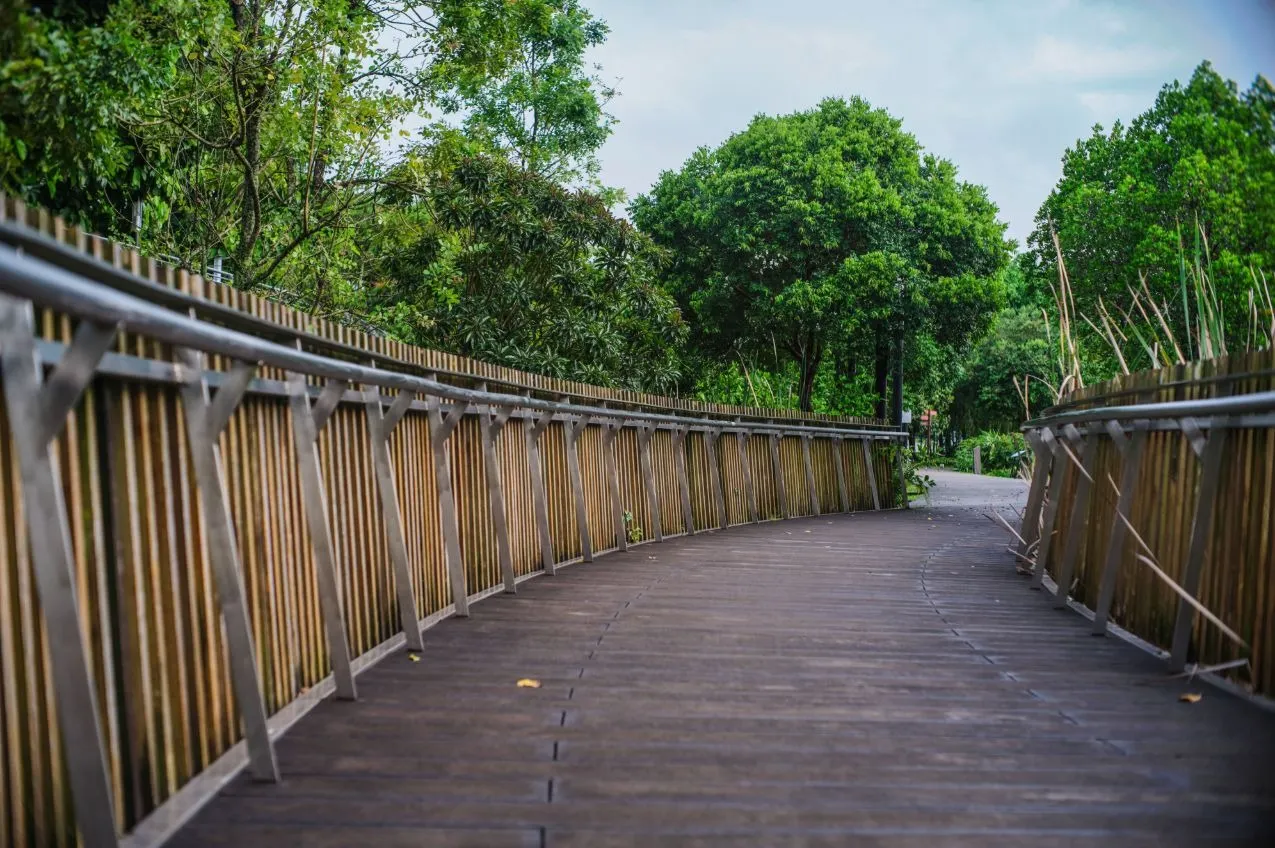
The Southern Ridges is worth considering if you want a longer outdoor experience rather than another city attraction.
The network connects green spaces, including Mount Faber Park, Telok Blangah Hill Park, HortPark, and Kent Ridge Park. NParks describes the Southern Ridges as roughly 10 kilometers of connected green space, and one of its suggested routes can take around three to five hours.
So while it costs nothing to visit, it can take up a significant part of your day.
For a longer stay or a traveler who enjoys walking, that may be exactly what you want. For a first visit lasting only a day or two, there are probably stronger priorities.
Best for: hikers, repeat visitors, and longer Singapore stays.
Which Free Experiences Are Worth Going Out of Your Way For?
Not every free attraction deserves the same amount of space in your itinerary.
If your Singapore trip is short, prioritizing by experience and location is usually more useful than simply trying to visit as many free places as possible.
|
Experience |
Short-trip decision |
|
Marina Bay waterfront |
Prioritize |
|
Gardens by the Bay outdoor areas |
Prioritize |
|
Chinatown |
Prioritize |
|
Kampong Gelam |
Add if it fits your route or interests |
|
Little India |
Add if it fits your route or interests |
|
Botanic Gardens |
Better when you have more time |
|
Fort Canning / Singapore River |
Combine with nearby sightseeing |
|
Jewel Changi |
Best around your arrival or departure |
|
Southern Ridges |
Better for a longer stay |
This is where a simple “free things to do” list can be misleading.
If you have only three days in Singapore, making a long trip for an attraction simply because it has no entry fee may offer less value than paying a small amount for something that fits naturally into the rest of your plans.
Budget travel is not only about ticket prices. Your limited holiday time has value too.
When Paying a Little More Is Worth It
Trying to make every activity free can make your trip unnecessarily restrictive.
Instead, keep everyday sightseeing relatively inexpensive and spend selectively on experiences that genuinely add something to your trip.
Pay for one attraction you genuinely care about
If the Cloud Forest, a museum, wildlife experience, or another ticketed attraction is one of the main reasons you want to visit Singapore, paying for it may make much more sense than choosing three cheaper attractions you care about less.
Ask yourself:
Would I feel I missed something important if I skipped this?
If the answer is yes, it probably deserves a place in your budget.
If you are only considering the ticket because it appears in every generic Singapore itinerary, you may not need it.
Consider the paid section only when it adds something you want
The Singapore Botanic Gardens is a good example. The main Gardens are free, while the National Orchid Garden requires a separate ticket.
If orchids are a major interest, that extra cost may be worthwhile. If you mainly want to explore the Gardens, the free areas may already be enough.
A guided walk can be worth paying for when context matters
Exploring Chinatown or Little India independently is free.
But walking past a temple, historic shophouse, or old trading street is not the same as understanding why it matters.
If you are interested in history and culture, a guided walking experience may be worth the cost. If your main goal is photography, food stops, or casual exploration, walking independently may be enough.
Neither option is automatically better.
Sometimes convenience is worth paying for
Public transport works well for most sightseeing journeys, and Singapore’s bus and rail fares are distance-based.
But the cheapest transport option is not always the best one.
If a taxi or private transfer saves meaningful time on a tightly planned day, spending less but losing an hour may not actually give you better value.
Use that convenience selectively rather than making it your default way to get around.
How to Get Better Value From Your Singapore Sightseeing Budget
You do not need dozens of money-saving tricks. A few decisions can make a much bigger difference.
- Group nearby attractions together. Marina Bay and Gardens by the Bay are an obvious combination. Apply the same idea to neighborhoods and central walking areas.
- Decide which paid experiences matter before the trip. This makes it easier to avoid adding tickets simply because an attraction is nearby or popular.
- Consider time as well as price. A free attraction that requires a major detour may offer poorer value than something paid that fits naturally into your day.
The goal is not to spend as little as possible. It is to avoid spending money or time on experiences you do not care about.
So, Is Singapore Worth Visiting on a Budget?
Singapore is unlikely to feel cheap if you want premium accommodation, frequent private transport, nightlife, and several major paid attractions.
But those costs do not define the whole trip. Many of Singapore’s strongest sightseeing experiences are free, while hawker food and public transport make everyday spending easier to manage.
A good approach is to use Singapore’s free experiences where they are genuinely worthwhile, then spend selectively on the few paid experiences that matter to you.
That way, you are not trying to make Singapore artificially cheap. You are simply spending money on the parts of the trip that feel worth paying for.
For travellers who prefer to have airport transfers and core sightseeing arranged while still leaving some time for independent exploration, Advensa also currently offers 4- and 5-day Singapore tour options with built-in free time.