Navigation
Station 1, 2, or 3? Where to Stay in Boracay for the Ultimate Beach Holiday
.jpg)

Planning a trip to this popular island starts with a single major decision. You need to choose the right neighborhood for your hotel.
The main coastline stretches for roughly four kilometers along the western edge. It is divided into three distinct zones, known as the Boracay White Beach Stations. They all share the same beautiful water and famous fine powdery sand. However, each zone offers a different experience, price point, and crowd level.
Choosing the wrong area can turn a relaxing trip into a stressful one. This guide explains the practical differences between the three zones. It also covers transportation, weather, alternative beaches, and local rules to help you build the perfect itinerary. Whether you want a luxury resort, a cheap hostel, or a place to kitesurf, the island has a specific neighborhood designed for that exact purpose.
How to Arrive and Transfer
Getting to the island requires a few specific steps. There is no airport directly on the sand. You have to fly into one of two airports located on the larger neighboring island of Panay.
The closest and most convenient airport is Caticlan. The runway sits just a ten-minute drive from the ferry port. Flights to Caticlan are usually slightly more expensive because of the convenience. The planes flying here are often smaller propeller aircraft. Because of this, airlines enforce strict baggage weight limits. You cannot easily bring massive suitcases through this route without paying heavy oversize fees.
The second option is Kalibo International Airport. Flights landing here are frequently cheaper. Kalibo handles larger jet planes, making it much easier to travel with heavy or bulky luggage. The major downside is the travel time. From Kalibo, you have to board a bus or a shared van for a two-hour drive through winding mountain roads to reach the ferry port.
Once you reach the Caticlan Jetty Port, the process requires paperwork and small cash. You must pay three separate fees before boarding a boat. You will pay a local environmental fee, a port terminal fee, and the actual boat ticket. Keep small bills handy for these fast transactions. The boat ride across the channel takes about fifteen minutes.
Upon arrival at the Cagban Port on the island, you will find a long line of electric tricycles waiting. Drivers will organize you based on your hotel location. The ride from the southern port to your hotel can take anywhere from fifteen to forty minutes, depending on traffic and how far north you are staying. Many hotels offer a service to handle all these transfers for you, which removes the stress of paying separate port fees.
Understanding the Island Layout
The island geography is long and narrow. A single main road runs right down the center from north to south. Most hotels, restaurants, and businesses sit packed between this busy main road and the western coastline.
A paved pedestrian path runs directly along the sand for most of the main tourist stretch. Motorized vehicles are strictly banned from this beach path. You will do a significant amount of walking during your trip. To get from your hotel room to a restaurant, you usually walk out the front door, step onto the pedestrian path, and follow the coastline. If you need a vehicle, you have to walk inland through narrow alleys to reach the main road where the tricycles operate.
Station 1: Quiet and Upscale
This area sits on the northernmost section of the main coastline. The beach here is easily the widest on the island. The ocean floor remains shallow for a very long distance. You can walk far out into the warm water before it even reaches your waist. This makes it an incredibly safe and relaxed area for young children to swim without sudden drop-offs.
This northern section is home to Willy's Rock. This small volcanic stone formation sits right in the shallow water. It features a tiny shrine to the Virgin Mary and stairs carved directly into the stone. It is a highly photographed landmark, so expect to see a line of people waiting to take pictures, especially during the early morning low tide.
The atmosphere in this northern zone is very quiet. Hotels are spread much further apart. The resorts usually feature large beachfront properties with private sun loungers. There are fewer wandering street vendors and significantly less foot traffic passing by.
The main trade-off is the cost. Accommodations here are the most expensive on the island. Dining options are also pricier. You will find high-end seafood restaurants, luxury hotel buffets, and upscale cocktail bars rather than cheap local food stalls.
Families with young children, couples looking for a romantic retreat, and travelers with a larger budget usually prefer this area.
Station 2: The Busy Commercial Center
The middle section of the coastline operates as the bustling commercial heart of the island. If you want to be right in the middle of the action, this is the place to book your room.
The defining feature of this area is D'Mall shopping. This is an open-air retail and dining complex that connects the inland main road straight to the beach path. You will find pharmacies, ATMs, grocery stores, fast-food chains, bakeries, and souvenir shops packed into this area. Nearly all major boat trips and inland tours use this central plaza as a designated meeting point.
The convenience is unmatched. You never need to hire a tricycle to find a restaurant, a money changer, or a convenience store. Everything is within a short five-minute walk.
The downside is the noise and the dense crowds. The physical beach here is narrower than in the north. It is constantly packed with people walking, taking photos, and waiting for tour guides. At night, the restaurants set up dining tables right near the sand. Live acoustic bands and fire dancers perform well into the late evening.
Hotels in this area range from mid-range boutiques to budget-friendly chains. You will find large, multi-story hotels tucked into the narrow alleys behind the beach. If you book a pre-packaged Boracay, Philippines, tour package, there is a very high chance the included hotel is located somewhere inside this busy zone.
Groups of friends, first-time visitors who want ultimate convenience, and people who prioritize nightlife over a quiet environment usually prefer this center section.
Station 3: Budget-Friendly and Relaxed
The southernmost section of the main beach offers a completely different vibe from the busy center. It feels much older, quieter, and slightly less developed. The pedestrian beach path here is heavily shaded by large, old coconut trees.
The sand here is still soft, but it is slightly less refined and mixed with tiny bits of coral compared to the far north. The water also gets deep much faster. This makes it excellent for actual swimming and treading water rather than just wading in the shallows.
The atmosphere is distinctly laid-back. There are no loud, pounding nightclubs here. The bars are usually small, relaxed wooden spots playing reggae music or acoustic guitars. You will find small local eateries serving affordable, home-style meals.
Accommodations in this southern zone are generally the cheapest on the main beach. You can find traditional bamboo huts, small family-run guesthouses, and simple backpacker hostels.
The main drawback is the walking distance from the main commercial center. If you want to go to a major grocery store or a popular large club, you have to walk along the path for about twenty minutes. Alternatively, you can walk inland to the main road and hail a tricycle.
Backpackers, budget-conscious travelers, long-term digital nomads, and anyone who wants a rustic atmosphere without paying luxury prices usually prefer this area.
Alternative Areas to Consider
The main tourist strip is not the only place to find a bed. The island has other distinct neighborhoods that serve very specific purposes.
On the eastern side of the island sits Bulabog Beach. This area faces the exact opposite direction of the main tourist strip. From November to April, strong seasonal winds hit this coast directly. The water here is not used for casual swimming because it contains large waves, sea grass, and shallow reefs. Instead, it serves as a massive global hub for windsurfing and kitesurfing. The sky is constantly filled with colorful kites. If your trip heavily revolves around learning or practicing water sports, staying on this eastern side is very practical. It is also much cheaper, and you can easily walk over to the western side in about fifteen minutes.
If you want complete, absolute isolation, look at the northern tips of the island. This is where you will find Puka Shell Beach. The sand here is entirely different. It is coarse and made of crushed shells. The water gets deep very quickly, and the waves can be rough. There are no large hotels built directly on this specific stretch of sand. However, there are massive, secluded luxury resort complexes built into the nearby hillsides overlooking the water. Staying in this far northern region means you are completely removed from all the crowds. The catch is that you will have to rely on expensive hotel shuttles or very long tricycle rides to reach any independent stores or restaurants.
Getting Around Boracay Island
Walking is the primary way to navigate the coastline. You can comfortably walk the entire length of the main beach in about an hour if you do not stop.
For longer inland distances, you will use electric tricycles. Gas-powered tricycles have been entirely phased out to reduce noise and air pollution.
You can charter an e-trike for a private ride, which costs more but goes directly to your destination. You can also flag down a shared e-trike traveling up and down the main road. Shared rides cost just a tiny fraction of a private trip. You simply sit in the back with other passengers, tap your coin on the metal roof to tell the driver to stop, pay your fare, and hop out.
There is also a formal hop-on-hop-off bus system run by a local transportation cooperative. You purchase a card, load it with cash credits, and tap it when you board the small, air-conditioned minibuses. This is a very comfortable and cool way to travel from the southern port all the way up to the northern commercial hubs.
When to Plan Your Trip
Weather is a crucial factor to consider for any Philippines beach holiday. The island experiences two highly distinct weather seasons driven entirely by the wind direction.
The Amihan season runs from roughly November to May. During this time, the wind blows from the northeast. This wind hits the back of the island, leaving the main western tourist coastline completely calm, flat, and protected. The ocean resembles a giant, clear swimming pool. The weather is generally dry, sunny, and predictable. Because of these perfect conditions, this is considered the peak high season for tourism. Prices are at their highest.
The Habagat season runs from June to October. The wind changes direction completely and blows directly from the southwest. This brings heavy waves and strong wind straight onto the main tourist beaches. Resorts must put up large windbreaks made of transparent plastic to protect their outdoor dining tables from blowing sand. This is also the monsoon season. Heavy rain and typhoons are common. Flights and ferries can be delayed or canceled due to rough seas. However, hotel prices drop significantly during these months.
An important detail to note is the natural algae season. During the warmest transition months, usually from February to early May, bright green algae blooms directly along the shallow shoreline. It is completely harmless and natural, related to the warming water temperature. It can make the water look unappealing in photographs near the shore. The algae usually clears up entirely once you swim a few meters out into deeper water.
Considering weather, rain risks, and water clarity, the best time to visit Boracay is usually between late November and January. The weather is dry, the water is calm, and the extreme intense heat of the later summer months has not yet arrived.
Activities and Entertainment
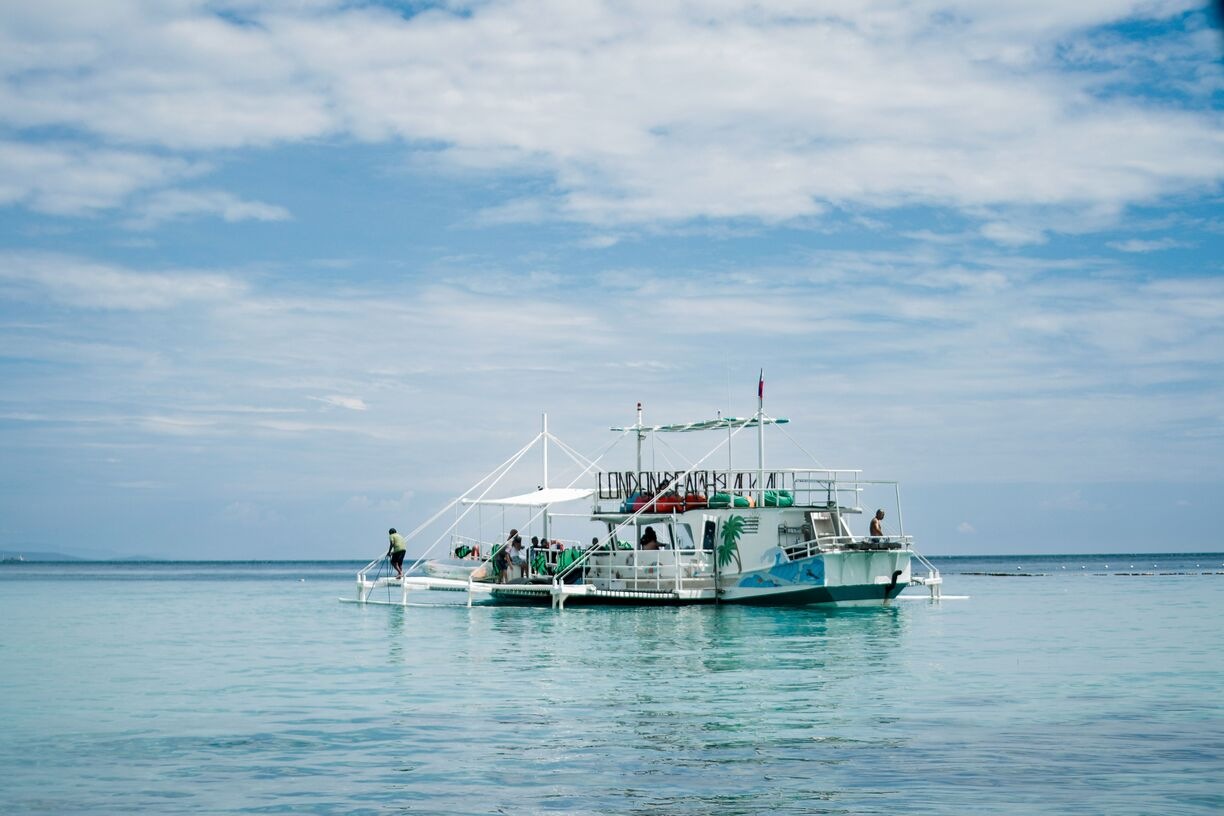 Most people travel here simply to sit on the sand and read a book. However, there are plenty of easy activities to fill your days if you get restless.
Island hopping boat tours are incredibly popular and easy to book. These trips usually last about four to five hours. A motorized outrigger boat takes a group of passengers to smaller neighboring beaches, coral reef snorkeling spots, and sometimes a nearby cliff-jumping platform. The tours almost always include a basic local buffet lunch served on a quiet beach.
For a shorter, more relaxing activity, parasailing is highly recommended. These are traditional, locally built wooden outrigger boats powered entirely by the wind catching their large sails. They do not have loud engines, making the ride completely silent and peaceful. The boats have large woven nets strung between the wooden outriggers. You sit or lie down on these nets directly over the rushing water. Booking a one-hour trip just before sunset is a classic, essential island experience. You can easily negotiate directly with boatmen walking along the beach path to arrange a trip for the evening.
Other very common and cheap activities include paddleboarding and clear-kayak rentals. Local guides stand along the shoreline offering these rentals by the hour. They will also happily paddle out with you and take highly stylized, creative photos of you sitting in the clear kayak from above. You just need to offer a small tip for their photography skills.
Food, Dining Costs, and Local Eats
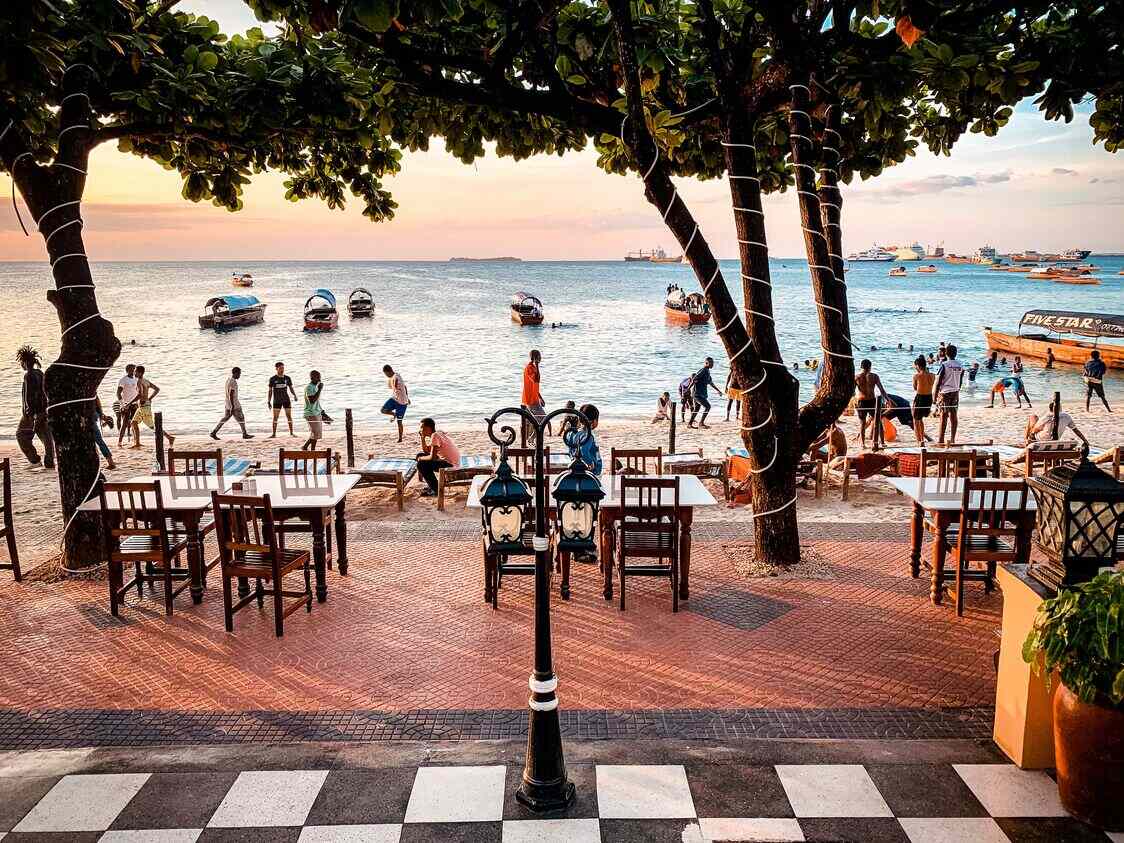 You can spend as much or as little as you want on food. The island caters to absolutely every budget.
High-end dining is mostly found in the northern luxury resorts. A dinner here can easily cost the same as a nice meal in a major Western city. You are paying for the quiet atmosphere, excellent service, and imported ingredients.
The central shopping plazas offer mid-range, familiar options. You will find Korean barbecue spots, Italian pizza ovens, American burger joints, and popular traditional Filipino chain restaurants. Prices here are standard tourist rates.
If you are on a strict budget, walk away from the beach. Look for small local stalls located along the inland main road. These small eateries, known locally as carinderias, offer pre-cooked dishes displayed in metal pots. You point to the pork or chicken dish you want, and it is served hot over a large plate of rice. You can eat a filling, authentic local meal for a fraction of the cost of a beachside restaurant.
While visiting, be sure to try a chori burger. This is a local street food staple made of sweet, spicy chorizo sausage grilled and served on a sweet bun. You should also find a bakery selling calamansi muffins, a dense cake flavored with the local citrus fruit.
Practical Tips: Rules, Money, and Packing
The local government enforces strict environmental rules to protect the island. Drinking alcohol directly on the sand is illegal. You must consume your drinks inside a bar or restaurant. Smoking on the beach is also strictly prohibited, and you will be fined if caught. Single-use plastics are banned across the island, so hotels will not provide small plastic water bottles. Bring a reusable water bottle to refill at your hotel.
Cash is still heavily used. While large hotels and major restaurants accept credit cards, you need cash for tricycles, small vendors, and local eateries. There are many ATMs located in the central shopping plazas. However, they occasionally run out of cash during busy holiday weekends, so it is wise to withdraw extra money when you arrive.
The dress code on the island is extremely casual. You do not need formal clothing. Lightweight, breathable fabrics are essential due to the humidity. Shorts, t-shirts, sundresses, and swimwear are acceptable almost everywhere during the day. Some higher-end hotel restaurants might require men to wear shirts with sleeves and closed-toe shoes at dinner. Otherwise, flip-flops or comfortable walking sandals are all you need. Expensive leather shoes or high heels are useless in the sand.
Bring a waterproof dry bag. Since you travel by boat from the airport port to the island, your luggage might get splashed with saltwater. A small dry bag is also highly useful for holding your phone and paper money while you are on boat tours or walking near the water.
Sun protection is critical. The bright sun reflects heavily off the white sand and the clear water, greatly increasing the chance of sunburn. Bring high-quality sunscreen, sunglasses, and a wide hat from home. Buying sunscreen on the island is very easy, but it is much more expensive than buying it at your local grocery store before your flight.
Conclusion
The island genuinely offers something for almost every type of traveler. Choosing the right neighborhood sets the tone for your entire vacation. If you want luxury and a quiet shoreline, head to the north. If you want unmatched convenience and busy nightlife, stay right in the center. If you are watching your budget and prefer a relaxed, quiet vibe, look toward the south. Plan your airport transfers carefully, understand the seasonal wind patterns, and respect the local environmental rules, and you will have a highly successful and stress-free trip.