Travel guide
Where is Mount Kailash located?
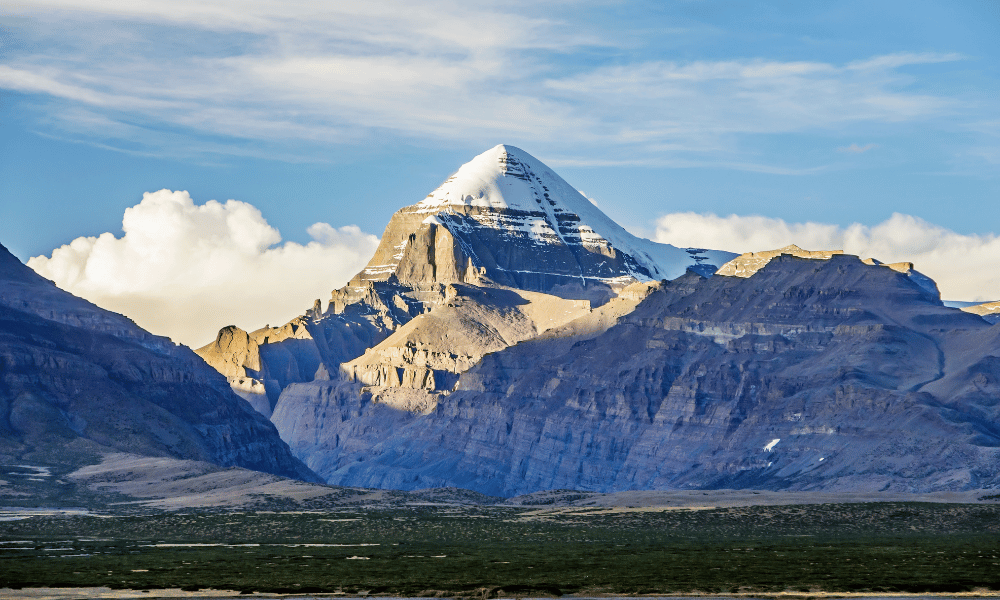
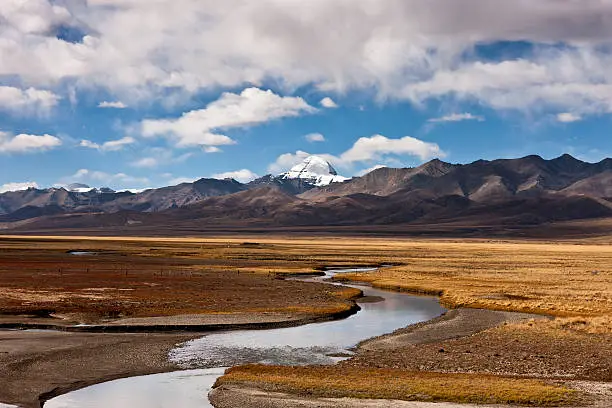
Mount Kailash is in the Ngari Prefecture of Tibet (China), just north of Nepal and east of India. If you look at a map, it’s way up on the Tibetan Plateau. Even though it’s in China, it is very close to Nepal. The area is cold and high in the mountains.
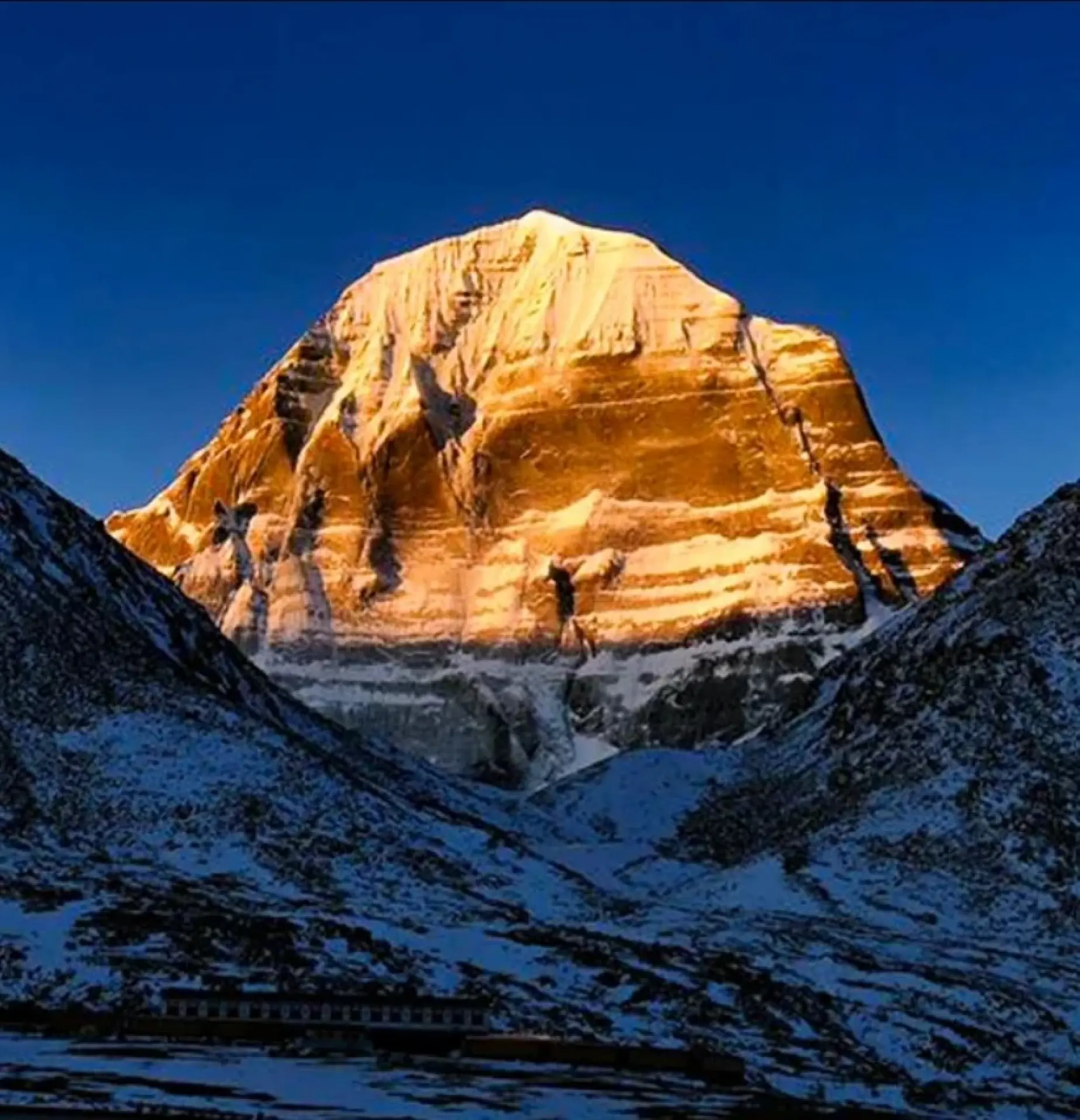
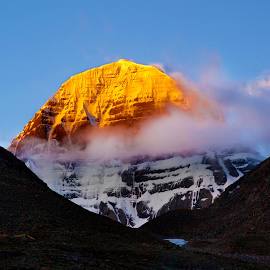
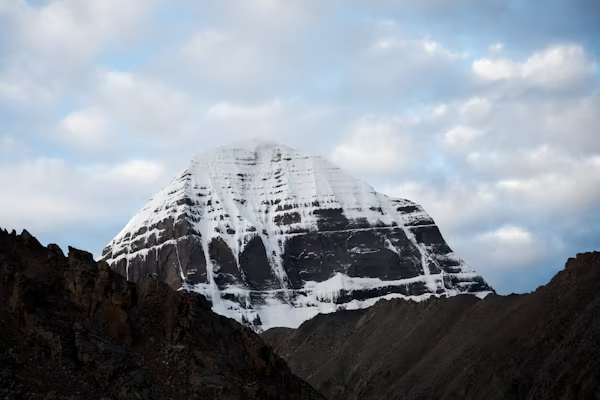
Pilgrims say the mountain is the axis of the world, a sacred center of the universe. People from Nepal, India, Tibet and beyond consider it holy. Have you ever seen a place that looks like the house of a god?
How to Reach Kailash from Nepal?
The journey from Nepal starts in Kathmandu. Pilgrims first get permits and visas in Kathmandu, then travel north. One popular overland route is by road through the Rasuwagadhi–Kerung border.
From Kathmandu you take a long drive up through Nepal’s mountains to Rasuwagadhi, cross the bridge into Tibet (Kerung), and then drive across the plateau through towns like Saga to Darchen.
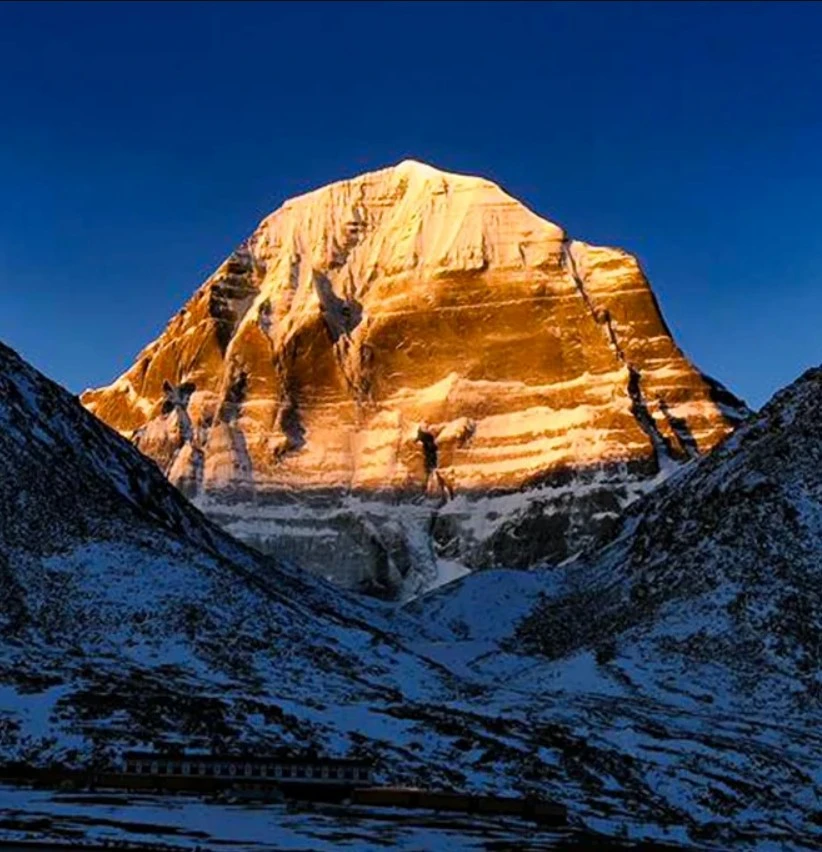
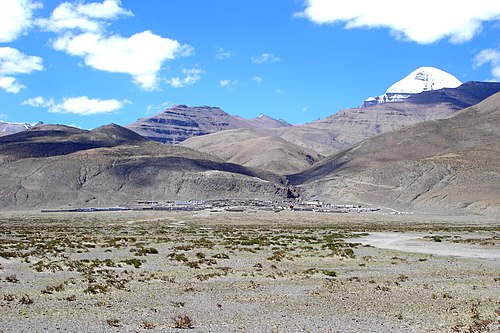
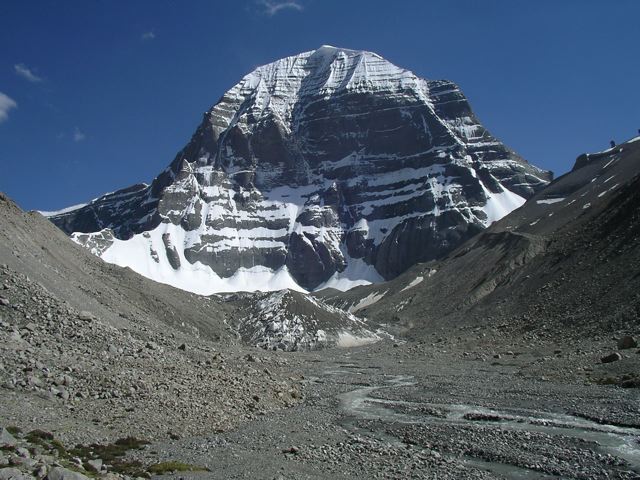
Darchen is a tiny Tibetan village at the foot of Kailash (shown above). It’s the base camp for the pilgrimage. From Darchen, you begin the 52 km Kailash Parikrama trek around the mountain.
Many travelers first cross into Tibet at Kerung (Gyirong), then drive to Saga and Darchen. The picture above shows Darchen with Mount Kailash towering behind it. Another route, often called the “Hilsa–Purang route”, uses helicopter and flight.
Pilgrims fly Kathmandu→Nepalgunj→Simikot (a remote airstrip) and then helicopter or walk to Hilsa on the Nepal–Tibet border. Across the border at Purang (also called Taklakot), the road joins the Saga–Darchen route.
In 2023 the Rasuwagadhi–Kerung road was reopened for tourism, making this overland route officially available. (Before this, only the Hilsa route or flights through Lhasa were possible.) So from Nepal you can either drive all the way or mix road, flight and helicopter. Ready to plan your adventure?
-
Kerung Route (Overland): Kathmandu → Rasuwagadhi (Nepal border) → Kerung (China) → Saga → Lake Mansarovar → Darchen.
-
Hilsa (Heli) Route: Kathmandu → Nepalgunj → Simikot (plane), then by helicopter or on foot to Hilsa (Nepal) → cross to Purang (Taklakot, China) → Lake Mansarovar → Darchen.
-
Kathmandu–Lhasa Route: Fly Kathmandu→Lhasa, then drive west to Saga, Mansarovar and Darchen (not common when coming from Nepal, but an option).
Each way meets in Darchen. Pilgrims often arrive in Darchen a few days before starting the trek, to rest and acclimatize. Darchen is very basic – a few lodges or hotels – but has shops for last-minute supplies.
When to visit Kailash Mansarovar Trek?
The Yatra season runs roughly from mid-May to mid-September each year. In these months the passes are mostly free of heavy snow, and the pilgrim facilities are open. June and July are warmest and usually have clear skies – the mountain reflects perfectly in Lake Mansarovar – but they coincide with Nepal’s monsoon, so the lower highways can be wet or slippery.
August still works but has heavy pilgrimage traffic. September (early) offers clear, cool weather with fewer people. Late September onward it gets very cold (below 0°C) and the route closes.
Many pilgrims also choose dates by the full moon or festivals. For example, Buddha Purnima (May/June) and Guru Purnima (July) often fall during the Yatra season. Raksha Bandhan (August) often coincides with a full moon.
On a full moon night, pilgrims believe the divine energy is strongest (see below). Wouldn’t it be magical to camp under a full moon by the holy lake?
Kailash Parikrama: Significance and Itinerary
The heart of the Yatra is the Parikrama, the circumambulation of Mount Kailash. Pilgrims walk clockwise all the way around the mountain – about 52 kilometers in total – usually over three days.
Doing this kora (Kailash-mÃn parikrama) is believed to cleanse one’s past karma and bring blessings. Devotees say that the sacred energy of the mountain is strongest on this trail.
The trek itinerary is roughly:
-
Day 1: Darchen → Dirapuk Monastery. (Distance ~8–10 km.) From Darchen you walk to Dirapuk Gompa. Here you see the north face of Kailash and a high-altitude lake (Gauri Kund). Pilgrims often camp or stay at the small guesthouse near Dirapuk.
-
Day 2: Dirapuk → Dolma La Pass → Zuthulpuk Gompa. (Distance ~18 km.) This is the hardest day. You climb steeply to Dolma La (Dolma Pass) at 5,630 meters, the highest point of the trek. At the pass people offer prayers and leave stones or prayer flags. Then you descend to the eastern side of Kailash, reaching Zuthulpuk Monastery by evening. Zuthulpuk is famous as the place where sages performed penance.
-
Day 3: Zuthulpuk → Darchen. (Distance ~19 km.) You continue downhill, completing the circle back to Darchen. Many pilgrims stop at Zuthulpuk in the morning for final prayers, then finish the trek.
Many trek with great devotion – some even prostrate all the way in front of the mountain, as shown above. Walking around Kailash is very hard at that altitude, but it is considered one of the most powerful parts of the Yatra.
Pilgrims believe the lake Mansarovar (whom they dip in or collect water from) was created by Brahma and washes away sins. They often chant prayers (e.g. “Om Namah Shivaya”) and leave personal prayer flags along the trail.
By finishing this trek around the world’s most sacred mountain, believers say they complete an ancient spiritual quest. How would you feel walking around a mountain with so much meaning?
Special Importance of the Full Moon
Pilgrims often time their Yatra so that they perform the Parikrama on or near a full moon (Purnima). For Hindus, the full moon night is especially sacred for Shiva. Many devotees believe Shiva’s power is strongest on a full moon, so taking a holy bath in Lake Mansarovar under moonlight can purify the soul and erase sins.
The shine of the full moon on Kailash and the lake creates a magical, spiritual atmosphere that touches the heart of pilgrims.
In Buddhism, too, full moons have special meaning. The Saga Dawa festival (around Buddha’s birthday) falls on a full moon in May/June. During Saga Dawa thousands of Buddhists visit Kailash and Mansarovar to pray, light lamps, and do parikrama.
They honor their teachers and Buddha under the moon’s light. Even Jain and Bon followers attach deep significance to the full moon at Kailash, seeking blessings and clarity on those nights. Seeing the full moon over Lake Mansarovar and Kailash is an unforgettable, peaceful experience that many pilgrims cherish.
Fitness and Health
The Kailash Yatra involves very high altitudes (mostly 4,500–5,600 meters) and long days of walking or driving. The oxygen level is low, so your body will feel very light and tired. Common altitude sickness symptoms include headache, nausea, dizziness and fatigue.
The trek is considered moderate to challenging: you don’t need mountaineering skills, but you do need good stamina and experience walking in mountains. It’s very important to train beforehand with cardio exercise (like hiking, running or swimming).
Pilgrims should be in good shape and acclimatize slowly. Tours usually schedule rest days and hike gradually. Most operators recommend an age range of about 18 to 70 years old.
Very young children or frail elders generally do not attempt it. You should also have a doctor’s note or fitness certificate if you have any medical issues (some agencies even require a doctor’s letter for older travelers).
Bring any personal medications you need, and be ready to walk 5–8 hours per day in cold weather. Do you jog, bike or climb hills to stay fit? That kind of training helps a lot for this trip.
Official Route and Permits
Nepal now has an official overland route to Mount Kailash. In March 2023 the Rasuwagadhi–Kerung border reopened for tourism.
So the official overland itinerary (by road) is: Kathmandu → Rasuwagadhi (Nepal) → Kerung (China) → Saga → Mansarovar Lake → Darchen (Mount Kailash base). Along this drive you cross the Tibetan Plateau on paved roads. If flying is an option, you can instead fly Kathmandu→Lhasa and then drive west, but that is a different route.
Another “official” entry is at Hilsa–Purang: pilgrims coming via Simikot use Nepal’s Hilsa (west Nepal) border and enter Tibet at Purang (Taklakot).
Both entry points are legal for foreign Yatris. Once in Tibet, only authorized guides and vehicles can be used. Independent travel is not permitted. Local Tibet authorities require permits and a Chinese visa for all pilgrims:
-
Chinese Group Visa: All travelers must enter Tibet with a special Chinese group visa (arranged in Kathmandu before departure). Your Nepal tour operator usually submits passports and papers to the Chinese embassy, and a group visa (a paper visa listing everyone in the tour) is issued in Kathmandu. Everyone on the tour must enter and leave China together on this visa.
-
Tibet Travel Permit (TTP): In addition to the visa, a Tibet Travel Permit is needed. The tour operator applies for this through a Tibetan agency. This permit lets you travel within Tibet.
-
Local Permits: Inside Tibet, there are restricted zones. Pilgrims need extra permits: an Alien Travel Permit for Saga County, a Kailash Special Permit (for the Darchen/Mansarovar area), and a Military Permit for the Hilsa–Purang border region. The operator will arrange these for you before the trip.
Nepal Visa: Most international visitors get a Nepal entry visa on arrival at Kathmandu airport. Indian citizens do not need a Nepal visa, but must carry valid ID (passport or voter ID).
Cost and Expenses
A guided Kailash Mansarovar tour from Nepal typically costs around USD 3,100 per person (about INR 248,000 for Indian pilgrims). This “package” price usually includes: Kathmandu hotel (at start), most meals on the trek, accommodation on the route (shared rooms/tents), the Nepal guide, the Tibetan guide/driver, and all Tibet permits.
It also covers sights and transport (road or flight as chosen) from Kathmandu to Darchen and back. The exact price can change if you fly part of the way or use private vehicles.
Exclusions (Your personal costs): International flights (to/from Kathmandu), Nepal entry visa fee (if any), and travel insurance are not included. Tips/gratuities for guides and porters are also extra. In the mountains, you’ll have personal expenses like bottled water, hot drinks, or battery charges – these are not covered.
The tour price also excludes alcoholic beverages, optional meals in hotels, and any optional activities. For budgeting, plan a few hundred USD extra per person for these incidentals.
To sum up: Budget about $3,100 (≈₹2.5 lakh) per person, plus extra for flights, Nepal visa, tips and snacks. That is a lot of money, but remember it includes guides, permits, and 12–15 days of travel in a very remote area. Many pilgrims find it worthwhile for this once-in-a-lifetime journey.
Accommodation
Accommodations on the Kailash mansarovar Yatra are very basic. Before and after the trek, you’ll stay in simple hotels or guesthouses:
-
Kathmandu: Comfortable 3-star hotel (before departure).
-
Darchen (Mount Kailash base): The best “hotels” in the region are still very modest. There are a few 3-4 star lodges (e.g. Himalaya Kailash Hotel) with private bathrooms and warm bedstibettour.org, but most places are simple. Overall they provide only basic amenities like beds, simple meals and maybe heaters in wintertibettour.org.
-
Along the Trek: During the 3-day parikrama, you stay in monastery guesthouses or “tea houses.” These are very rudimentary lodgings (often three beds sharing a room, squat toilets, cold showers or no showers)tibettour.org. For example, Dirapuk Gompa and Zuthulpuk Gompa each have a basic hut or guesthouse. These are the warmest and most protected options on the trail. On very high or exposed parts (like Dolma La Pass) your group sleeps in sturdy tents provided by the operator.
In short, don’t expect luxury. Think of it as an adventurous camping/trekking trip. You will carry only essentials for the walk, and outside of Kathmandu mostly stay in dormitory-style dorms or tents. It can be cold at night, so all operators provide blankets or sleeping bags in lodges (bring your own if you’re picky). Embrace the simplicity – you’re here for the sacred journey, not five-star comfort!
Age Limits and Fitness Certificates
There is no formal age limit, but due to the high altitudes the trek is generally suitable for pilgrims 18 to 70 years old. Children under 18 rarely come, and over 70 you must be in very good health to manage the strain. Everyone must be truly healthy: heart or lung problems can be very dangerous up here.
Travel companies strongly advise a medical checkup before you go. Many operators even ask for a doctor’s note (fitness certificate) from older travelers or anyone with medical issues.
So if you plan to go: exercise first! Start hiking or jogging weeks in advance. Having experience on simpler treks (like in Nepal’s Everest or Annapurna region) helps a lot. Be prepared to show your passport with blank visa pages, and carry a medical certificate if you have any conditions. The journey is tough, but with good preparation and health precautions, many people complete it safely.
Required Documents and Visa Process
Passport & Chinese Visa: All foreign pilgrims (including Nepalis and Indians) must enter Tibet via a Chinese visa. Nepal tour operators use a Chinese group visa system. In Kathmandu you’ll submit your passport, photos and a filled application to the Chinese Visa Center. You may even need fingerprints in Kathmandu as part of this group visa process.
The visa comes back in 2–3 days. It is a single-entry paper visa that lets you enter China from Nepal and must be used by everyone together.
Tibet and Local Permits: The group visa alone isn’t enough. You also need several Tibet permits. The Tibet Travel Permit (TTP) is essential and is arranged by the tour guide through the Tibet Tourism Bureau.
Additionally, Alien Travel Permits (for Saga County), Kailash Permits (for Darchen/Mansarovar), and Military Permits (for Hilsa–Purang areas) are required. Your operator will handle all these. You must carry the original permits with you on the trip, as they will be checked at checkpoints en route.
Nepal Entry: Most pilgrims arrive in Kathmandu first. If you are not Nepali or Indian, you can get a Nepal tourist visa on arrival at the airport (for most nationalities).
Indians do not need a visa to enter Nepal, but should carry a valid passport or voter ID. Make sure your passport has at least 6 months validity and a couple of blank pages. You will hand over your passport for visa processing in Kathmandu, so bring photocopies and ID.
Packing List
Packing well is key. You need gear for cold weather and some simple comforts. Here are the essentials:
-
Clothing: Layering is vital. Pack warm base layers (thermal underwear), a fleece or sweater, and a warm down jacket or parka. Bring windproof and waterproof pants/jacket as well. Gloves, a woolen hat/beanie, and a scarf or buff for your face will help with the cold and wind.
-
Footwear: Sturdy broken-in hiking boots with good ankle support. Bring 2–3 pairs of warm, moisture-wicking socks. A pair of sandals or flip-flops can be handy for lodges.
-
Accessories: UV-blocking sunglasses (the sun at high altitude is strong) and high-SPF sunscreen for face and lips. Don’t forget a headlamp/flashlight (with spare batteries) for the camps and nighttime toilets. A reusable water bottle or hydration bladder (total ≥2 liters) and water purification tablets are a must to stay hydrated.
-
Sleep gear: A good sleeping bag rated to at least –10°C (the lodges can be cold at night) and an inflatable sleeping pad for insulation. Some tours may provide blankets or a liner, but it’s wise to have your own.
-
Personal kit: Basic toiletries (toothbrush/paste, soap, quick-dry towel), personal medicines (aspirin, Diamox for altitude if needed), lip balm, and extra underwear. You’ll want hand warmers or socks to pop in your sleeping bag.
-
Electronics and documents: Camera or phone with charger, plus portable power bank (electricity can be very scarce on the trek). A small dry bag or ziplock for your passport, important papers, and any holy water you collect. Cash (USD and some INR/NP rupees) for minor purchases or tips. (Tip: Nepal and Tibet do not have ATMs in these remote areas, so carry enough cash.)
-
Spiritual items: If you have a prayer flag, yak wool rug, prayer beads (mala), or small idol, you can bring them to place at shrines on the route. A small container to collect Mansarovar water (often provided by tours) can serve as a holy souvenir. Also bring a notebook/pen if you like to jot your experiences.
-
Miscellaneous: Sunscreen, insect repellent (for Kathmandu), personal snacks or energy bars, and a small first-aid kit.
In summary, warm clothes and water are most important. Keep your pack light – you will often carry it yourself or share with a porter. Pack as if it’s both a spiritual retreat and a mountain trek. Are you getting a checklist ready?
Questions to You
-
Have you ever wondered what you would say if you saw the holy peak of Kailash for the first time?
-
Would you want to plan your trip for a full moon night at Mansarovar?
-
What kind of training would you do before climbing the stairs of the world?