Navigation
Vietnam Visa & Travel Requirements: E-Visa, Safety & What to Know Before You Go
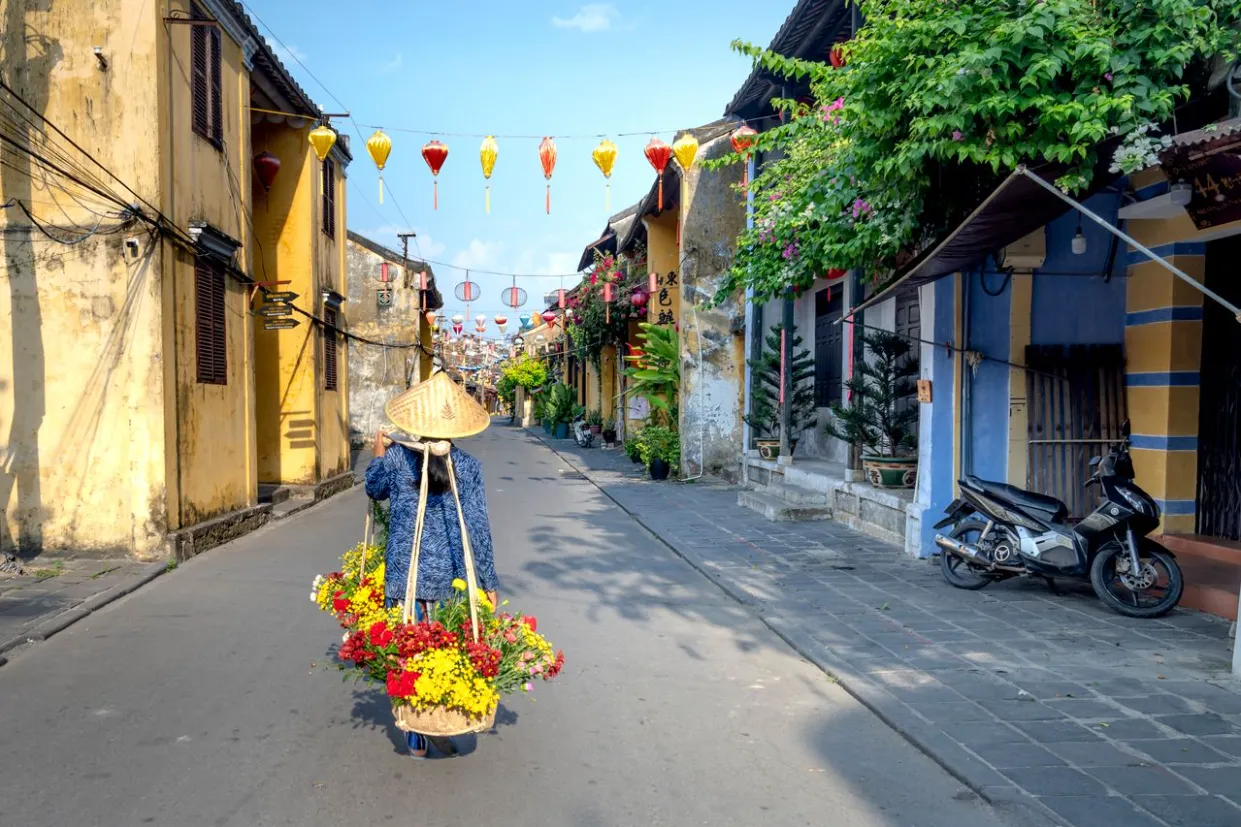

Vietnam's entry requirements depend on your passport, how long you plan to stay, and the purpose of your trip. Some travellers can enter without a visa, while others need to arrange an e-visa before travelling.
For most short-term visitors who need a visa, Vietnam's electronic visa system is the simplest option. An e-visa can be valid for up to 90 days with either single or multiple entry. However, you still need to get the dates, passport details, and planned route right before you travel.
This guide covers the requirements most likely to affect a normal leisure trip: visa status, e-visa processing, entry checks, and safety and health preparation.
Requirements last checked: 29 September 2026. Entry rules can change, so confirm the latest information from official Vietnamese sources before departure.
Do You Need a Visa for Vietnam?

That mainly depends on your passport and how long you plan to stay.
Vietnam currently has several visa-exemption arrangements. Citizens of some countries can stay for up to 45 days without a visa under current government schemes, while other exemptions and bilateral agreements have different conditions.
Because the rules vary by nationality, it is better to confirm the requirement for your passport through Vietnamese immigration or the Vietnamese embassy or consulate responsible for your country rather than relying on an old country list from a travel guide.
If your passport is not covered by a suitable exemption, Vietnam's e-visa system is available to citizens of all countries and territories, subject to normal immigration requirements.
If you plan to work, study, or stay longer than a normal tourist visit allows, check which visa category applies to your trip instead of assuming a tourist e-visa will be enough.
How the Vietnam E-Visa Works
A Vietnam e-visa can be valid for up to 90 days and can be issued for either single or multiple entry. The current government fee is USD 25 for a single-entry e-visa and USD 50 for a multiple-entry e-visa. The fee is non-refundable if your application is refused.
The difference between single and multiple entry matters if Vietnam is only one part of a wider Southeast Asia trip.
If you enter Vietnam, stay within the country, and leave once at the end of your trip, a single-entry visa may be enough.
But if you enter Vietnam, travel to Cambodia, Laos, Thailand, or another country, and then return to Vietnam, make sure your visa allows multiple entries.
There is no need to choose multiple entries simply for extra flexibility. But before choosing single entry, look at the route you are actually planning.
E-visa holders need to enter and leave through the points permitted by their visa. Check these carefully when applying, especially if you plan to enter Vietnam overland rather than through a major international airport.
Vietnam E-Visa Processing Time: When Should You Apply?
The Vietnamese government's published processing time is no more than three working days after it receives your complete application and visa fee.
The important part is working days.
Weekends and Vietnamese public holidays can make the actual wait longer in calendar days. Applications may also take more time if something needs to be corrected or immigration asks for additional information.
So, three working days should not be treated as a reason to apply only three days before your flight.
If your flights are already fixed, it is safer to apply at least one to two weeks before departure where possible. This is practical travel advice rather than an immigration rule, but it gives you more time to deal with corrections or unexpected delays.
At the same time, make sure the visa dates you request match your travel plans. An e-visa being valid for up to 90 days does not mean every visa is automatically issued for the full 90 days.
How to Apply and Avoid Common E-Visa Problems
Apply through Vietnam's Immigration Department e-visa system. The current government domains are evisa.gov.vn and thithucdientu.gov.vn.
This is worth paying attention to because search results also contain private visa agencies and websites that can look official. Using an agency is a separate paid service. You do not need one to access the normal government e-visa application.
The application requires your passport details, a portrait photograph, and an image of your passport's identity page. You will also need to provide the required travel information and pay the visa fee online.
Enter everything exactly as it appears on your passport. Before submitting, double-check your full name, passport number, nationality, date of birth, requested visa dates, and travel details.
Even a small error can cause problems later when an airline or immigration officer compares the visa with your passport.
Save your application or registration code after submitting the form. You may need it to follow the application and download your visa.
What to Do After You Apply
Do not rely only on receiving an email.
You can follow your application through the immigration portal, which may also show if any information needs to be updated or corrected.
If the application is taking longer than expected, count the waiting period in working days rather than calendar days.
If immigration asks you to correct something, make the changes through the same application system. Be cautious about immediately paying a website advertising an "urgent" visa simply because your application has not yet been approved. Third-party visa services are separate from the Vietnamese government system.
Check Your E-Visa as Soon as It Is Approved
Once your visa is approved, read through it carefully.
Make sure:
- your full name and passport number are correct
- the validity dates cover your trip
- the visa shows the correct single or multiple-entry status
- the information matches the passport you will use
- your planned entry route is compatible with the visa
Current Australian government travel advice also recommends checking visa details both when applying and after the visa is issued, as mistakes can cause problems at check-in or when entering Vietnam.
Keep an offline copy of the approved visa and consider carrying a printed copy as well. That way, you are not relying on internet access during airline check-in or immigration.
Vietnam Entry Requirements to Check Before You Fly
Your visa is only one part of being ready to enter Vietnam.
Check your passport expiry date well before the trip. A practical rule is to have at least six months of validity remaining when you enter Vietnam. If your passport is close to expiring, confirm the exact requirement that applies to your nationality before booking.
If you applied for an e-visa, travel with the same passport used for the application. This is particularly important for dual nationals or anyone who renews a passport after receiving the visa.
Vietnam began piloting its Pre-arrival Information (PAI) system for foreign visitors in 2026, with a wider rollout planned. Because its use is still developing, confirm whether the system applies to your arrival point shortly before travelling.
Health declarations are another area where older information can cause confusion. Vietnam's Ministry of Health clarified in June 2026 that the new health-declaration framework does not mean every arriving, departing, or transiting passenger must routinely complete a health declaration.
Instead, health declarations and related requirements can be introduced in response to specific public health risks.
This is one of the reasons it is worth reviewing current immigration, airline, and health requirements shortly before departure rather than relying only on information you found when booking the trip.
Safety and Health: What Should You Know Before Going?
Is Vietnam Safe for Tourists?
Vietnam is generally suitable for normal tourism with the usual travel precautions. As of September 2026, both the U.S. State Department and Australia's Smartraveller place Vietnam at their normal-precautions level.
Everyday travel risks still exist.
Petty theft and bag snatching can happen, particularly in busy tourist areas and larger cities. Taxi, card, and other tourist scams are also reported.
For most travellers, these are risks to manage with normal precautions rather than reasons to avoid the trip. Keep your phone and bags secure near busy roads, check your transport before getting in, pay attention when using your card, and use reputable companies when booking tours or transfers.
Road traffic is another risk worth taking seriously. If you plan to ride a motorbike, do not assume that being able to rent one means you are legally allowed to ride it or that your travel insurance will cover you. Licensing and insurance rules should be checked separately before riding.
Do You Need Vaccinations for Vietnam?
There is no single vaccination list that applies to every traveller.
The main distinction is between vaccinations required for entry and vaccinations recommended for your health.
Vietnam does not currently require every visitor to routinely provide vaccination documents on arrival. However, health declarations or related documentation can be introduced in response to specific public health risks.
Health recommendations depend on your own circumstances, including your vaccination history, where you are travelling, how long you will stay, and what you plan to do.
The U.S. CDC currently advises travelers to be up-to-date with routine vaccines and provides additional recommendations for Vietnam depending on individual circumstances. These may include hepatitis A and B, typhoid, Japanese encephalitis, and rabies. Malaria advice also varies by location.
If you may need travel vaccinations or medication, speak with a doctor or travel-health professional early enough for any recommended treatment or vaccine doses to take effect.
Check the Requirements Again Before You Travel
Before travelling, confirm whether your passport requires a visa, leave enough time for the application, and check every detail once it is approved.
Recheck the latest entry and health requirements shortly before departure, especially as Vietnam's digital arrival procedures are still developing.