Navigation
Should You Rent a Motorbike in Vietnam? What You Need to Know
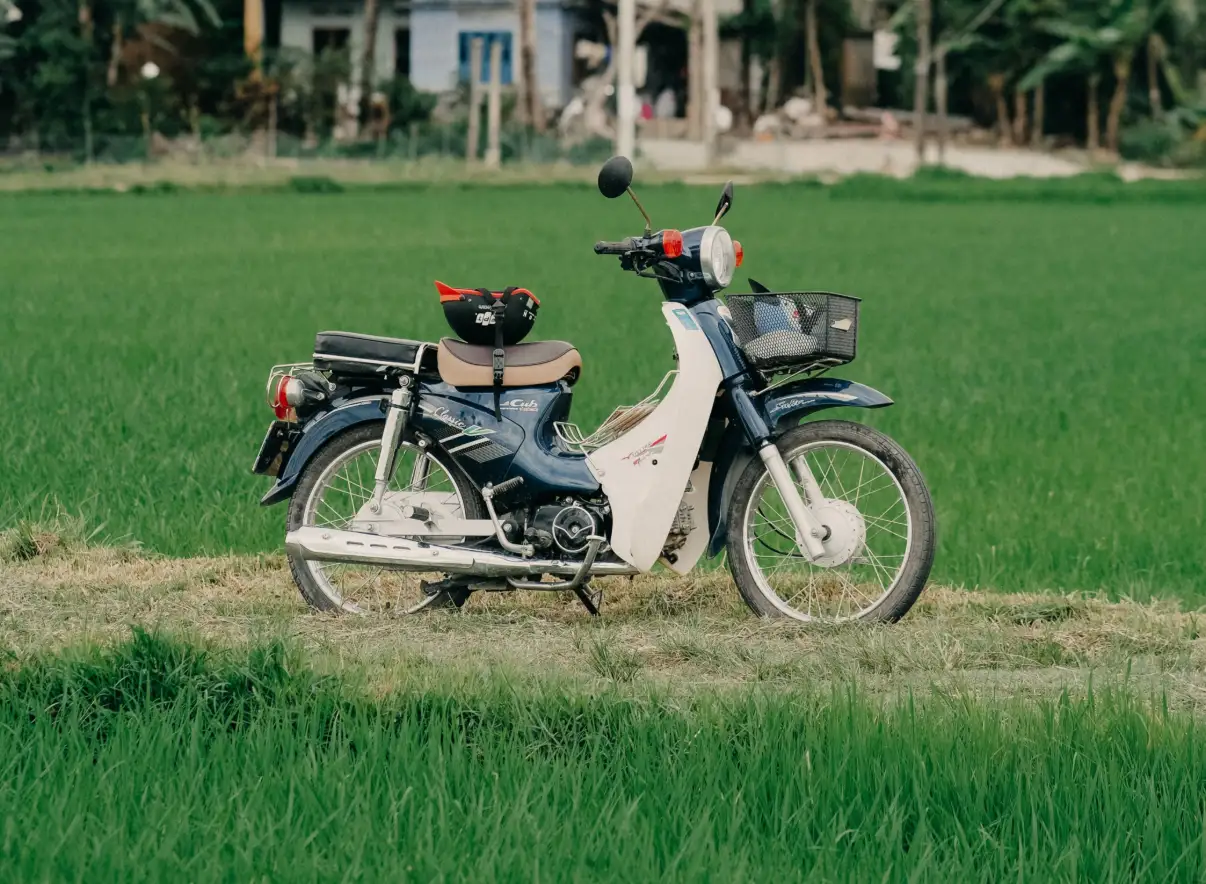

Renting a motorbike gives you more freedom to explore Vietnam. But just because you can rent one does not mean you are legally allowed to ride it, properly insured or ready for the road conditions.
To rent a motorbike in Vietnam legally, you need the right licence, the right insurance and honest riding experience. Cash and a passport are not enough.
Before renting, answer three questions:
- Are you legally allowed to ride the bike?
- Does your insurance cover you?
- Do you have enough riding experience for the conditions?
Key Highlights
- Australian and US licences and IDPs are not accepted for riding in Vietnam, while UK riders can use the 1968 IDP.
- Being legally allowed to ride does not mean your travel insurance covers you, so check your policy before booking.
- Bikes advertised as 50cc are not automatically licence free, because the legal moped definition also limits speed.
- Check registration, compulsory insurance, helmet and brakes, photograph existing damage and never use your passport as a deposit.
Can You Legally Ride a Motorbike in Vietnam?
Foreign visitors can legally ride in Vietnam in some situations, but the rules are not the same for everyone. Under Vietnam’s current road-traffic law, one recognised option is to carry both:
- a valid International Driving Permit (IDP) issued by a country that is part of the 1968 Vienna Convention on Road Traffic, and
- the corresponding valid national driving licence for the type of vehicle you are riding.
Both documents must cover the vehicle you plan to ride. An IDP does not allow you to ride a motorcycle if your home licence only covers cars.
Vietnamese law also recognises some foreign licences through other international agreements, so the requirements depend on where your licence was issued.
That is why advice such as “just get an international licence” can mislead you. The type of IDP, the issuing country, your original licence and the bike itself all affect whether you are properly licensed.
It also helps to separate rental policy from road law. A shop may hand over a bike without reviewing your documents, but that does not prove you are legally allowed to ride it on public roads. Riding without the correct licence can lead to penalties and bigger problems after an accident.
Licence rules also sit alongside other Vietnam travel requirements, such as visas and safety guidance, so check them together before you go.
Does Your Licence, IDP or Nationality Change the Answer?
Yes, and this is one of the most confusing parts of motorbike rental in Vietnam. Countries do not all follow the same international driving-permit system.
For Example:
- Current Australian government advice says Australian licences and Australian-issued IDPs are not accepted for riding a motorbike in Vietnam. Australians need a Vietnamese licence to ride a bike of 50cc or more, and converting a licence comes with residency requirements that most short-term tourists will not meet.
- Current US State Department guidance says US licences and US-issued IDPs do not work in Vietnam, and warns that riding without the required Vietnamese licence is illegal.
- Current UK government guidance says travellers can drive a car or motorbike in Vietnam with the 1968 version of an IDP together with the appropriate UK licence.
So when another traveller says, “My IDP worked in Vietnam,” it tells you very little about your own situation.
Before renting, confirm:
- whether your country issues an IDP recognised in Vietnam
- whether you have the correct version of the IDP
- whether your original licence includes motorcycle entitlement
- whether that entitlement covers the bike you plan to ride
Do not rely only on the rental shop for this information.
Does the Motorbike Type Matter?
Yes, licence requirements can also depend on the vehicle. Vietnam’s domestic licence categories separate two-wheeled motorcycles up to 125cc or 11kW (A1) from motorcycles above those limits (category A).
The practical point for visitors is to check the actual engine capacity or power of the bike instead of assuming every scooter falls under the same category. A small automatic scooter and a larger motorcycle may have different licensing requirements.
What About Motorbikes Under 50cc?
You may hear that anything under 50cc can be ridden without a licence in Vietnam. That is not the full picture.
Vietnamese law has a specific moped category. A petrol moped must have an engine of no more than 50cc and a maximum design speed of no more than 50km/h. An electric moped must have a motor of no more than 4kW.
If a vehicle meets the legal definition of a moped, the rider is exempt from the normal driving-licence requirement. Other conditions, including minimum age and riding competence, still apply. A bike simply advertised as “50cc” does not settle the issue.
Insurance is a separate matter. Even if you do not need a Vietnamese licence for a particular vehicle, your insurer may still set its own conditions for motorcycle or scooter riding.
Will Your Travel Insurance Cover You?
Being properly licensed does not automatically mean your travel insurance covers you. Cover may depend on:
- whether you hold the correct motorcycle licence at home
- whether you meet Vietnamese licensing requirements
- the engine size or type of bike
- whether motorcycle riding is included in your policy
- whether you wear a helmet
- whether alcohol or another exclusion is involved
Government travel advice for both Australian and US travellers warns that riding without the correct licence can affect insurance claims.
Review your policy for the exact type of bike you plan to ride. If the wording is unclear, contact your insurer before you travel and keep their reply in writing.
Being legal to ride and being insured to ride are not the same thing.
Rental Insurance Is Not the Same as Travel Insurance
The word “insurance” can mean several different things. Vietnamese road law requires motor vehicles to carry compulsory civil-liability insurance, but this is not your personal travel insurance.
Depending on the rental company and your own policy, different cover may apply to:
- injury or medical treatment for you
- medical evacuation
- liability for injury or damage caused to someone else
- damage to the rented bike
- theft of the rented bike
One policy or certificate may not cover all of these. Find out what comes with the rental and compare it with your travel insurance to spot gaps before you ride.
Are You Experienced Enough to Ride in Vietnam?
Having the right documents does not necessarily mean self-riding is a good idea.
Vietnam’s larger cities can be hard on riders who are not used to the traffic. Expect dense flows of motorbikes, frequent lane changes, busy junctions and driving habits that feel very different from home. If you are staying in a congested area such as Hanoi’s Old Quarter, you will meet this traffic on day one.
Australian government advice warns about crowded streets, poor road and vehicle maintenance and inconsistent compliance with traffic rules. It also recommends avoiding riding if you are unfamiliar with local conditions.
Rural roads are not always easier. Mountain and countryside routes can have sharp bends, steep sections, uneven surfaces, rain, poor visibility and limited lighting, and help may be far away. Weather matters too, so check the best time to visit Vietnam for the region you plan to ride.
What matters is whether your riding experience matches the roads you will use. If you already ride regularly and confidently, you may adapt easily. If you have only ridden a scooter once or twice, Vietnam is not a good place to learn from scratch.
What Should You Check Before Renting a Bike?
Once you know you are properly licensed and insured, inspect the bike and the rental terms before riding away. At minimum, confirm:
- Engine size or motor power: Make sure it matches the vehicle class you are licensed and insured to ride.
- Registration: Ask to see the vehicle’s registration documents.
- Compulsory insurance: Ask to see the bike’s current civil-liability insurance certificate.
- Helmet: Vietnam requires motorcycle and moped riders and passengers to wear an approved helmet with the strap fastened.
- Bike condition: Test the brakes, lights, tyres and controls before leaving.
- Existing damage: Take photos or videos of any scratches or damage before you go.
- Deposit: Understand how much is held and what you must do to get it back.
- Damage and theft: Find out what you would pay if the bike is damaged, stolen or crashed.
- Passport: Avoid leaving your passport as a deposit. UK government guidance specifically advises against using it as security when hiring vehicles in Vietnam.
If the company cannot clearly explain the vehicle documents or rental terms, choose another rental rather than deal with problems later.
When Does Renting a Motorbike Actually Make Sense?
Renting makes sense when having your own transport gives you real flexibility compared with the alternatives.
It is more likely to suit you if you:
- know that your licence and, if required, IDP are recognised
- hold the correct motorcycle entitlement for the bike
- have confirmed that your travel insurance covers riding
- already have solid motorcycle or scooter experience
- feel comfortable on the roads you plan to use
Consider another option if your licence situation is uncertain, your insurer will not confirm cover or you would effectively be learning to ride during the trip. A rental may also be unnecessary if you are only sightseeing for a few days in a city where transport is easy to arrange.
What Are the Best Alternatives If You Decide Not to Self-Ride?
Choosing not to rent does not mean giving up much independence.
In major cities and many tourist areas, Grab, taxis and pre-arranged private transport handle most everyday journeys. Current US travel guidance also notes that ride-hailing and other commercial transport are widely available in Vietnam.
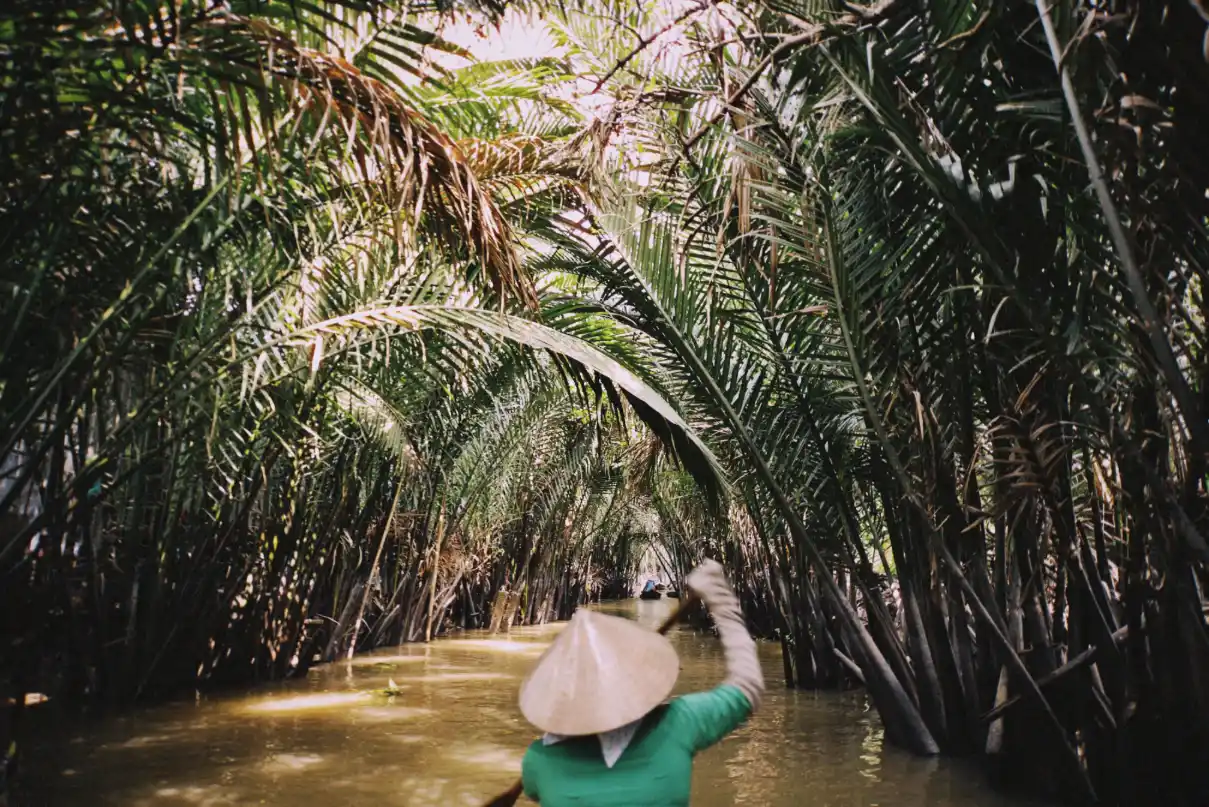
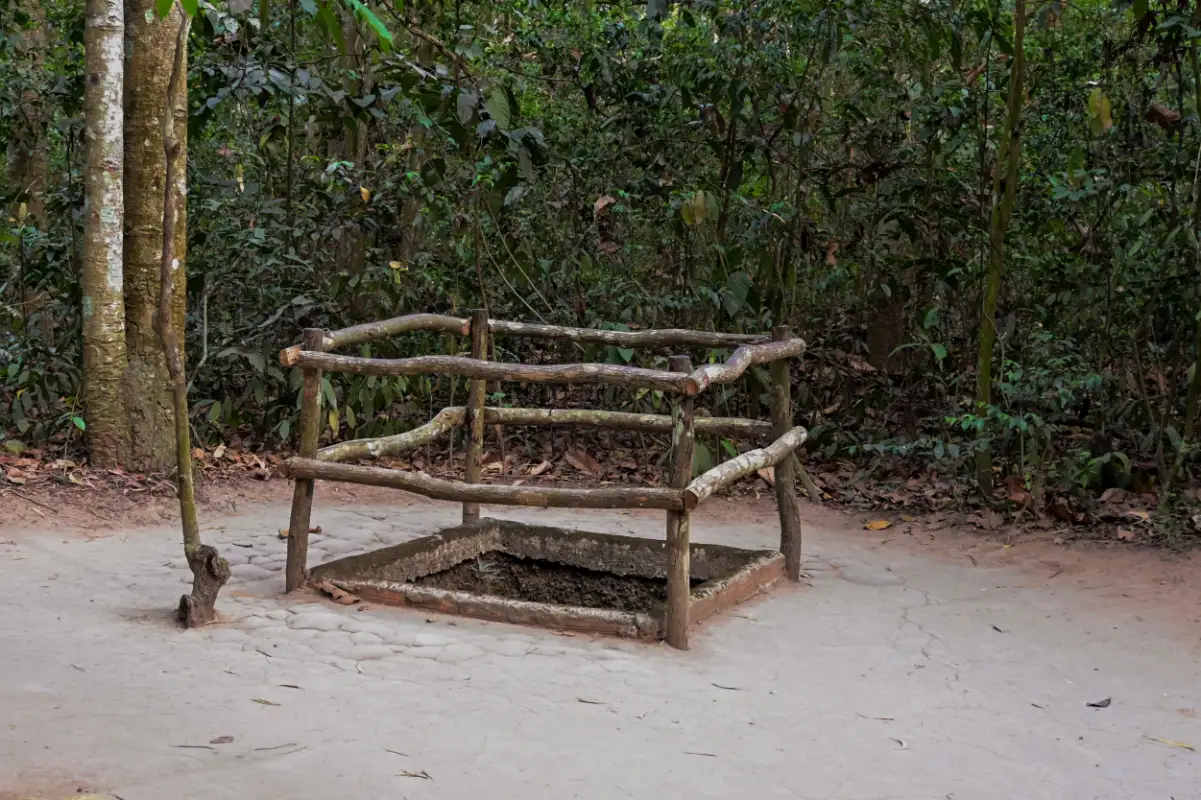
Organised trips are another low-stress option. In Ho Chi Minh City, a Cu Chi Tunnels half-day tour or Mekong Delta tours include the transport. In the north, you can compare Sapa, Ha Long Bay and Ninh Binh as trips from Hanoi that do not require you to ride. A Hanoi food tour is an easy way to explore the Old Quarter without handling the traffic yourself.
If you want a motorbike experience without self-riding, understand the difference between two formats:
- Riding as a passenger: An experienced driver controls the motorbike while you sit behind.
- Joining a guided self-drive tour: You ride your own motorbike while following a guide.
Following a guide does not remove your licensing or insurance responsibilities if you are controlling the bike. A passenger-style tour is the practical choice if you want the experience without the risk.
Conclusion
Deciding whether to rent a motorbike in Vietnam comes down to three checks: a valid licence, insurance that covers riding, and real experience on busy city streets or mountain roads.
Licence rules differ by country, small engines are not always licence free, and rental shops rarely verify your paperwork. Always confirm your own situation and keep written proof from your insurer.
If any check fails, Grab, a private driver or a passenger motorbike tour is the safer way to see the country. Rent a motorbike in Vietnam only when you are legal, covered and confident.
Frequently Asked Questions
How to rent a motorbike in Vietnam safely?
Confirm your licence and IDP are valid for the bike, check that your travel insurance covers riding, and choose a bike you can handle. Inspect the brakes and helmet, photograph existing damage and never leave your passport as a deposit.
Can tourists rent motorcycles in Vietnam?
Yes, rental shops are common, but renting a bike does not mean you may legally ride it. You need a licence Vietnam recognises, such as a 1968 IDP with your home motorcycle licence, and Australian and US documents are not accepted.
Can I drive a scooter in Vietnam without a licence?
Only a true moped, up to 50cc and 50km/h (or 4kW if electric), is exempt from the licence rule, and age and competence rules still apply. Most rental scooters exceed those limits, so you will usually need a valid licence, and insurers may reject claims without one.
What to check before renting a motorbike in Vietnam?
Check the licence class needed for the engine size, the registration papers, compulsory insurance and an approved helmet. Test brakes, lights and tyres, photograph damage, and understand the deposit and your liability for damage or theft.