Navigation
Bali vs. Maldives, Fiji & Thailand: Which Honeymoon Destination Is Actually Right for You?


Choosing between Bali, the Maldives, Fiji and Thailand is less about finding the most romantic destination and more about deciding what kind of honeymoon you want.
Bali makes it easy to combine private stays, sightseeing, food, culture and relaxation in one honeymoon. The Maldives is better for couples who want privacy, clear water and a honeymoon focused mainly on the resort. Fiji combines island relaxation with nature and water activities, while Thailand offers beaches, food, nightlife and plenty to do if you prefer a more active trip.
Your travel dates, budget and the number of days you have can also affect the decision. This guide compares the four destinations based on these differences so you can work out which one best fits the honeymoon you have in mind.
Bali vs Maldives vs Fiji vs Thailand at a Glance
Each destination can work well for a honeymoon, but they suit different priorities.
|
Destination |
Best for |
Honeymoon style |
Main strength |
Main tradeoff |
|
Bali |
Couples who want variety |
Relaxation mixed with sightseeing, dining and activities |
Easy to combine private stays with culture, nature and different areas |
Popular areas can feel busy, and the beaches may not match the classic tropical-island honeymoon some couples imagine |
|
Maldives |
Couples who want privacy and resort time |
Slow, secluded and mostly resort-centred |
Clear water, marine experiences and a strong sense of escape |
There is less variety outside the resort, so choosing the right property matters a lot |
|
Fiji |
Couples who want a relaxed island escape with nature |
Beach and resort time mixed with water activities and excursions |
Tropical islands, marine experiences and a generally slower pace |
Reaching some island resorts takes extra time, which can matter on a shorter honeymoon |
|
Thailand |
Couples who want beaches plus plenty to do |
Flexible, from quiet island stays to busier multi-stop trips |
Strong mix of beaches, food, nightlife and destination variety |
The experience and weather can vary significantly depending on where you go |
These are only starting points. Your travel month, trip length, budget and preferred pace can all change which destination makes the most sense.
Do You Want to Explore or Mostly Switch Off?

One of the biggest differences between these destinations is how active you want the honeymoon to feel.
If you enjoy having somewhere new to go most days, Bali and Thailand generally give you more flexibility. If you would rather slow down and spend more time in one setting, the Maldives and many Fiji island stays may suit you better.
Bali — Relaxation With Plenty of Reasons to Leave the Hotel
Bali works well for couples who want downtime without relaxing the whole trip.
You can have a slow morning at your villa or resort, then head out for dinner, sightseeing, a spa treatment or a change of scenery. You can also split the honeymoon between contrasting areas, such as an inland stay and a coastal one.
If you are not sure which areas suit you best, our guide to where to stay in Bali for a honeymoon compares the main options.
The tradeoff is that Bali can become tiring if you try to fit too much into each day. Traffic and travel between areas can also make a packed sightseeing schedule feel less relaxing.
Maldives — The Resort Is Usually the Honeymoon
The Maldives makes more sense if your ideal honeymoon involves deliberately doing less.
Meals, swimming, spa time and water activities can all happen within the same resort, creating an easy and unhurried pace.
That works particularly well if you are happy spending several days in one setting. If you prefer going somewhere different each day, however, the experience can feel limiting.
Fiji — Island Relaxation With Room for Experiences
Fiji sits somewhere between a pure resort escape and a more active tropical holiday.
Many honeymoon stays leave plenty of room for slow beach days while still allowing you to add marine activities, nature and local experiences.
How active the honeymoon feels will depend heavily on where you stay. A remote island resort creates a very different pace from a property with easier access to excursions and other places.
Thailand — Plenty of Ways to Shape the Trip
Thailand gives couples plenty of ways to structure their honeymoon.
You could relax on one island, combine the beach with a city or cultural stop, or move between several destinations for a more varied trip. This can work particularly well if you and your partner want slightly different things from the honeymoon.
The downside is that more choice can lead to more planning. Trying to include too many islands or regions can also turn valuable honeymoon days into travel days.
Which Is Better If Beaches and Water Matter Most?
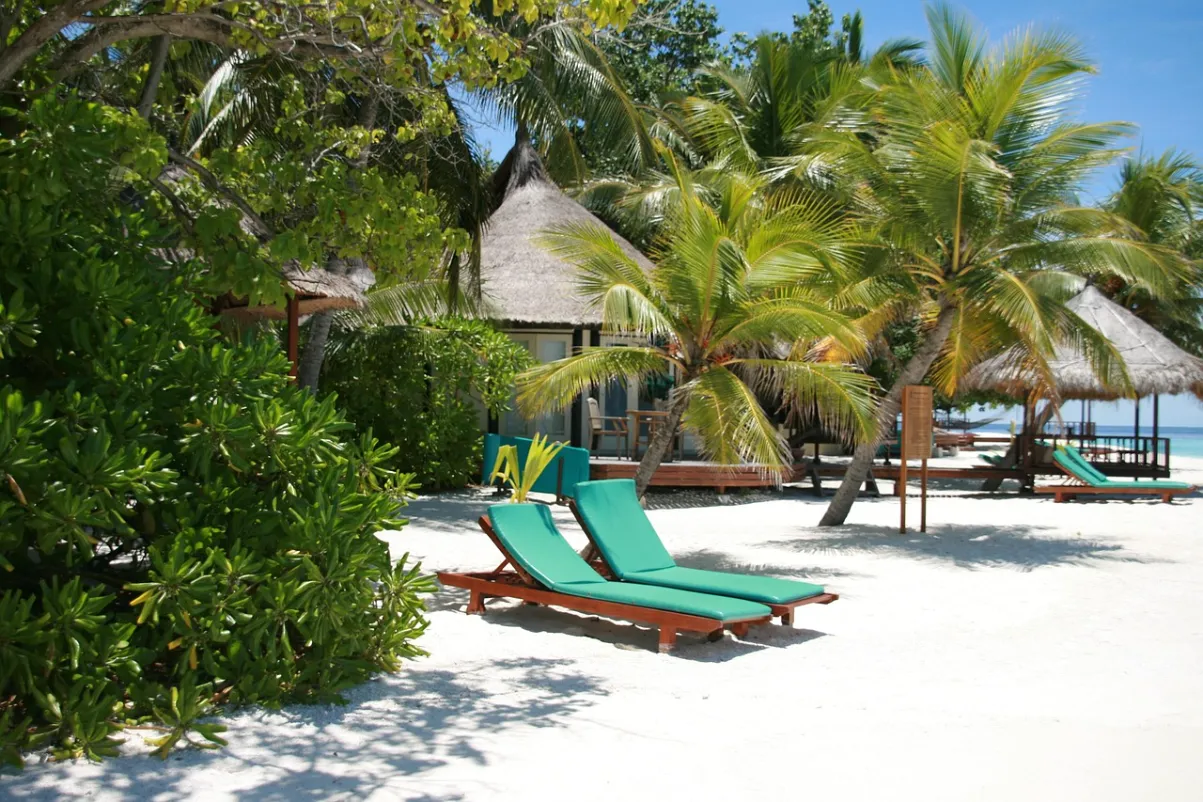
If the beach is one of your main reasons for choosing a tropical honeymoon, the Maldives and Fiji have the clearest advantage for couples who picture calm water, island scenery and spending a large part of the trip around the ocean.
But “best beach” can mean different things. Some couples want easy swimming and snorkeling. Others care more about surfing, dramatic coastlines, island hopping or having restaurants and nightlife nearby.
Maldives — Best for Clear Water and a Resort-Beach Honeymoon
The Maldives is the strongest fit if the ocean itself is meant to be one of the main experiences of your honeymoon.
Swimming, snorkeling, diving and long periods beside the water can naturally become part of each day. If you imagine moving between your room, the beach and the lagoon, this may be exactly the setting you want.
The main consideration is that the quality and style of that experience depend heavily on the resort you choose.
Fiji — Strong for Beaches, Islands and Water-Based Experiences
Fiji also suits couples who want the honeymoon to revolve around the sea while leaving room for nature and excursions.
Swimming, snorkeling, diving and boat trips can be combined with the wider island setting, giving you more ways to break up your beach days.
The exact beach and marine experience will depend on the island and property.
Thailand — Better If You Want Beaches With Island Variety
Thailand is a strong choice if beaches matter but you also want towns, restaurants, nightlife, boat trips or island hopping around them.
The sea can be an important part of the honeymoon without becoming its only focus.
The challenge is that beaches and water conditions vary greatly by coast and island, so choosing the right region for your travel dates matters.
Bali — Better for Coastal Variety Than a Classic Lagoon Honeymoon
Bali offers a different type of coastal experience.
Its appeal includes surf beaches, cliff-backed coastlines, sunset settings and beach clubs, while still allowing you to combine the coast with inland landscapes and activities.
What Bali does not consistently offer is the calm, clear lagoon experience many couples associate with the Maldives or Fiji.
If easy swimming, clear water and marine experiences are your main priorities, Bali may not be the strongest of the four. If you want the coast to be one part of a more varied honeymoon, its broader mix becomes more valuable.
The better question is therefore not simply which destination has the best beaches, but what kind of beach experience you want around the rest of your honeymoon.
How Much Privacy Do You Want — and How Is That Privacy Delivered?

Privacy can mean two different things on a honeymoon.
Some couples want to feel almost completely removed from other travelers. Others mainly want a private room, villa or pool while still being able to step outside and find restaurants, shops and things to do.
That difference can make these four destinations feel very different.
Maldives — Best If Seclusion Is Part of the Experience
The Maldives is the strongest fit if you want the destination itself to feel secluded.
Many honeymoon stays are based on small resort islands, so privacy comes not only from the room or villa but also from the wider setting. For couples who want quiet days, fewer distractions and a strong sense of escape, that can be a major advantage.
Your choice of property therefore affects not only the room, but the level of seclusion around it.
Bali — Strong for Private Accommodation Without Feeling Isolated
Bali offers a different kind of privacy.
Private-pool villas allow couples to create their own retreat while remaining close to restaurants, spas, sightseeing and other parts of the island.
However, a villa labelled “private” does not always guarantee complete visual or noise privacy. Surrounding buildings, staff access, road noise and the property layout can all make a difference.
If privacy matters strongly to you, check the individual property rather than relying on the words “private pool” alone.
Fiji — Privacy Depends Heavily on the Island and Resort
Fiji can offer a strong sense of privacy, particularly at smaller island resorts or properties away from busier areas.
In these settings, seclusion often comes from having fewer people and less development nearby rather than simply having a private villa.
A remote island resort can feel very secluded, while a more accessible location may give you greater freedom to come and go.
Thailand — Privacy Across Different Settings
Thailand gives couples several ways to approach privacy.
You can choose a quiet island resort, private-pool villa, small beachfront property or accommodation close to restaurants and nightlife.
That makes Thailand useful if you want privacy but do not necessarily want seclusion to define the whole honeymoon.
For maximum destination-level seclusion, the Maldives has the clearest advantage. Bali and Thailand work particularly well if you want private accommodation without giving up easy access to other places, while Fiji can offer either experience depending on where you stay.
Which Destination Gives You More to Do Beyond the Resort?
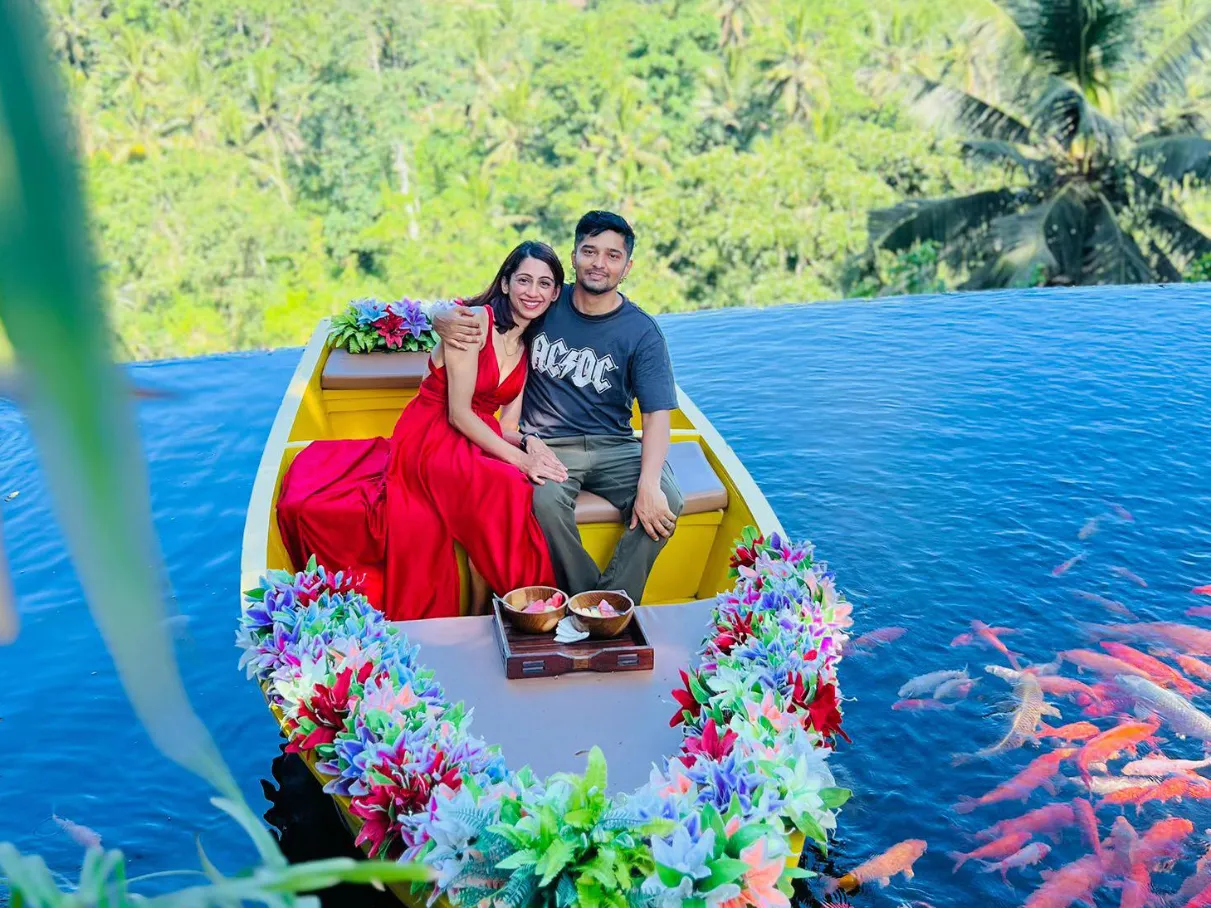
If restaurants, sightseeing and independent activities matter to you, it is worth looking separately at what is available once you leave your accommodation.
Bali and Thailand generally offer the most everyday choice. Fiji's options lean more toward nature and excursions, while many Maldives experiences are arranged through the resort.
Bali — Strong for Couples Who Want Variety Without Constantly Moving
Bali makes it relatively easy to combine temples, markets, spas, waterfalls and other romantic things with restaurants and coastal areas.
Dining is a particular advantage because couples in many popular areas can choose between independent cafés, casual restaurants and higher-end options rather than relying mainly on the hotel.
The main limitation is travel time. Bali may look compact on a map, but traffic can make sightseeing days longer than expected.
Thailand — Best If You Want the Widest Range of Possible Honeymoons
Thailand offers an even broader range of experiences, although they are spread across a much larger country.
Depending on where you stay, your trip can combine islands, cities, cultural destinations, restaurants, nightlife and food-focused stops.
The tradeoff is distance. Flights, ferries and longer transfers may be needed if you want several different sides of Thailand in one honeymoon.
Fiji — Better for Nature and Excursions Than Urban Variety
In Fiji, variety outside the resort is more likely to mean boat trips, snorkeling, diving, hiking, waterfalls, village visits and other outdoor experiences.
That works well if you want peaceful resort time mixed with a few memorable excursions.
It is less suitable if your ideal honeymoon depends on restaurant variety, shopping, nightlife or having plenty of places to wander around in the evening.
Maldives — Best When You Do Not Need Much Beyond the Resort
The Maldives still offers plenty to do if your interests are centred on the water.
Snorkeling, diving, boat trips, spa time and other organised experiences can easily fill your days. What it generally offers less of is spontaneous exploration outside the resort.
That distinction matters more than simply counting how many activities are available.
Which Gives You Better Value for the Honeymoon You Want?
.webp)
The cheapest honeymoon is not automatically the best value.
What matters is what your budget actually buys in each destination and how much control you want over where that money goes.
Bali — Best for Spending Flexibility
Bali gives couples plenty of freedom to decide where to spend and where to save.
Accommodation ranges from comfortable hotels and private villas to high-end resorts, while restaurants, spas and activities are available at many price levels.
You might choose a private-pool villa but eat mainly outside the hotel, or stay somewhere simpler for part of the honeymoon and spend more on a luxury coastal stay later.
That flexibility is one of Bali's strongest advantages if you want parts of the trip to feel luxurious without paying premium prices for everything.
For a more detailed breakdown of accommodation, food, activities, transfers and other expenses in Bali, see our Bali honeymoon cost guide.
Maldives — Higher Spending Is More Closely Tied to the Resort
In the Maldives, the resort usually takes up a larger share of both the honeymoon experience and the budget.
Your choice of property affects dining, activities and extras, while transfers to the resort can add another significant cost.
Paying more may give you a better villa, more privacy, a stronger setting or more included services. But once you arrive, there are generally fewer ways to control different parts of your spending independently.
That can still represent excellent value if the resort experience itself is what you are paying for.
Fiji — Value Depends Heavily on Where You Stay
Fiji can work across different honeymoon budgets, but a remote stay can involve extra boat, flight or transfer costs. Dining and activities may also be more closely tied to the property when there are few alternatives nearby.
That does not make a remote stay poor value. If seclusion, marine experiences and a quieter island setting are exactly what you want, those extra costs may be worthwhile.
The important point is to look beyond the room rate and consider what the entire stay will cost, including getting there.
Thailand — Strong Value With Plenty of Choice
Thailand also gives honeymooners a wide range of accommodation, restaurants and experiences.
You can spend more on a luxury beachfront stay while keeping meals and everyday activities flexible, or plan a more affordable trip without giving up beaches and variety.
Where the total can rise is in the itinerary itself. Domestic flights, ferries, private transfers and repeated hotel changes gradually add up if you try to include several islands or regions.
If budget control and the ability to splurge selectively matter most, Bali and Thailand generally give you more flexibility. The Maldives and remote Fiji stays may require more of the budget to go toward accommodation and transfers, but can still offer better value if privacy, setting and resort time are your priorities.
How Many Days Do You Have for Your Honeymoon?
The number of nights you have can change which destination makes the most sense.
The key question is not only how long it takes to reach the destination, but also how much of the honeymoon you want to spend moving once you are there.
If You Have Around 5–7 Nights
With a shorter honeymoon, simplicity usually matters more than variety.
Bali works well if you limit yourself to one or two areas. Thailand can also suit a one-week trip, but focusing on one region is usually better than combining several islands or cities.
The Maldives can be particularly appealing if you are happy staying at one resort because there is little need to keep packing and moving once you arrive.
Fiji can work too, although longer onward transfers take up a larger share of a short trip.
For a one-week honeymoon, choosing fewer places well is usually better than trying to see more.
If You Have Around 8–10 Nights
This length gives you more flexibility without forcing you to keep changing hotels.
Bali can comfortably combine two contrasting settings, while Thailand becomes easier to structure as a two-part honeymoon if the destinations connect well.
In Fiji, the extra days make a remote island stay easier to justify because the transfer takes up a smaller proportion of the trip.
The Maldives does not necessarily require more than one resort simply because you have more time. If slow days are what you want, staying in one place may still be the better choice.
If You Have Around Two Weeks
With two weeks, Bali and Thailand benefit most from the extra flexibility because you can combine different areas without turning every few days into another travel day.
Fiji also becomes more practical if you want to mix island relaxation with more than one setting.
Two weeks in the Maldives can work very well if you genuinely enjoy resort time, diving, snorkeling and slow days. If you tend to become restless after several days in one place, however, having more time does not automatically make it a better choice.
The main lesson is that more days should allow you to slow the honeymoon down, not simply add more stops.
Does Your Honeymoon Month Change the Best Choice?
Yes. If your wedding date determines when you can travel, seasonality can affect which destination makes the most sense.
These four destinations do not share the same wet and dry seasons. Thailand is more complicated because weather patterns also differ between its coasts and regions.
If You Are Travelling Roughly From May to October
This period generally works well for Bali and Fiji.
Bali's dry season typically runs from around April to October, making these months well suited to outdoor sightseeing, beach time and day trips.
Fiji also has its cooler, drier season from May to October. Rain is still possible, but there is generally less rainfall and humidity than during the warmer wet season.
The Maldives follows the opposite broad pattern. Its wetter southwest-monsoon period generally runs from around May to October, while the sunnier northeast monsoon falls between November and April.
Thailand is less straightforward. Many parts of the country experience the southwest monsoon during this period, but conditions vary by coast and island.
If You Are Travelling Roughly From November to April
The Maldives becomes particularly attractive from a weather perspective, with its generally sunnier season falling across these months.
Bali moves into its wetter season, which generally runs from November to March. That does not mean your honeymoon will be washed out, but there is a greater chance of rain and some disruption to outdoor plans.
In Fiji, November to April is the warmer and wetter season. It also overlaps with the South Pacific tropical-cyclone season, although severe weather cannot be predicted months in advance.
Thailand can also be a strong option during parts of this period, but weather can differ significantly between the Andaman coast and Gulf islands.
Seasonality therefore works best as a shortlisting tool rather than an automatic winner. If two destinations suit your honeymoon equally well, the expected weather during your travel month can help you choose between them.
A wet season does not mean constant rain, and a dry season does not guarantee perfect weather.
For Thailand especially, check the weather pattern for the specific coast or island you are considering, rather than relying on a general country-wide recommendation.
Which Honeymoon Destination Fits You Best?
By this point, the choice should come down less to which destination sounds most impressive and more to which tradeoffs suit you best.
Choose Bali If You Want Variety Without Giving Up Privacy
Choose Bali if you want private accommodation, good food, sightseeing and enough variety to balance slower honeymoon days.
If you would rather have the main trip logistics arranged for you, you can also explore our Bali honeymoon packages.
Think twice if: calm lagoon-style water and an isolated tropical-island setting are your main priorities, or if busy roads and popular tourist areas would affect the atmosphere you want.
Choose the Maldives If Seclusion Is the Main Priority
Choose the Maldives if privacy, clear water and slow days around one resort sound closer to your ideal honeymoon than sightseeing or nightlife.
Think twice if: you enjoy independent exploration, restaurant variety and spontaneous options outside your accommodation.
Choose Fiji If You Want a Slower Island Honeymoon With Nature
Choose Fiji if you want beaches, nature, marine experiences and a quieter island pace with room for a few excursions.
Think twice if: your trip is short and reaching your chosen resort requires significant onward travel, or if restaurants, shopping and nightlife are important to you.
Choose Thailand If You Want the Most Freedom to Shape the Trip
Choose Thailand if you want beaches alongside food, nightlife, cultural stops or the option to combine different settings.
Think twice if: you want a very simple honeymoon with minimal planning, as adding too many islands or regions can make the trip feel rushed.
If you are still choosing specifically between Bali and Thailand, our Thailand vs Bali honeymoon comparison looks more closely at the differences between the two.
There is no single best honeymoon destination among the four. The right choice depends on the pace, setting and tradeoffs that matter most to you.