Navigation
Best Time to Visit Vietnam: A Month-by-Month, Region-by-Region Guide

There is no single best time to visit Vietnam because the weather varies a lot between the north, center, and south.
If you want to travel through several regions, March and April are among the easiest months to work with. Northern Vietnam is warming up, much of Central Vietnam is relatively dry, and Southern Vietnam is still in its dry season.
But other months may suit you better if your trip focuses on one region or a particular type of experience. Vietnam's official tourism authority describes March to May as a favorable period across much of the country.
So instead of simply asking, “When is the best time to visit Vietnam?" it is more useful to ask: Which regions suit your travel dates, and which months suit the kind of trip you want?
How Vietnam’s Weather Differs Between North, Central, and South
Vietnam's length and geography create very different weather patterns across the country. Broadly, monsoon rainfall is heavier from around May to October in the north and south, while Central Vietnam's main rainy season comes later, roughly from September into the beginning of the following year.
North Vietnam

Northern Vietnam has the biggest seasonal change in temperature.
Hanoi and Halong Bay can be cool, cloudy, or misty from December into March. Temperatures rise through spring, while June to August is hot, humid, and wetter. September to November often brings cooler and more comfortable weather again.
Mountain destinations such as Sapa are cooler than Hanoi, especially in winter, so the same month can feel very different depending on elevation.
Central Vietnam
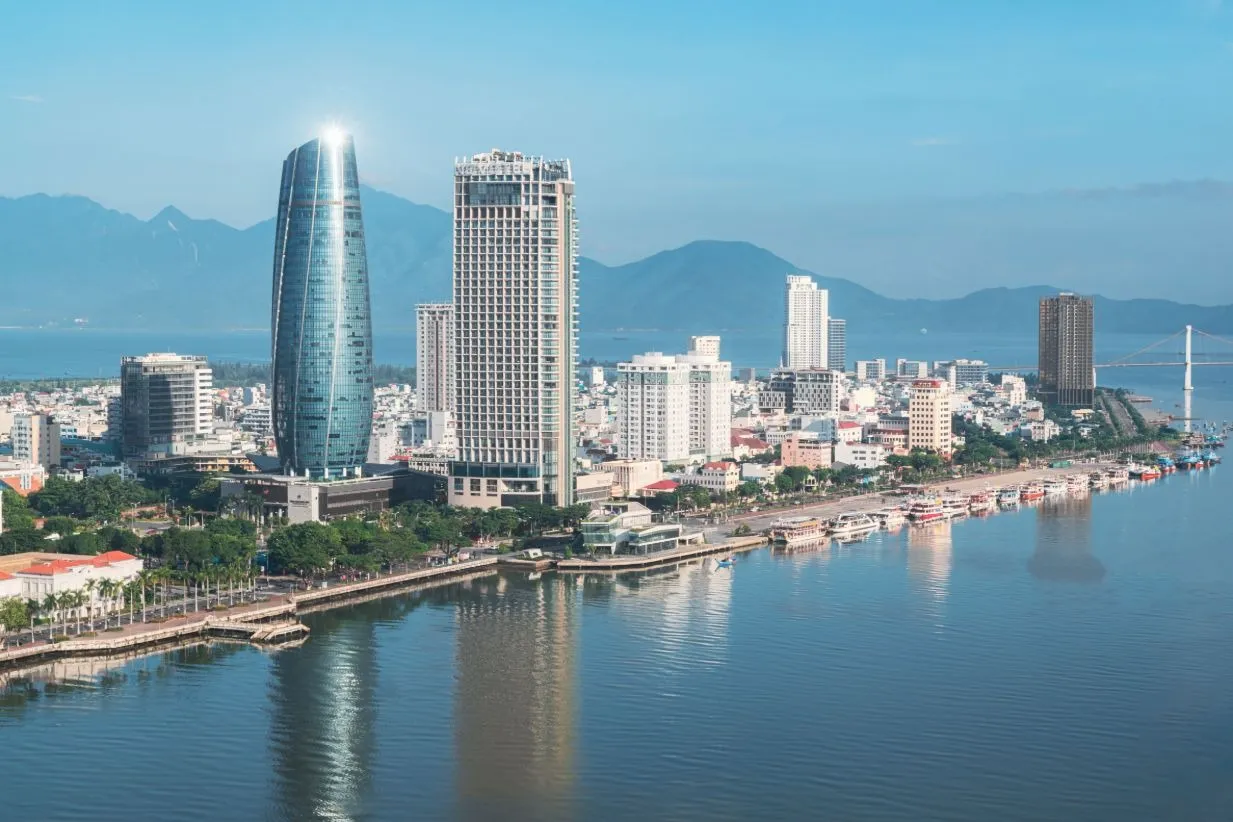
Central Vietnam follows a different weather pattern, especially around Hue, Da Nang, and Hoi An.
Much of the central coast remains warm, dry, and sunny weather from roughly February or March through August. However, the peak summer months, particularly June and July, bring extreme heat, with daily temperatures often exceeding 38°C (100°F) along with high humidity. During this period, midday outdoor sightseeing can be exhausting, so it is best to schedule walking tours, temple visits, and excursions for early morning or late afternoon, spending the hottest hours by the beach or pool.
The weather transitions sharply later in the year. The central region enters its main rainy season from September through December, bringing higher risks of heavy downpours, localized flooding, and occasional tropical storms.
This distinct pattern is why a summer month that feels uncomfortably hot or wet in Hanoi and Ho Chi Minh City may actually work well for a beach-focused trip in Central Vietnam—provided you plan around the midday heat.
South Vietnam

Southern Vietnam stays warm throughout the year.
Around Ho Chi Minh City and the Mekong Delta, December to April is the drier period, while May to November brings hotter, more humid weather and more frequent rain. However, wet-season rain often comes as a heavy afternoon downpour rather than lasting all day.
Southern islands can have slightly different patterns. Phu Quoc, for example, is wetter and stormier from July to September, so simply calling the whole period the “South Vietnam wet season” does not tell the full story.
|
Region |
Generally easier weather |
Wetter period |
Main tradeoff |
|
North |
Spring and autumn |
Summer |
Winter can be cool and misty; summer hot and humid |
|
Central coast |
Roughly spring to late summer |
Mainly later in the year |
Late-year rain and less predictable weather |
|
South |
Roughly December to April |
Roughly May to November |
Warm year-round, but wet season brings frequent showers |
These are long-term seasonal patterns, not forecasts for a particular week or year. Actual rainfall and temperatures can still vary.
Best Time to Visit Vietnam Month by Month
Comparing the three regions side by side gives a much clearer picture of what each month is actually like.
|
Period |
North Vietnam |
Central Vietnam |
South Vietnam |
Practical takeaway |
|
January–February |
Cool; gradually warming |
Wetter early, improving by February |
Dry and warm |
Better for the South; cross-region conditions improve towards February |
|
March–April |
Mild to warm |
Warm and mostly dry |
Dry and increasingly hot |
One of the easiest periods for a multi-region trip |
|
May–June |
Hotter and increasingly wet |
Hot and generally sunny |
Wet season begins |
Central Vietnam becomes the stronger weather choice |
|
July–August |
Hot, humid and wet |
Hot; relatively good for many coastal areas, though conditions start changing by late August |
Wet and humid |
Better for Central-focused trips than a weather-led countrywide route |
|
September–October |
Conditions improve in the North |
Wetter, with rising storm and flood risk |
Still wet, gradually easing |
Strong North/Central contrast; more flexibility is useful |
|
November–December |
Cool and relatively dry |
Rain can continue |
Becoming dry, warm and sunny |
Stronger for North and South; Central weather remains the main variable |
The table summarizes broad seasonal patterns and destination guidance from Vietnam's tourism authority.
June to August should not automatically be dismissed as the “bad season.” Northern and southern areas are wetter, but parts of Central Vietnam can still be sunny and good for coastal trips.
October and November bring almost the opposite pattern. The North can have pleasant weather, while the central coast is experiencing one of its wetter parts of the year.
When Is the Best Time for a North-to-South Vietnam Trip?
If you want to combine northern, central, and southern Vietnam in one journey, March and April are usually among the easiest months to work with.
The North is moving away from cooler winter weather, Central Vietnam is in a drier period, and the South has not yet fully entered its wet season.
Other months can still work, but you may need to accept a bigger tradeoff between regions.
For example, October can be excellent for Hanoi or Sapa but much wetter around Hoi An and Hue. July can bring uncomfortable heat and rain in Hanoi and the South while still offering relatively good beach weather along the central coast.
If your trip covers the whole country, it usually makes more sense to choose a month when all three regions are reasonably workable rather than chasing perfect weather in one destination.
Best Time to Visit Vietnam for Beaches, Trekking, Cruises and Sightseeing
The best month can also depend on what you plan to do.
Beaches
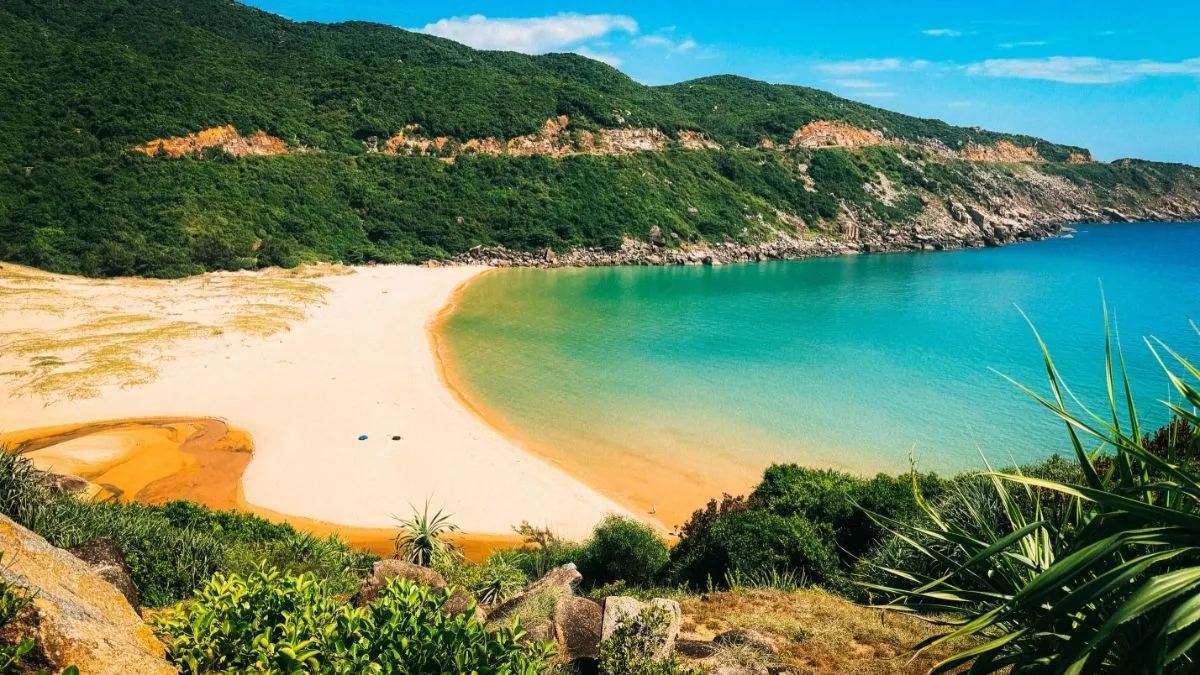
Vietnam does not have one nationwide beach season.
The central coast around Hoi An and nearby areas gets sunnier weather from around February to August, while Phu Quoc is typically drier from around October to June.
So a month that is good for beaches in Central Vietnam may not be the best time for a southern-island stay, and vice versa.
Trekking

For northern trekking, rainfall, temperature, and visibility all matter—as does timing if you want to see the region's famous terraced rice fields at their peak.
If photography and scenery are your main priorities, timing is everything:
-
Late May to June (Water Season): Farmers flood the terraces to prepare for planting, creating dramatic mirror-like reflections across the mountainsides.
-
Late August to September (Golden Harvest Season): The rice turns bright yellow just before harvest, creating Sapa’s iconic golden landscape. By October, much of the crop has already been harvested.
Whether you prefer crisp walking weather, dramatic terraced landscapes, or clear mountain vistas will determine the ideal month for your trek.
Halong Bay Cruises

For Halong Bay, weather can affect more than just comfort.
December to March can be cool and misty, while summer is hotter, wetter, and more prone to storms. Vietnam Tourism recommends April to June and September to November for a better chance of pleasant weather and notes that tropical storms can occasionally cause cruise cancellations.
If a Halong Bay cruise is one of the main reasons for your trip, leave some flexibility in your plans instead of choosing your dates only from average rainfall figures.
City Sightseeing

For city trips, the driest month is not always the most comfortable.
Hanoi can become very hot and humid in summer, while Ho Chi Minh City's wet-season showers are often concentrated into a few hours in the afternoon.
A cooler month with occasional rain may therefore be more comfortable for long days of walking than a dry but very hot period.
What Central Vietnam’s Rainy Season Means for Your Trip
If you are travelling through Central Vietnam later in the year, the main thing to plan around is uncertainty.
Around Hoi An, Da Nang, and Hue, heavier rain becomes more common from September onwards. Hoi An can experience flooding between September and November, while Hue can also be affected during the wetter months. Tropical storms may occasionally disrupt travel along the central coast.
That does not mean you need to avoid Central Vietnam in October or November. Some travellers may still have perfectly manageable weather.
The main concern is how heavy rain, flooding, or storms can affect beach plans, outdoor sightseeing, and transport. These disruptions can be more significant than the shorter tropical showers common in southern Vietnam.
Use seasonal patterns to understand the risk, rather than trying to predict the exact weather on your travel dates.
Vietnam's national meteorological service publishes seasonal outlooks showing that temperatures, rainfall, and storm activity can fall above or below long-term averages. If you are travelling during a wetter period, check the current forecast closer to departure.
Tet, Crowds and When to Book
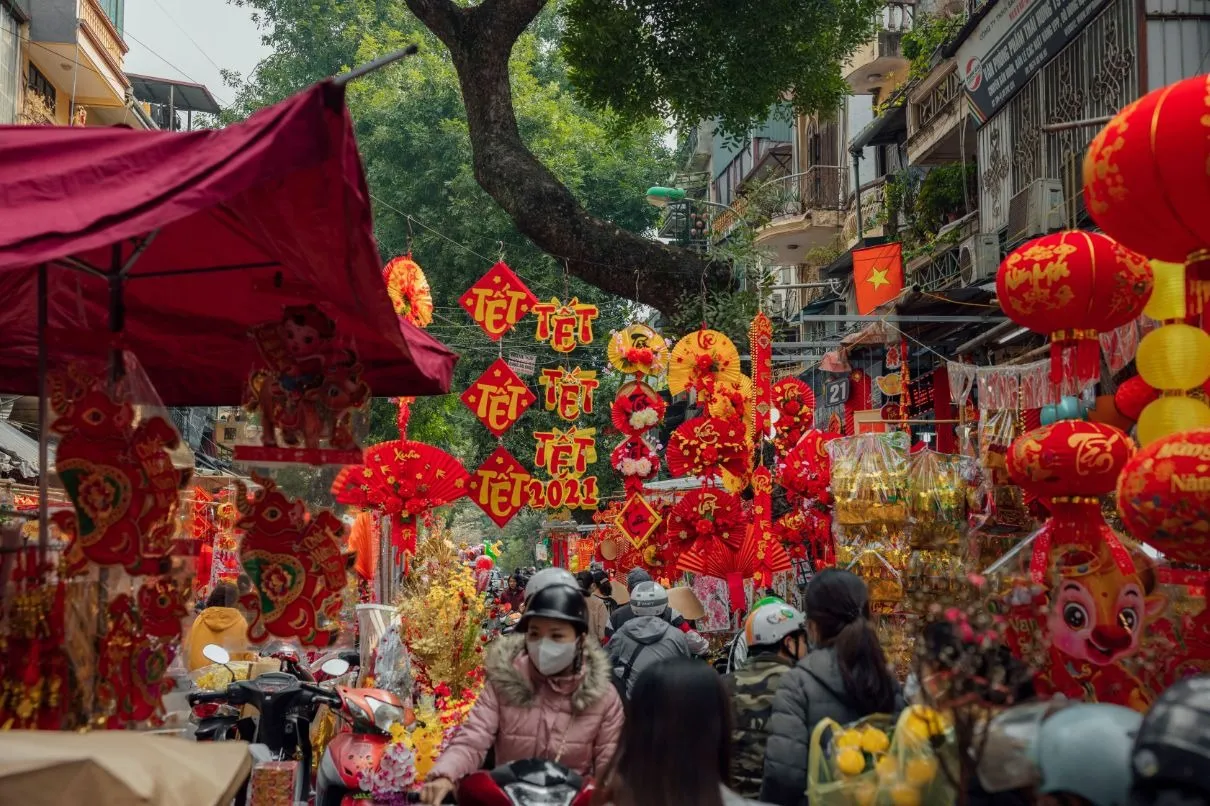
Weather is not the only factor that can affect when you travel.
If your trip overlaps Tet, the Vietnamese Lunar New Year, domestic travel demand rises sharply as people travel home to visit their families. Bus, train, and flight tickets, along with hotel rooms, can become harder to secure, so it is worth arranging transport and accommodation earlier than usual.
Some restaurants and businesses also close during the first few days of Tet, which can change the feel of a city trip.
Outside major holiday periods, booking timelines depend on your plans and entry arrangements. So be sure to review the Vietnam Visa & Travel Requirements so your e-visa processing times align with your travel dates.
So, When Should You Visit Vietnam?
For a trip covering North, Central, and South Vietnam, March and April offer one of the better balances between the country's different weather patterns.
If your trip is mainly in Northern Vietnam, spring and autumn usually give you a comfortable balance of temperature and rainfall.
For Central Vietnam, spring into early summer tends to offer more reliable weather, while the later part of the year is wetter and less predictable.
For Southern Vietnam, December to April brings drier weather. But the wet season is not automatically a reason to avoid the region, as rainfall often comes in shorter, heavier showers.
If your travel dates are already fixed, turn the question around: choose the parts of Vietnam that suit your month rather than expecting the same month to be ideal everywhere.