Navigation
Singapore Tours for Seniors: Accessible, Low-Walking Itineraries
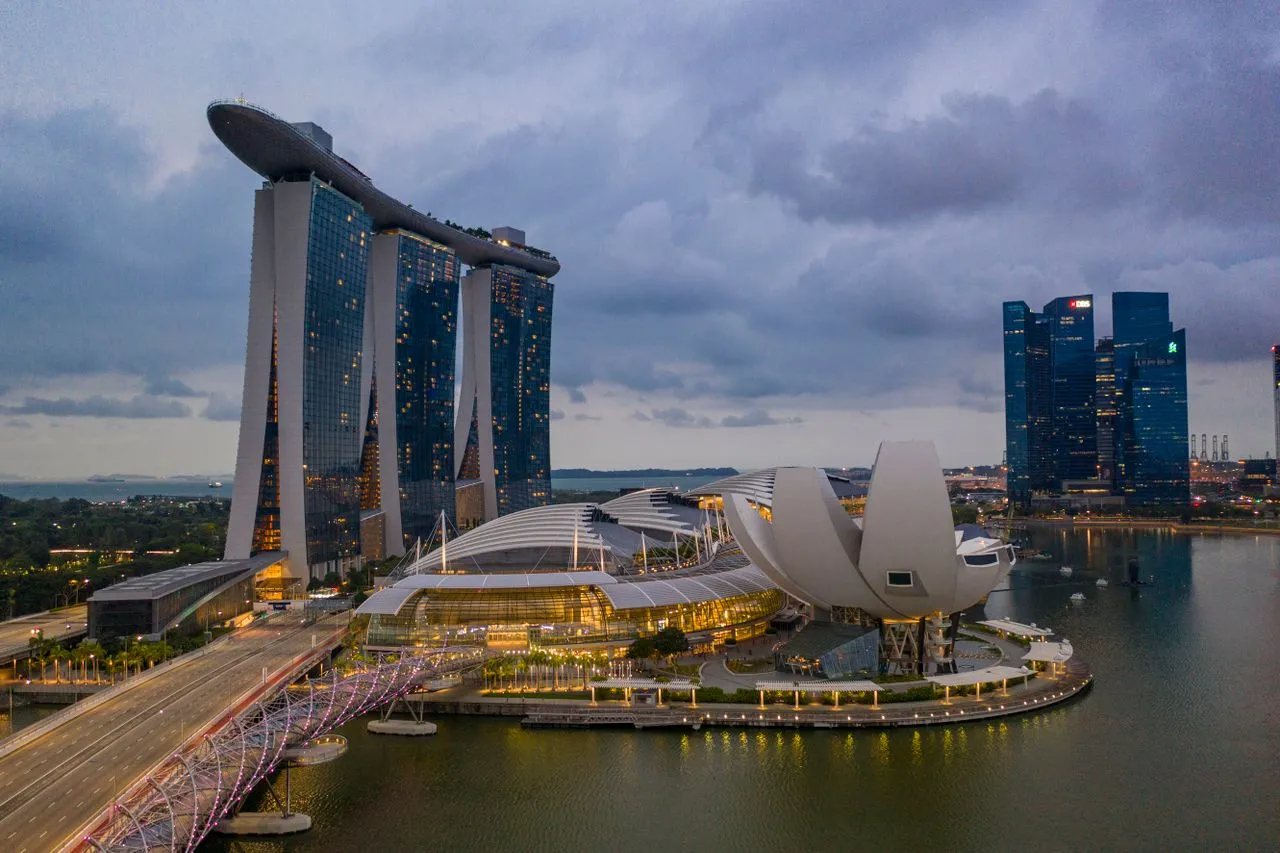

Singapore can be a practical destination for older travelers who want to sightsee without spending most of the day on foot. Public transport is widely accessible, many major attractions offer step-free access, and taxis or private vehicles can reduce the walking between stops.
But accessibility does not always mean low walking. A large attraction may have lifts and wheelchair-friendly paths but still require a lot of walking to explore. MRT stations may also be accessible, but travelers can still face long corridors, interchanges, and walks between the station exit and the attraction.
A comfortable Singapore itinerary therefore depends less on age and more on how long someone is comfortable walking or standing, how often they need to sit, and how much help they want with transport.
First, Decide How Much Walking Is Comfortable
Before choosing attractions, think about the person in the group with the lowest walking tolerance.
It can be difficult to adjust a packed sightseeing itinerary once the day has already started. It is better to plan around realistic walking limits from the beginning.
Comfortable With Short Walks
Some older travelers can walk independently without difficulty but prefer regular seated breaks and do not want to spend several hours continuously on their feet.
For them, Singapore's main sights are generally manageable if the day includes a proper lunch break, a mix of indoor and outdoor attractions, and transport between sightseeing areas instead of trying to connect everything on foot.
Needs Frequent Sitting or Very Short Walking Stretches
If someone can walk independently but gets tired after short stretches, the itinerary needs more adjustment.
Choose fewer stops, avoid long walks between attractions, and favor places where the main experience is fairly compact. Attractions with wheelchairs, shuttles, lifts, or plenty of indoor seating can also make the day easier.
In this case, taxis or private transport can be more useful because they reduce the extra walking between stations, exits, streets, and attraction entrances.
Uses a Wheelchair or Mobility Aid
If someone uses a wheelchair, walker, or other mobility aid, check the specific transport and attraction arrangements instead of relying only on whether a place is described as accessible.
Singapore's public transport accommodates wheelchairs and qualifying personal mobility aids, although size and weight limits apply. Individual attractions may also have their own restrictions.
A useful approach is to plan around the person with the lowest walking tolerance instead of creating a standard itinerary and expecting everyone to keep up.
Which Singapore Sights Work Best With Less Walking?
The easiest attractions are not always the smallest ones. Consider how easily you can reach the main experience, whether there are ways to reduce walking once inside, and whether the visit can be shortened if needed.
The walking levels below are practical comparisons rather than exact measured distances. How tiring each visit feels will still depend on the route you choose.
|
Sight or experience |
Walking effort |
Heat exposure |
What makes it easier |
|
Singapore Flyer |
Low |
Low |
Mostly seated experience; wheelchair-friendly boarding |
|
National Gallery Singapore |
Low to moderate |
Very low |
Indoor, lifts, accessible vehicle drop-off and wheelchair loans |
|
Gardens by the Bay conservatories |
Low to moderate with planning |
Low inside, higher outside |
Shuttle service and wheelchair rental can reduce walking |
|
Marina Bay sightseeing |
Highly variable |
High outdoors |
Easier when visiting selected viewpoints instead of walking the whole waterfront |
|
Sentosa |
Highly variable |
Depends on activity |
Internal transport and carefully chosen attractions can reduce walking |
Singapore Flyer
The Singapore Flyer is one of the easier sightseeing experiences when walking and standing need to be limited because most of the experience is spent seated inside the observation capsule.
The Flyer is wheelchair accessible. Its current accessibility information says staff can stop the wheel for boarding, and each capsule can accommodate wheelchair users.
This makes it easier to include than an attraction that requires a long route on foot, especially if you arrive by taxi or private vehicle rather than adding another long walking connection.
National Gallery Singapore
The National Gallery is a good option if you want a longer sightseeing experience without spending much time outside in Singapore's heat.
Its Coleman Street entrance has a sheltered, step-free vehicle drop-off. Exhibition areas are wheelchair accessible, lifts serve all floors, accessible toilets are available, and manual wheelchairs can be borrowed free of charge from visitor-service counters.
The building itself is large, so trying to see every gallery can still become tiring. It is better to choose a few exhibitions or areas and keep the visit flexible instead of trying to cover the entire museum.
Gardens by the Bay
Gardens by the Bay requires a little more planning.
The attraction is accessible, but it covers a large area. Someone who walks from Bayfront MRT and then tries to visit the outdoor gardens, conservatories, and Supertree area in one trip can still end up walking a considerable distance.
There are several ways to reduce the effort. Gardens by the Bay currently rents wheelchairs for S$2 per day and operates a shuttle between Bayfront MRT, Active Garden, and Flower Dome. Wheelchair passengers can use the shuttle free, although restrictions apply to the size and type of wheelchair it can carry. There is also a 20-minute Garden Cruiser audio tour through the outdoor gardens.
For a low-walking visit, focus on the Flower Dome and Cloud Forest instead of trying to cover the entire garden complex.
Marina Bay
Marina Bay is a good example of why an accessible area is not always a low-walking one.
The waterfront has several well-known sights, but trying to connect every viewpoint, bridge and attraction on foot can turn what looks like a compact area on the map into a long outdoor walk.
For someone with limited stamina, it is better to choose the views or attractions that matter most and use transport between larger stops. Many of the waterfront viewpoints are among the best free things to do in Singapore, but there is no need to walk the entire loop simply because the attractions look close together on a map.
Sentosa
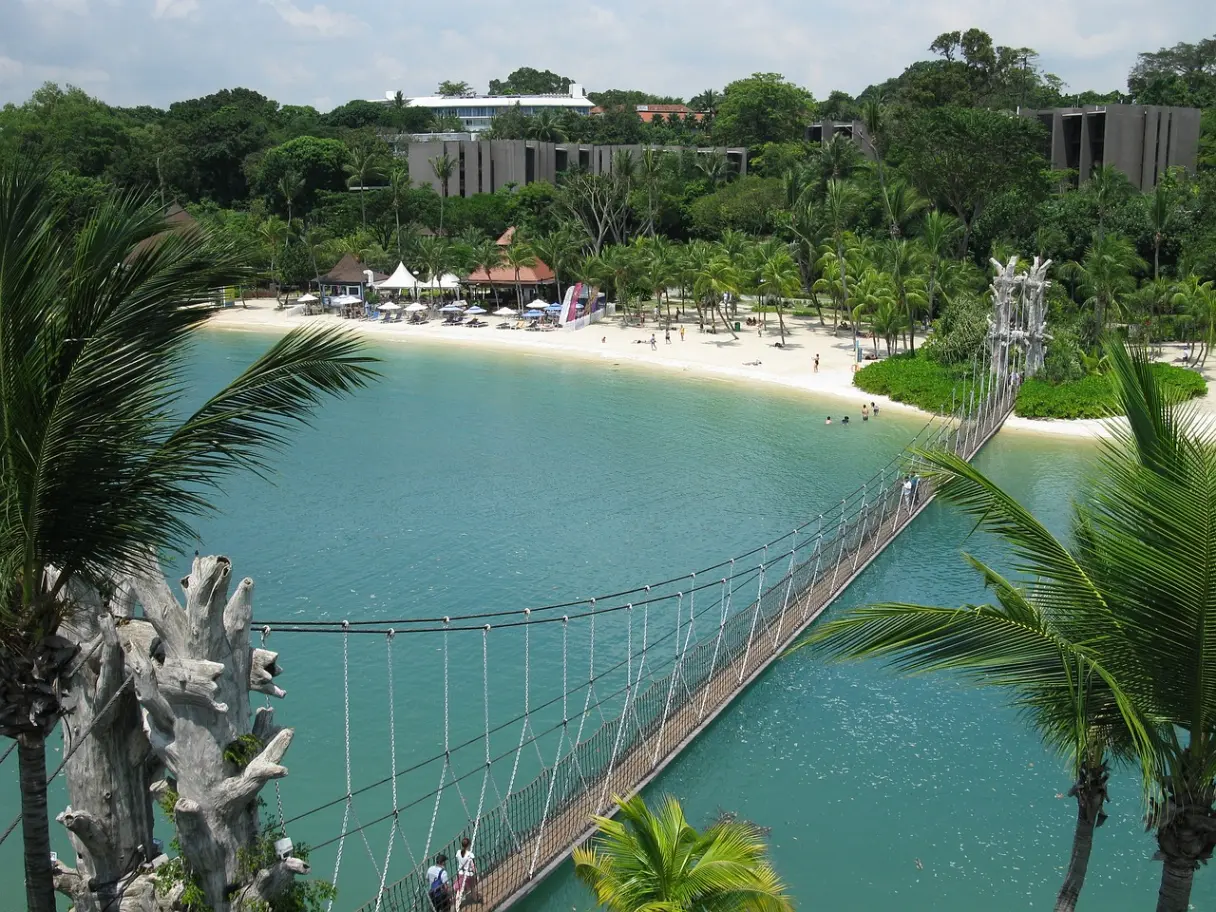
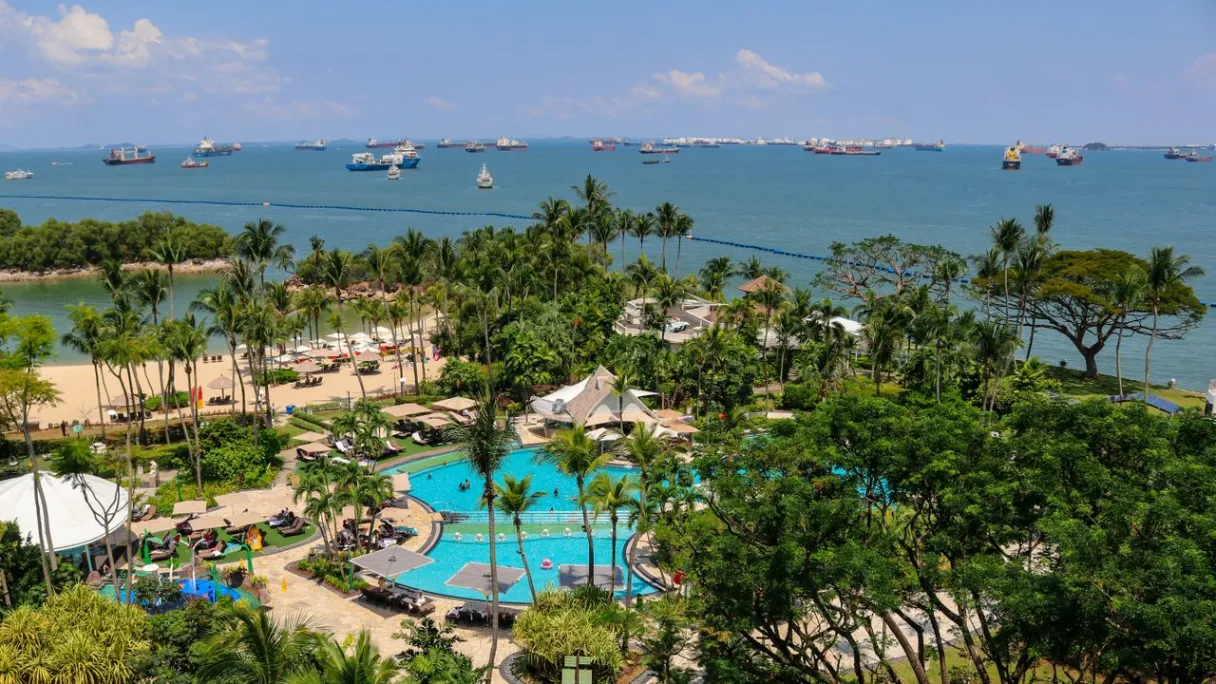
Sentosa can work well for older travelers, but it should not automatically be considered a low-walking destination.
Its attractions are spread across different parts of the island. Sentosa's current accessibility information says wheelchair rentals are available at several guest-service locations, the Sentosa Express offers level wheelchair boarding, and accessible transport can be requested.
If you plan to use the Singapore Cable Car, manual wheelchair users are accepted, and lifts are available at the stations. However, motorized wheelchairs are not permitted onboard.
For an easier visit, choose one or two specific Sentosa experiences rather than trying to explore the whole island on foot.
How to Reduce Walking Between Sightseeing Stops
A large part of the day's walking can come from getting to attractions rather than exploring them.
Singapore's MRT is accessible and convenient for travelers who are comfortable with short walks. But using it several times during one sightseeing day means walking through stations, reaching platforms, changing lines, and then continuing from the station exit to the attraction.
For someone who gets tired easily, taxis or a private vehicle can reduce these repeated walks. They are especially useful when the itinerary includes several separate sightseeing areas.
A hop-on-hop-off bus is another option. It reduces some navigation and gives travelers time to sit while sightseeing, but it does not remove walking completely. Check how close the bus stops are to the attraction entrances before relying on them as a low-walking option.
Hotel location also matters. A centrally located hotel will not make individual attractions easier to explore, but it can shorten transfers and make it easier to return for a rest during the day.
The aim is not to avoid walking completely. It is to save energy for the attractions instead of using it unnecessarily between them.
Sample Low-Walking Singapore Itineraries
These itineraries are not designed to fit as many attractions as possible into one day. They show how a sightseeing day can be paced when comfort matters more than the number of places visited.
Minimal-Walking Sightseeing Day
Start with the Singapore Flyer in the morning, followed by a relaxed lunch.
Spend the afternoon at the National Gallery Singapore. If arriving by car or taxi, use the Coleman Street drop-off and choose a few galleries rather than trying to cover the whole building.
If everyone still feels comfortable, add a short Marina Bay viewpoint stop or explore lighter Singapore night tour options later in the day when the ambient temperature cools down. Keep it optional.
If energy drops: skip Marina Bay. The Flyer and National Gallery already make a complete sightseeing day without forcing in another stop.
Low-Walking Classic Singapore Day
Spend the morning at the Flower Dome and Cloud Forest, then take a proper seated lunch break.
In the afternoon, travel by taxi or private vehicle to the Singapore Flyer. If everyone still feels comfortable, finish with a short Marina Bay viewpoint rather than walking the entire waterfront.
This order puts the more demanding visit first and keeps the second half of the day lighter.
Low-Walking Two-Day Plan
On Day 1, visit the Gardens by the Bay conservatories in the morning, take a long lunch break, and visit the Singapore Flyer later in the day. Keep any Marina Bay sightseeing short and optional.
On Day 2, spend the morning at the National Gallery Singapore. After lunch, either finish sightseeing early or choose one specific Sentosa experience, using private transport or Sentosa's internal transport where useful.
The benefit of having two days is not necessarily seeing twice as much. It gives you more time to enjoy the main sights without making either day physically exhausting.
If you are trying to figure out overall trip pacing or considering extending your stay, review sample Singapore itineraries for 1 to 5 days to see how much ground you can realistically cover.
What to Check Before Booking a Senior-Friendly Singapore Tour
Do not rely only on terms such as “easy tour,” “accessible tour” or “private tour.” They can mean very different things depending on the operator.
Before booking, ask:
- How much walking and standing is normally involved at each stop?
- How close can the vehicle drop passengers to each attraction?
- Are there stairs, slopes or long walks between the drop-off point and entrance?
- Can extra sitting or rest breaks be added if needed?
- Can the itinerary be shortened or changed during the day?
- Can a folding wheelchair, walker or other mobility aid be carried in the vehicle?
- If someone uses a wheelchair, are there any restrictions at the attractions or on the vehicles?
- Are wheelchairs, shuttles or other internal transport available at the attractions?
- Does the service include only private transport, or will a guide also accompany travelers inside the attractions?
- How much of the planned day will be outdoors?
These questions are especially useful when traveling with someone who can walk but gets tired easily. They may not need a specialist accessible tour, but they may still need shorter walking stretches and more flexible transport than a standard sightseeing itinerary offers.
When Does a Private Tour Make a Low-Walking Trip Easier?
A private tour can be useful when having more control over the pace of the day matters. It can make it easier to take longer breaks, remove stops if someone becomes tired and travel directly between sightseeing areas.
Not every older traveler needs one. Someone comfortable with moderate walking and the MRT may find independent sightseeing perfectly manageable.
Private transport becomes more useful when someone needs frequent sitting breaks, carries a mobility aid, finds long station transfers tiring or wants the flexibility to change the itinerary during the day.
Advensa's Singapore City Tours & Getaways include private-vehicle options and customizable itineraries. Private transport can be particularly useful for older travelers or anyone who prefers to reduce unnecessary walking between sightseeing stops.
If mobility is an important concern, discuss the requirements before booking. A private vehicle or customizable itinerary does not automatically mean every part of the trip is wheelchair accessible.
Plan Around Walking Tolerance, Not Age
Singapore can be comfortable for older travelers when the itinerary matches their actual energy and walking limits.
Choose attractions that offer plenty to experience without requiring too much walking, reduce unnecessary transfers, and leave enough flexibility to shorten the day if needed.
A comfortable Singapore tour does not have to include everything. Seeing fewer places without becoming exhausted is usually a better trip than finishing every planned stop simply because it was on the itinerary.