Navigation
Hanoi Food Tours: What to Eat in the Old Quarter
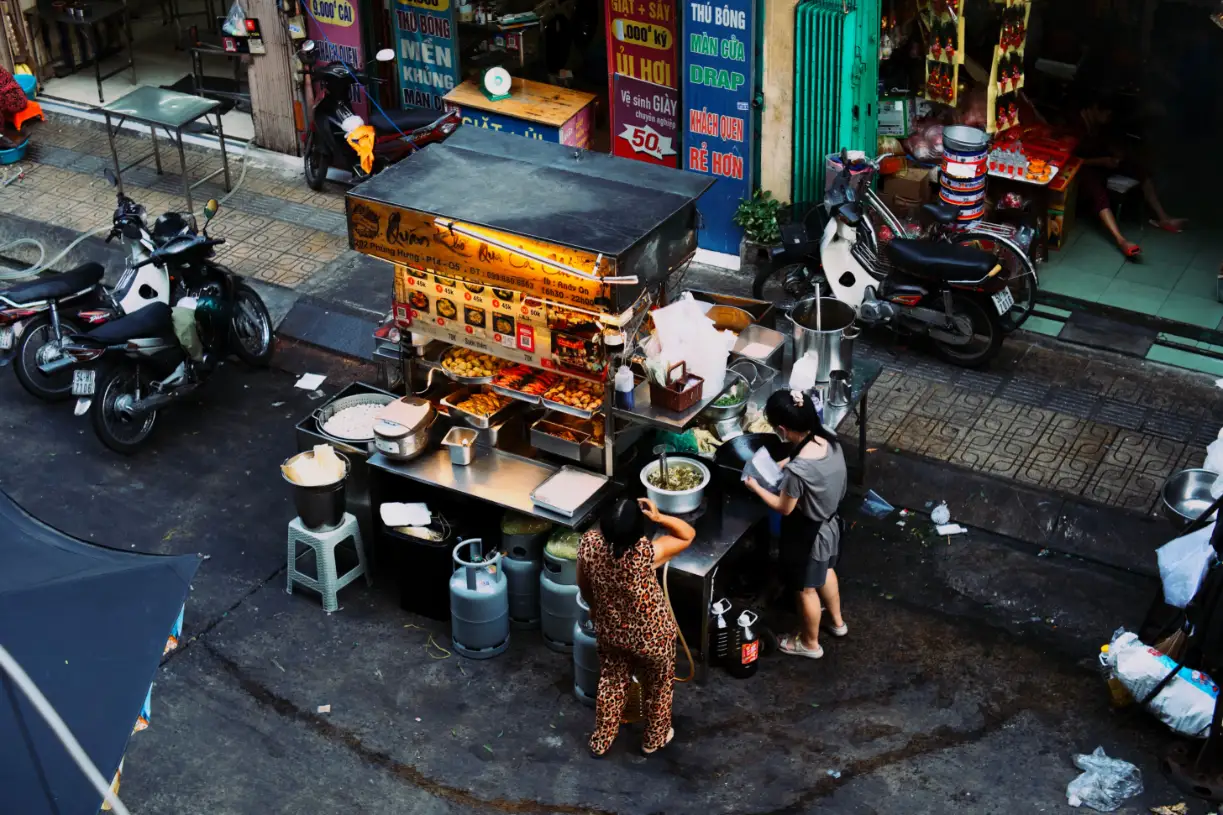

You do not need a food tour to eat well in Hanoi’s Old Quarter. Many of the dishes visitors come to try are easy to find on your own once you know what to look for.
A food tour is useful for a different reason. It lets you try several dishes in a few hours while a guide handles the route and ordering.
So, is a Hanoi food tour worth booking? It depends on whether you mainly want to try the food or also value the extra context and convenience that come with a guide.
What Food Should You Try in Hanoi’s Old Quarter?
There is no single menu that defines a Hanoi food tour. Routes vary between operators, and even the same tour may change its stops depending on opening hours or availability.
Still, there are a few foods worth knowing about before you go.
Bún Chả
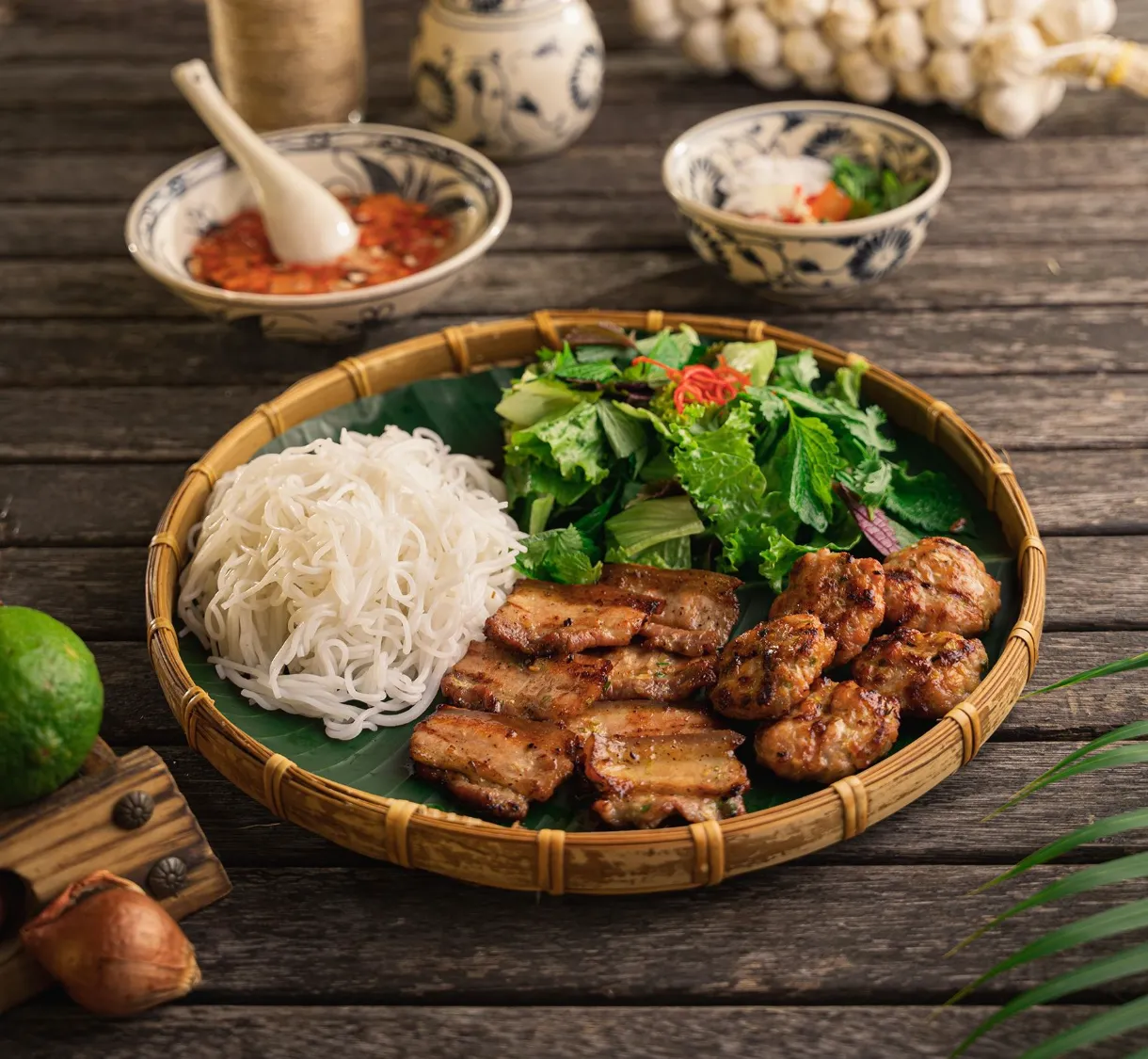
Bún chả is one of the dishes most closely associated with Hanoi. It combines grilled pork, rice vermicelli, fresh herbs and a dipping sauce typically made with fish sauce, vinegar, sugar and other seasonings. The MICHELIN Guide describes it as a Hanoi creation and one of the city’s established specialties.
It is also a good example of where a guide can be helpful. If you have never eaten bún chả before, the separate bowls of noodles, herbs, pork and sauce may not make it immediately clear how everything is meant to be eaten together.
Hanoi-Style Phở
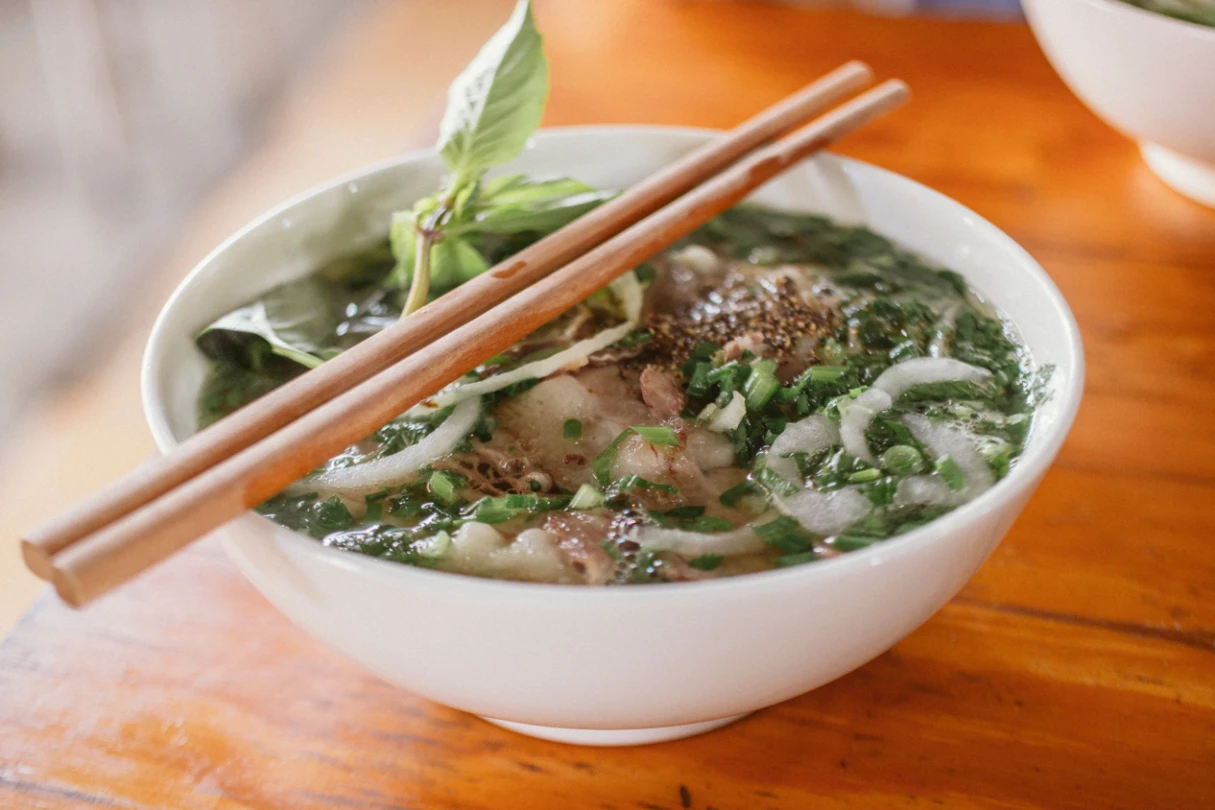
Phở needs little introduction, but eating it in Hanoi gives you a chance to try the northern style of Vietnam’s best-known noodle soup.
Hanoi-style phở is generally lighter and simpler than versions found farther south. Its exact origins are debated, with many historians and food experts pointing to nearby Nam Định rather than Hanoi itself. It is therefore better understood as an important part of Hanoi’s food culture rather than simply a dish invented in the city.
Depending on the tour, you may come across beef phở, chicken phở or another noodle soup rather than one fixed version.
Chả Cá
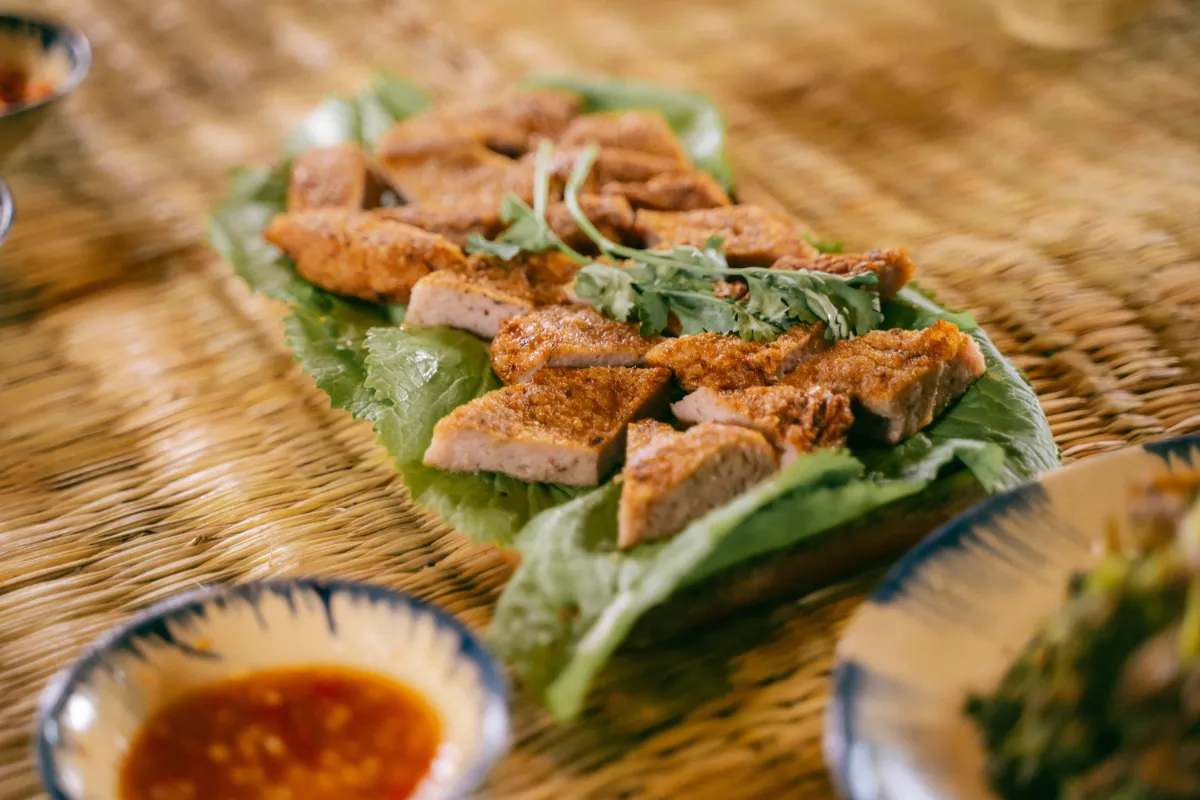
Chả cá is quite different from phở or bún chả. The dish centres on seasoned fish cooked with ingredients such as turmeric and dill, then eaten with noodles, herbs and other accompaniments.
Its strong Hanoi connection makes it particularly relevant on an Old Quarter food tour.
Bánh Cuốn
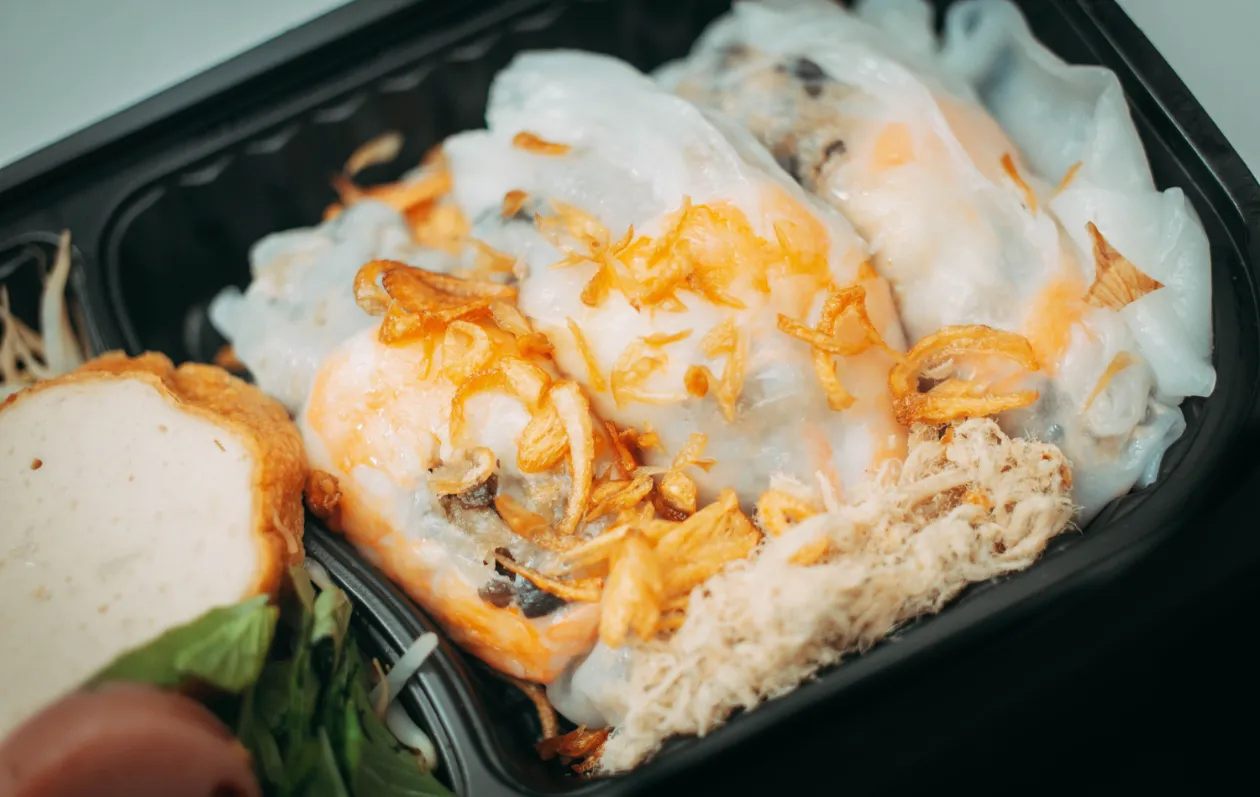
Bánh cuốn are thin steamed rice rolls, commonly filled with minced pork and mushrooms and served with dipping sauce and other accompaniments. MICHELIN-listed bánh cuốn specialists are still part of Hanoi’s street-food scene, including long-running businesses in and around the Old Quarter.
Because the rolls are fairly light, they also work well as one stop on a tasting route rather than a full meal on their own.
Egg Coffee
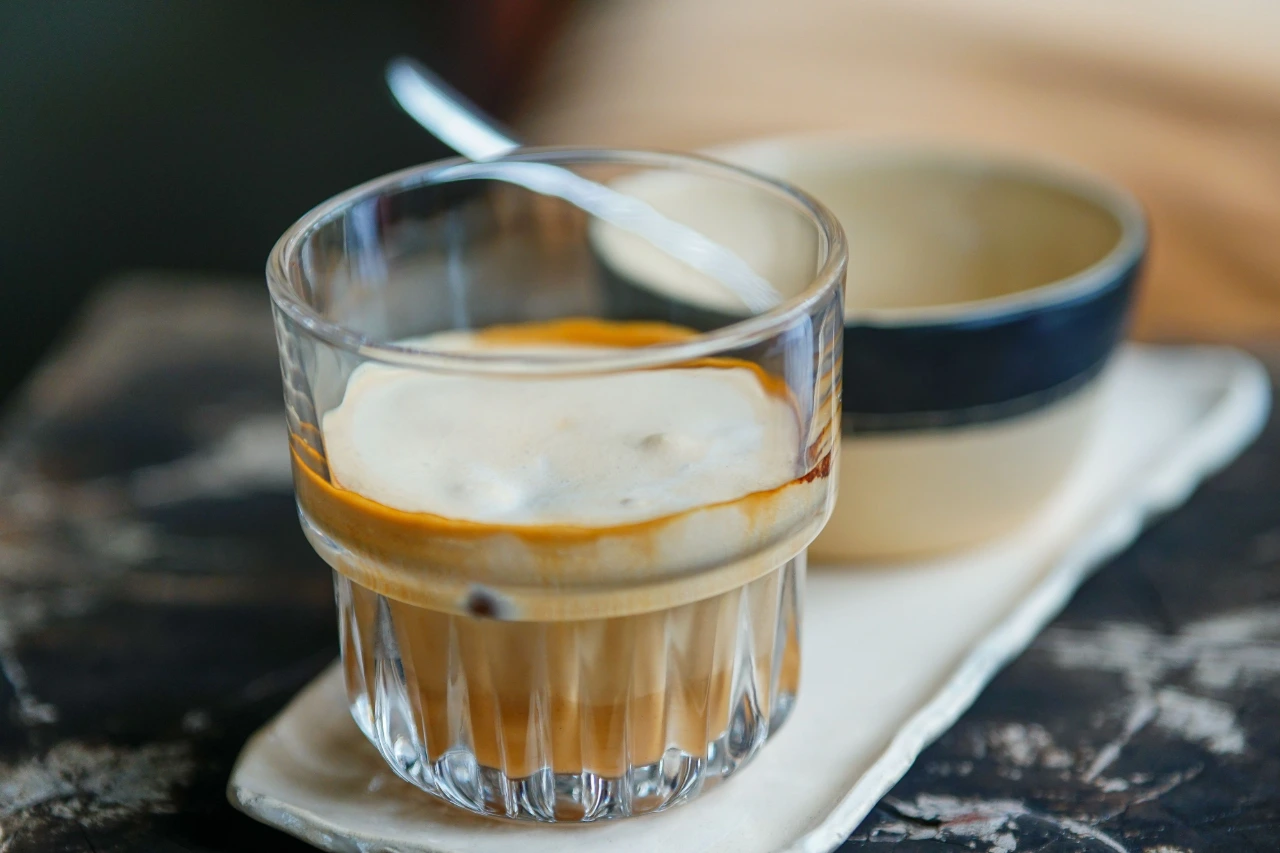
Not every stop needs to involve a bowl or plate. Egg coffee, or cà phê trứng, is strongly associated with Hanoi and often appears towards the sweeter end of a food tour.
Expect a rich coffee topped with a creamy egg mixture rather than something similar to an ordinary milk coffee.
These are not the only foods you might come across. Bánh mì, sticky rice, other noodle dishes, fried snacks and desserts can all appear depending on the route. Treat any advertised food list as an example unless the operator confirms a fixed menu.
What Is an Old Quarter Food Tour Actually Like?
Most Old Quarter food tours are walking tours built around several food stops rather than one long restaurant meal. Around three hours is common, although the exact duration and number of stops vary.
Despite the name “street food tour,” you may not eat only at street stalls. A route may include pavement vendors, small restaurants, specialist food shops and cafés.
At each stop, the guide usually orders for the group, introduces the dish and gives you time to eat before moving on. Some stops may involve small tastings, while others can be much more filling.
On many tours, the combined tastings are enough to replace a meal. Check what the operator says about portions and the number of stops, but in general, it is better to arrive hungry than to book the tour straight after lunch or before another large dinner.
The walking is usually broken up by frequent food stops. For some travelers, the bigger adjustment is the Old Quarter itself: busy sidewalks, traffic, road crossings, heat or rain, and sometimes basic seating at small eateries. Because the weather can change how comfortable the walk feels, it is worth checking the best time to visit Vietnam when you choose your travel dates.
What Does a Food Tour Add Compared With Eating Independently?
The main advantage is not access to food you could not otherwise find.
You can eat bún chả, phở, bánh cuốn and other Hanoi dishes without a guide. What you are really paying for is less uncertainty and more context.
A guide chooses the stops, helps with ordering and explains unfamiliar ingredients or how a dish is normally eaten. This can be especially useful at small eateries with limited menus, little English information or serving styles you may not recognise.
There is also the benefit of variety. Exploring on your own, you might order one large bowl of phở and be full. A tasting tour gives you the chance to sample a wider range of food in one outing.
You may also learn things that are difficult to get from a restaurant list alone, such as why a dish matters in Hanoi, what its different parts are and how people usually eat it.
For someone new to the city, spending a few hours walking through the Old Quarter with a local guide can also make the area feel more familiar afterwards.
That does not mean a guide is essential. If you enjoy researching places, trying unfamiliar food and exploring without a fixed route, much of the practical value of a tour becomes less important.
Which Type of Hanoi Food Tour Should You Choose?
The differences between tours are not only about the dishes. Departure time and group format can also change the experience.
Daytime or Evening?
A daytime tour makes sense if you want to keep your evening free or if the daytime route includes particular dishes or vendors you want to try.
An evening tour fits naturally around dinner and lets you experience the Old Quarter when its streets and eating spots are busy after dark.
Neither option is automatically better for food. Vendors and routes vary between operators, so look at what the tour actually includes rather than choosing only because one is advertised as a night food tour.
Small Group or Private?
A small-group tour is usually enough if you are happy to eat what is offered and move at the same pace as the rest of the group. The social side can also be part of the experience.
A private tour may be more useful if you are travelling with young children, have dietary requirements, need a slower pace or simply want more time with the guide.
But private does not always mean fully customisable. If changing dishes, adjusting the route or accommodating mobility needs matters to you, confirm what can actually be changed before paying extra.
What Should You Check Before Booking?
Before booking, check the duration, number of food stops, dietary options, walking requirements and what is included. Also check whether the advertised menu is fixed or simply an example.
Dietary requirements need more attention than a simple “vegetarian option available” label. Many Hanoi dishes can contain pork, beef, seafood, meat-based broth or fish sauce, so adapting them may involve more than removing visible meat. Some operators can accommodate vegetarian or vegan travellers, but the substitutions and variety will differ.
If you have a strict diet or food allergy, contact the operator before booking and explain your requirements clearly. Ask which dishes or stops would change and, for allergies, whether they can address cross-contact concerns. Do not assume a general statement about dietary accommodation covers your specific needs.
Mobility is another thing to consider. The total walking may not be difficult for most travellers, but busy streets, uneven or blocked pavements, repeated road crossings and low stools at some small eateries can matter more than the distance itself. If this could be an issue, ask about both the walking route and the seating.
Food hygiene is harder to judge from a tour description. A guide may take you to vendors they use regularly, but joining a guided tour cannot guarantee that you will avoid foodborne illness.
Current CDC guidance for Vietnam advises travellers to take care with food and water, including avoiding raw or undercooked meat and seafood.
Food Tour or Explore the Old Quarter Yourself?
Both can work. The better choice depends on how much help you actually want.
|
A food tour may suit you if… |
Exploring independently may suit you if… |
|
It is your first time in Hanoi |
You enjoy researching food places yourself |
|
You want to sample different foods in one outing |
You already know which dishes you want |
|
You are unsure about ordering unfamiliar food |
You are comfortable ordering on your own |
|
You are interested in food culture and explanations |
You mainly want to eat rather than hear the background |
|
You would like some help getting familiar with the Old Quarter |
You prefer wandering without a schedule |
|
You have limited time for food exploration |
You have several days to try dishes across different meals |
A tour gives up some of that freedom in exchange for convenience and guidance.
Is a Hanoi Food Tour Worth It?
A Hanoi food tour is most worthwhile if you want an introduction to both the food and the Old Quarter, rather than simply a way to find somewhere good to eat.
For a first-time visitor, a tour can make Hanoi’s food scene easier to understand and explore. Taking one early in your stay can also be useful because you can use what you learn when choosing meals later.
If you are already comfortable researching restaurants, finding your way around and trying unfamiliar dishes, you can eat very well in the Old Quarter without joining a tour.
The main question is not whether Hanoi’s food is accessible without a guide. It is whether the added guidance, variety and convenience are worth paying for based on how you like to travel.
Frequently Asked Questions
Is it worth doing a food tour in Hanoi?
Yes, if you want to sample several dishes in about three hours with a guide handling the ordering and context. If you prefer to research and order yourself, you can eat very well in the Old Quarter without a tour.
What is the best food tour in Hanoi?
There is no single best tour. Compare the number of stops, group size, dietary options, walking demands and what is included. Check whether the menu is fixed, and read recent reviews before booking.
What is Hanoi famous for food?
Hanoi is best known for bún chả, northern-style phở, chả cá, bánh cuốn and egg coffee. Bánh mì, sticky rice and other noodle dishes are common too, but these five are the ones most closely tied to the city.
Where to go in Vietnam for Food?
Hanoi for bún chả, chả cá and northern phở; Huế for bún bò Huế; Hoi An for cao lầu; and Ho Chi Minh City for broken rice (cơm tấm), bánh xèo and southern-style dishes. Each region eats differently.
What do Vietnamese eat for breakfast?
Common breakfasts include phở, bánh mì, xôi (sticky rice), bánh cuốn and rice porridge (cháo). In Hanoi, a bowl of phở or a bánh mì is a typical quick option, often followed by coffee.
How much does a Hanoi street food tour cost?
Group walking food tours in Hanoi commonly cost about US$20–50 per person for roughly three hours. Budget tours can be cheaper, while private or motorbike tours cost more. Check what food, drinks and pickup are included.