Navigation
How to Book a Luxury Ha Long Bay Cruise Without Paying Five-Star Prices
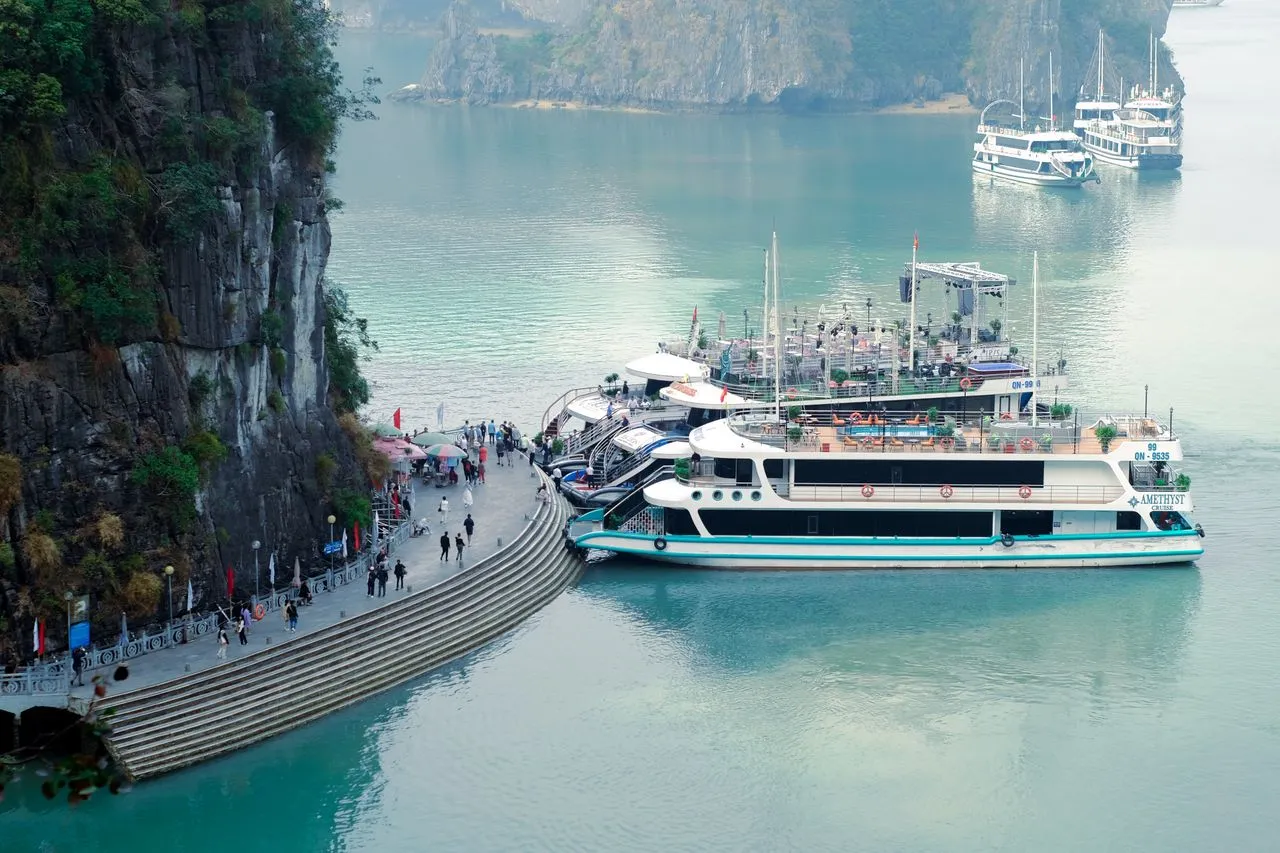

Ha Long Bay is often treated as a quick sightseeing stop in Vietnam. But stay overnight on the water, and the experience changes completely.
You can wake up to limestone islands outside your private cabin, have breakfast overlooking the bay, kayak through quiet lagoons, and return to a comfortable cabin after dinner. The surprising part is that you do not necessarily need a five-star hotel budget to get that experience.
Ha Long Bay has become one of Southeast Asia's more accessible places to try a premium cruise. A well-chosen 2-day, 1-night cruise can combine a private cabin, meals, guided activities, and onboard facilities for considerably less than a comparable luxury experience in many Western destinations.
The trick is knowing what you are actually paying for.
What does a luxury Ha Long Bay cruise really cost?
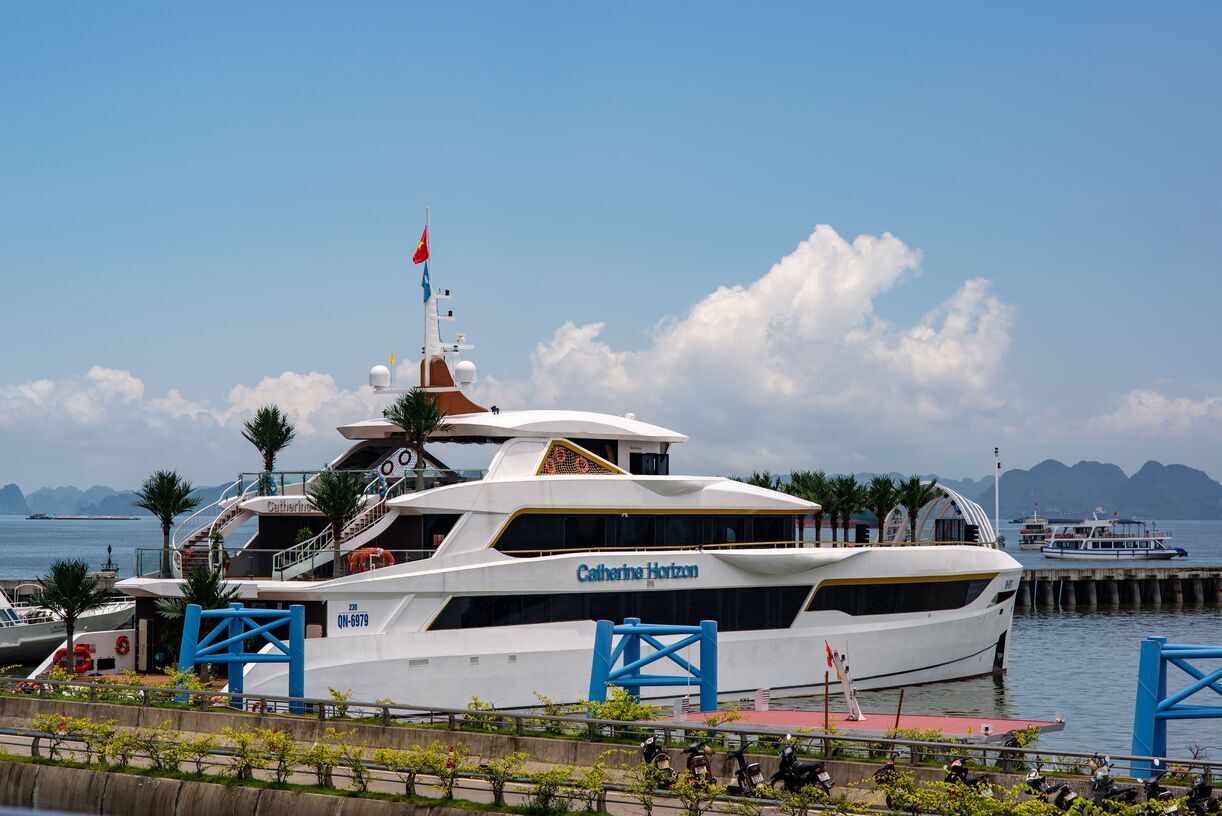
First, a small clarification about cruise pricing.
Most Ha Long Bay cruise fares are quoted per person for the complete 2-day/1-night itinerary, usually based on two people sharing a cabin. They are not normally quoted as a hotel-style nightly rate.
Current listings show just how wide the range can be. Some 2D1N cruises are advertised from around US$45 per person, while a 4-star option can be around US$125, and some 5-star cruises start around US$145–200 or more. Prices change with the cruise, cabin category, season, and booking date.
That means you should compare what is included, rather than simply looking for the lowest headline price.
|
Cruise level |
Typical experience |
What you may get |
|
Budget |
Simple overnight boat |
Private cabin, meals, basic activities, and sightseeing |
|
Mid-range |
Comfortable modern cruise |
Better cabin, private bathroom, improved dining, and organized excursions |
|
Premium / 4-star |
Boutique hotel feel |
Larger cabins, balconies on some vessels, better dining, and more onboard facilities |
|
5-star |
Full luxury experience |
Spacious suites, private balconies, premium dining, pools, spas, and more refined common areas |
These categories overlap, so the star rating alone should not determine your choice.
For example, a current 4-star Phoenix 2D1N listing starts around US$125 and includes a private cabin, meals, and activities such as cave visits and kayaking. At the higher end, current 5-star listings include options around US$147–200, with private balconies, premium dining, and facilities such as pools or spas on some vessels.
So the real opportunity is not finding a "cheap five-star cruise." It is finding the best value cruise for the level of comfort you actually want.
The affordable-luxury sweet spot
For most travelers, the sweet spot is somewhere in the middle.
You probably do not need a huge suite, a private yacht, or every possible onboard facility. What makes an overnight Ha Long Bay cruise feel luxurious is often much simpler:
- A comfortable private cabin
- A balcony or large window
- A good bathroom
- Quality meals included in the itinerary
- A smaller or well-managed vessel
- Interesting excursions
- Enough deck space to enjoy the scenery
- Reliable transfers between Hanoi and the port
This is why it can be worth spending a little more on the cabin and cruise itself while skipping unnecessary extras.
A cruise that costs US$40 less but has a cramped cabin, inconvenient departure point, and poor transfer arrangement may not actually be better value.
On the other hand, paying considerably more for facilities you will barely use may not improve your experience either.
Think about the parts of the trip you will actually remember.
Private balcony or basic cabin?
If you are trying to create a luxury experience without paying luxury-hotel prices, the cabin is one of the best places to spend your money.
A private balcony changes the experience because you can enjoy the scenery without having to stay on the shared sun deck. Some premium vessels now offer balconies across their cabin categories.
For example, the current Indochine Premium listing has balconies across its 37 cabins, along with a fine-dining restaurant, swimming pool, spa, and other onboard facilities.
But do not assume every "luxury" cabin has a balcony.
Always check:
- Whether the balcony is genuinely private.
- Which cabin categories include it.
- Whether the cabin faces the bay or has a restricted view.
- The actual cabin size.
- Whether the bathroom is private.
- Whether the listed price is per person or per cabin.
This is especially important when comparing cruise websites. Two cruises can both call themselves "5-star" while offering very different cabin experiences.
Don't forget the food
Food is another area where the difference between cruise categories becomes noticeable.
Most overnight cruises include meals in the base fare, but the style varies considerably. Budget boats may focus on straightforward Vietnamese meals, while higher-end vessels may offer multi-course dining, seafood, and more elaborate menus.
Some premium cruises now market their dining as part of the experience rather than simply something included with the cabin.
That does not mean you need to book the most expensive ship.
If food matters to you, look at the actual dining setup, sample menus, and recent guest feedback instead of relying on phrases such as "gourmet" or "fine dining."
Hanoi to Ha Long Bay: make the transfer part of the plan
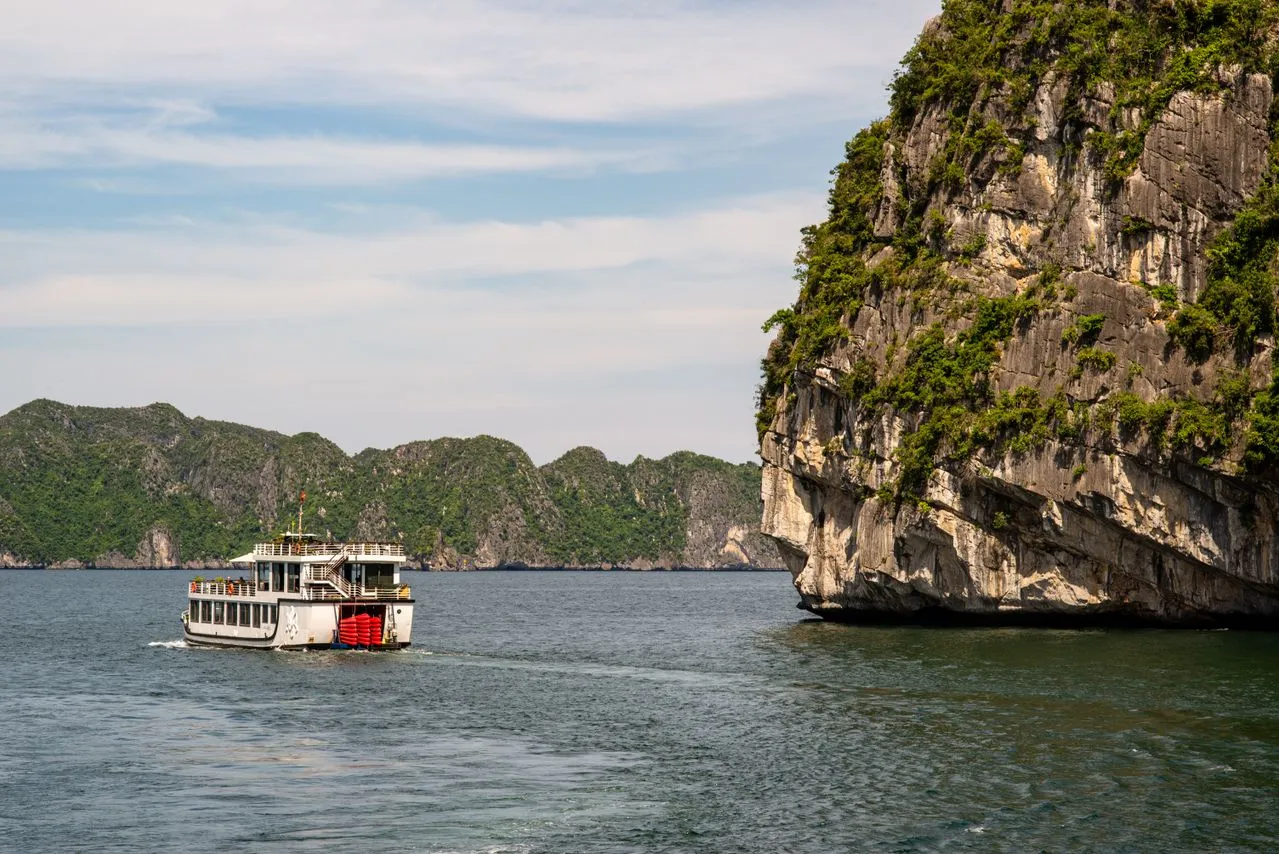
One of the easiest ways to make a good cruise feel stressful is to get the transfer wrong. Before departing from Hanoi, make sure your entry documentation and Vietnam travel requirements are sorted. Most visitors arriving from Hanoi then use a cruise package or separate shuttle service to reach the departure port.
Most visitors coming from Hanoi use a cruise package or separate shuttle service to reach the departure port. Vietnam Tourism notes that packaged cruises commonly include transportation between Hanoi and Ha Long, while independent travelers can also reach Ha Long City and continue to the port by taxi.
The road journey is now much easier than it used to be because of the Hanoi–Hai Phong–Ha Long expressway. In practice, allow roughly 2.5 to 3 hours from Hanoi for a comfortable transfer, depending on the exact port, pickup location, and traffic.
Tuan Chau: common for Ha Long Bay cruises
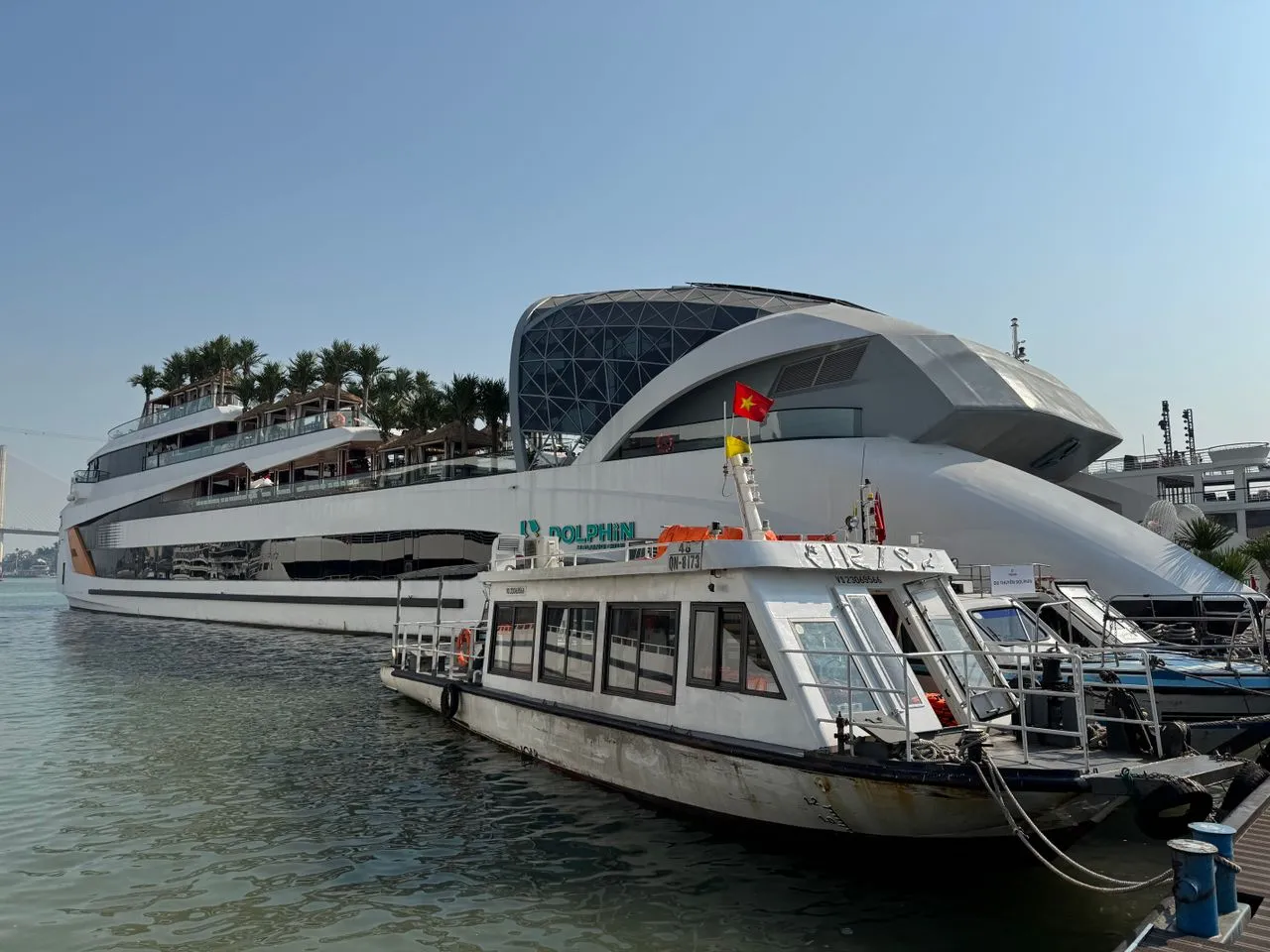
Tuan Chau International Marina is one of the major departure points for Ha Long Bay cruises.
If your cruise leaves from Tuan Chau, check whether your fare includes:
- Hotel pickup in Hanoi
- Door-to-door pickup or a designated meeting point
- Shared limousine or private vehicle
- Luggage handling
- Return transfer after the cruise
A shared limousine is usually enough for couples and solo travelers who want comfort without paying for a private vehicle.
For families, groups, or travelers with a tighter schedule, a private car can make more sense.
Got Harbour: important for Lan Ha Bay cruises
If you choose a Lan Ha Bay cruise, the departure point may be Got Harbour in Cat Hai, Hai Phong, rather than Tuan Chau. This distinction matters.
A Lan Ha itinerary can look almost identical to a Ha Long itinerary when you are browsing online, but the departure logistics can be completely different. Several Lan Ha cruises use Got Pier, with operators arranging Hanoi transfers by limousine or private vehicle.
A typical Hanoi-to-Got-Harbour transfer takes around two to two-and-a-half hours under normal conditions, although you should always follow the cruise operator's stated pickup time.
Do not book a private transfer until you know the exact cruise departure point.
Tuan Chau, Ha Long International Cruise Port, and Got Harbour are not interchangeable. Give your driver the exact port and cruise name rather than simply saying "Ha Long Bay."
If you would rather not coordinate the cruise, vehicle, and pickup times yourself, a travel company such as Advensa Travel can arrange the cruise and private transfer as one itinerary.
Ha Long Bay vs Lan Ha Bay vs Bai Tu Long Bay
The three bays can look remarkably similar in photographs. The experience can still be different.
Ha Long Bay: the classic choice
Ha Long Bay is the famous one for a reason.
It has the dramatic limestone formations that most people associate with Vietnam, along with well-known attractions such as Sung Sot Cave and Titov Island.
It is the best choice if this is your first visit and you want the classic Ha Long Bay experience.
The trade-off is that it is also the most established and heavily visited option.
Lan Ha Bay: a quieter luxury alternative
Lan Ha Bay lies around Cat Ba Island and offers a similar landscape of limestone karsts, islands, and sheltered waters.
Vietnam Tourism describes it as a quieter alternative, with lagoons and secluded beaches that work particularly well for kayaking and swimming.
For travelers who care more about a relaxed atmosphere than ticking off every famous Ha Long attraction, Lan Ha can be an excellent choice.
Many newer premium cruises operate in this area, and Got Harbour is an important departure point.
Bai Tu Long Bay: for a more remote feel
Bai Tu Long Bay is northeast of Ha Long Bay.
Vietnam Tourism specifically recommends it for travelers who want a more out-of-the-way experience. It has the same broad limestone landscape but generally feels less focused on the main Ha Long tourist circuit.
If your definition of luxury is space, quiet, and fewer distractions, Bai Tu Long Bay may be more appealing than simply choosing the most expensive ship.
How to avoid paying a tourist-trap markup
A higher price does not automatically mean a better cruise. Before booking, compare at least three things:
The cruise itself. Look at the vessel, cabin category, launch date, facilities, and itinerary.
The inclusions. Check meals, entrance fees, kayaking, transfers, drinks, tips, and other extras.
The booking terms. Look at cancellation rules, weather policies, and whether the advertised price is promotional.
Also check the cruise operator's own website against reputable booking platforms.
You may find a promotional rate on one platform, while another offers a better package once transfers or other inclusions are added.
And do not be afraid to ask exactly what you are buying.
A useful question is: "What is included in this price from Hanoi pickup to the end of the cruise?"
That single question can reveal a lot of hidden costs.
When should you book?
Timing affects both price and the experience on the water.
Vietnam Tourism recommends April to June and September to November as good periods for visiting Ha Long Bay, while noting that June to August can bring storms and unpredictable conditions. December to March can be cooler, mistier and cloudier. If you are aligning your cruise with other destinations across the country, check our guide on the best time to visit Vietnam to see how weather varies across the northern, central, and southern regions.
The weather also matters because tropical storms can affect cruise operations.
For popular dates, especially weekends, holidays and peak travel periods, booking earlier gives you more choice of cabins.
If your dates are flexible, however, you can sometimes find better promotional rates by comparing several departure dates.
The best approach is not simply "book as early as possible."
It is: Choose the right cruise first, then compare the price across several suitable dates.
1 night or 2 nights?
For a first visit, a 2-day/1-night cruise is usually the practical starting point.
It gives you an afternoon and evening on the bay, an overnight stay and another morning before returning to shore.
A 3-day/2-night itinerary makes more sense if you want more time away from the main tourist schedule, a slower pace or a more extensive itinerary.
A simple formula for affordable luxury
If you want the luxury experience without paying for everything marketed as luxury, use this formula:
Spend more on the cabin + cruise quality + transfer.
Spend less on unnecessary extras.
A good itinerary might look like this:
Morning: Private or premium shared limousine from Hanoi
Midday: Check in at Tuan Chau or Got Harbour
Afternoon: Lunch, cruising and a guided excursion
Late afternoon: Kayaking, swimming or sightseeing
Evening: Sunset on deck and dinner
Night: Private cabin with a balcony
Next morning: Breakfast, another excursion and relaxed cruising
Late morning: Return to port and transfer back to Hanoi
That can feel like a luxury escape without requiring a luxury-resort budget.
Final tip: choose the experience, not the star rating
The best Ha Long Bay cruise is not necessarily the one with the highest rating or the biggest ship.
It is the one that matches what you actually want.
If you want iconic scenery, start with Ha Long Bay.
If you prefer quieter waters and more time kayaking or swimming, look at Lan Ha Bay.
If peace and a less developed feel matter most, consider Bai Tu Long Bay.
Then compare the cabin, dining, itinerary, inclusions and transfer arrangements before looking at the price.
And remember that a luxury experience is not always about paying more. In Ha Long Bay, it can simply mean choosing well.
If you are combining a Ha Long Bay cruise with Hanoi or other parts of Vietnam, Advensa Travel can help build the cruise, accommodation and transfers into one customised itinerary rather than making you coordinate each part separately. Advensa currently offers Hanoi and Northern Vietnam travel plans and cruise-focused travel options.
The goal is simple: spend your money on the parts of the trip you will actually enjoy, and skip the rest.