Navigation
Uluwatu Temple & Sunset Tour Guide (2026)
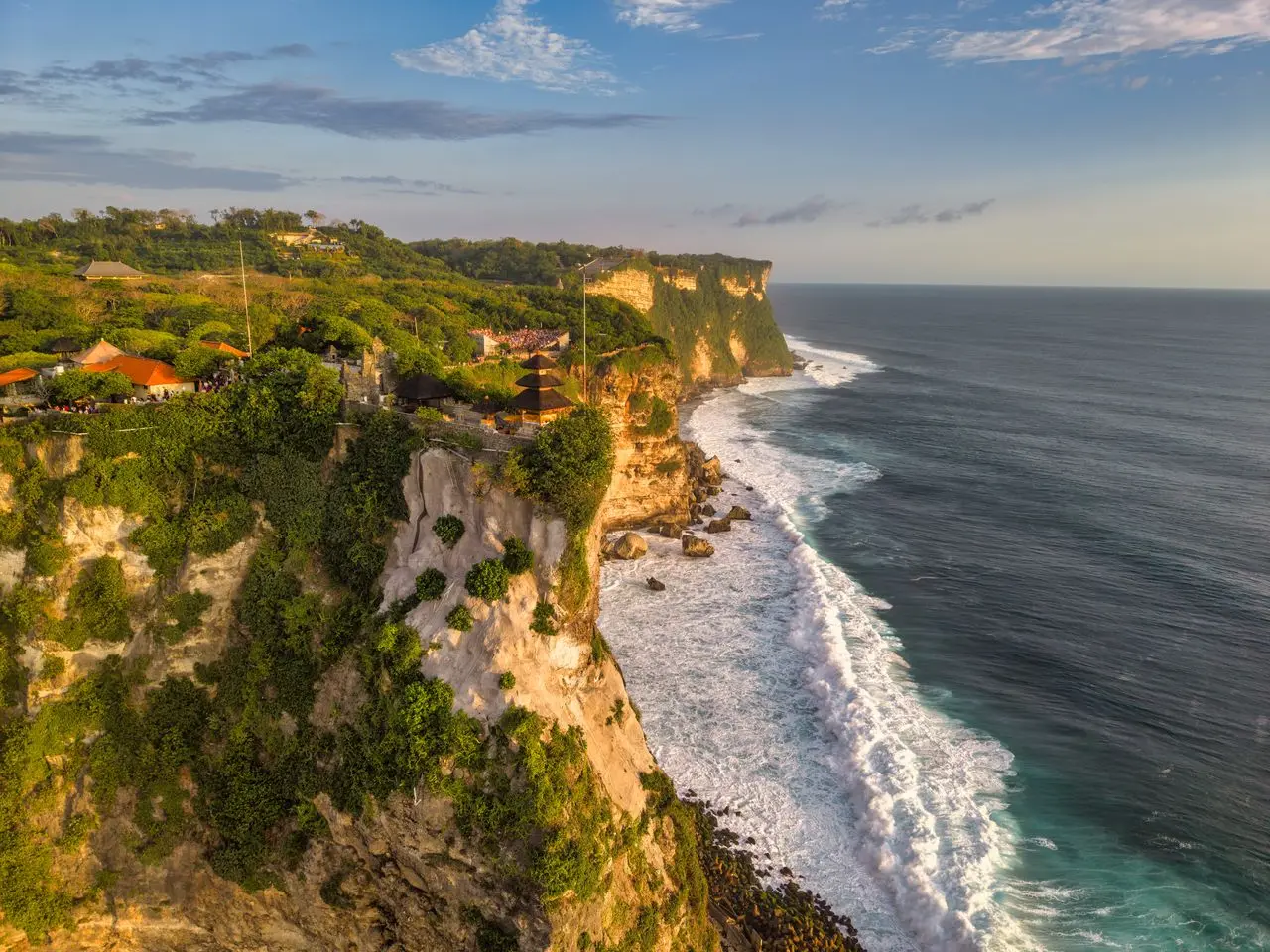

Uluwatu Temple is easiest to plan as a late-afternoon and evening outing, especially if you want to stay for the Kecak dance at sunset.
The temple itself does not take an entire day. The bigger time commitment comes from getting there, exploring the cliffside grounds, arriving early enough for the performance, and travelling back afterwards.
So rather than trying to squeeze several South Bali attractions into the same afternoon, it is usually better to leave enough time for the part of Uluwatu you actually want to enjoy.
Is Uluwatu Temple and the Kecak Dance Worth It?
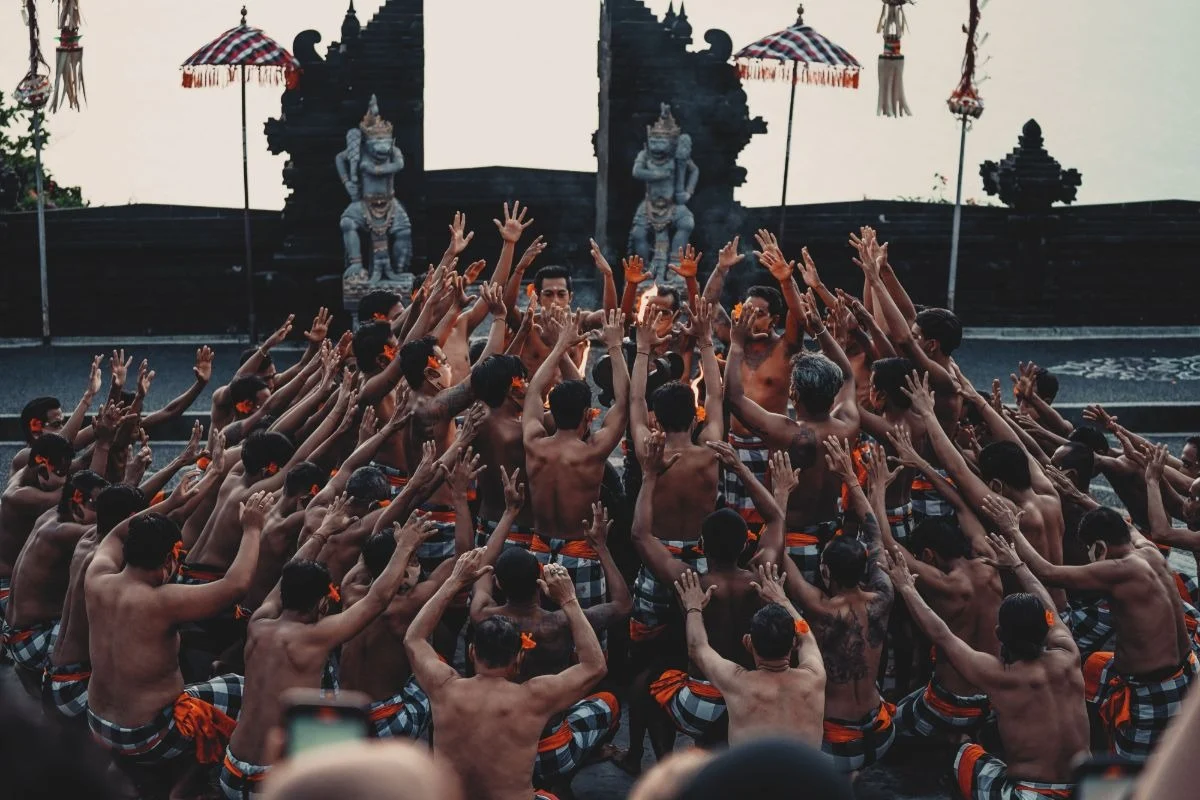
For many first-time visitors, yes. Uluwatu brings together three experiences naturally: a significant Balinese Hindu temple, dramatic ocean cliffs, and an open-air Kecak performance around sunset.
It is also one of Bali's popular evening attractions. If you are expecting a quiet temple and an uncrowded sunset, the experience may be busier than you imagine.
Uluwatu Is a Strong Choice If You Want...
Uluwatu works particularly well if you want to combine sightseeing with a cultural performance without giving up a full day.
The temple sits on cliffs around 70 meters above the Indian Ocean, and the setting is a big part of its appeal. It is also an active religious site, not simply a coastal viewpoint, which gives the visit more context than stopping at a lookout alone.
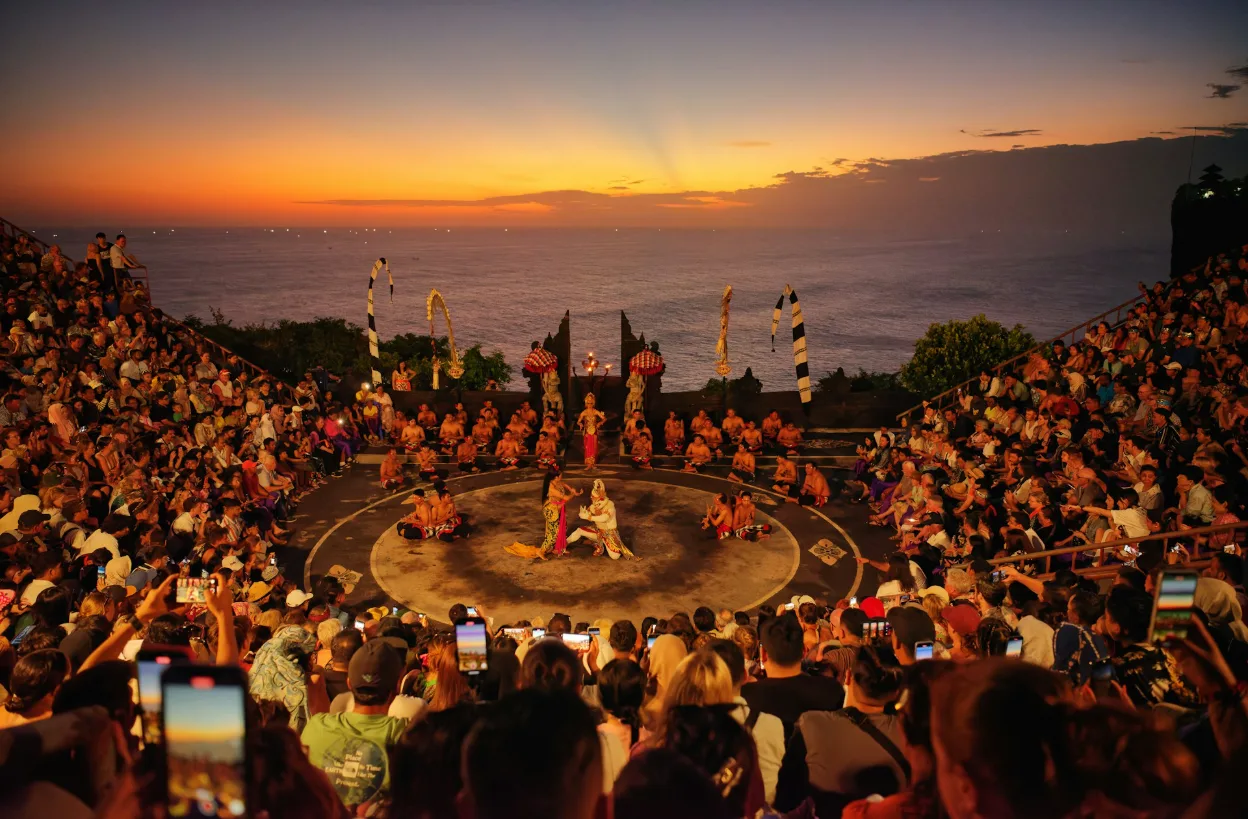
Staying for Kecak adds another layer to the experience. Unlike many Balinese performances that use a gamelan orchestra, Kecak is built around the rhythmic chanting of a male chorus, while scenes from the Ramayana are performed in the center. At Uluwatu, the amphitheater places the performance against the evening sky and ocean.
It works especially well if you want one well-planned South Bali afternoon rather than a long list of unrelated stops.
You May Prefer Something Else If...
Uluwatu may not be the best choice if heavy crowds significantly affect your enjoyment.
The sunset and Kecak period is the busiest part of the visit, so travelers expecting a quiet temple experience may prefer visiting earlier without the performance.
The visit also takes more planning if you are coming from Ubud, Canggu, or farther north in Bali.
And if neither temples nor cultural performances interest you very much, there is little reason to visit simply because Uluwatu appears on many Bali itineraries.
Temple Only vs. Temple + Kecak
You do not have to watch the Kecak dance for Uluwatu to be worth visiting.
A temple-only visit is a good option if your main interests are the cliffs, temple grounds, and coastal scenery. You also have much more freedom over when you arrive and leave. Visiting outside the main sunset period can suit travelers who prefer a less structured experience.
Choose the temple + Kecak combination if the performance is one of the main reasons you are going. In that case, build the afternoon around reaching Uluwatu with enough time rather than hoping to add the dance once you arrive.
Temple admission and Kecak tickets are separate, so the performance is optional rather than part of the standard temple visit.
How to Time Your Uluwatu Sunset Visit

Timing matters at Uluwatu because several parts of the visit compete for the same late-afternoon period.
Arrive too early and you may spend a long time waiting for the performance. Arrive too late and you may end up rushing through the temple or have less flexibility with tickets and seating.
How Much Time Should You Allow?
If you are staying for Kecak, think of Uluwatu as a substantial afternoon and evening outing, not a quick one-hour temple stop.
Your plan needs to account for the drive to Uluwatu, the entrance and walking time, the wait before Kecak, the performance itself, and the journey back afterwards.
The temple is currently open daily from 7:00 am to 7:00 pm. The official site recommends arriving before 5:00 pm if you want time to explore before the evening Kecak performance.
How much of the day Uluwatu takes will depend far more on where you are staying and Bali's traffic than on the amount of time spent inside the temple itself.
When Should You Arrive for Temple + Kecak?
For the usual sunset visit, aiming to arrive before 5:00 pm is sensible.
The official Kecak information currently lists the performance from 6:00 pm to 7:00 pm daily, with the venue gate opening at 4:00 pm. Visitors are advised to arrive at least one hour before the show.
You do not need to sit in the amphitheater as soon as you reach Uluwatu. Arriving early simply gives you enough time to enjoy the temple without rushing to the performance afterwards.
Allow time to enter, settle in, and walk around part of the cliffside grounds and then make your way towards the Kecak venue comfortably.
If you are skipping Kecak, you do not need to plan your visit around the 6:00 pm performance and have much more flexibility over when you arrive.
A Realistic Temple + Sunset + Kecak Sequence
A typical afternoon could look like this:
|
Time |
What to do |
|
4:30–5:00 pm |
Arrive at Uluwatu Temple |
|
5:00–5:30 pm |
Explore the temple and cliffside grounds |
|
Around 5:30 pm |
Head towards the Kecak venue and get settled |
|
6:00–7:00 pm |
Watch the Kecak performance around sunset |
|
After 7:00 pm |
Leave for dinner or return to your hotel |
You do not need to follow these times exactly. Leave some room for traffic, ticketing, and crowds so the afternoon does not feel rushed.
If a 20- or 30-minute traffic delay would throw off the whole plan, you have probably packed too much into the afternoon.
Getting to Uluwatu and Back: Choose the Right Transport Setup
Transport deserves almost as much thought as the temple visit itself.
It is not just about how you will get there. You also need to consider how you will leave once the Kecak performance ends and many visitors begin heading out at roughly the same time.
Your Starting Area Changes How Big the Outing Feels
When choosing where to stay in Bali, base locations like Uluwatu, Jimbaran, or Nusa Dua make this outing much easier to fit into a single afternoon.
From Kuta or Seminyak, it is still practical, but leave a reasonable buffer instead of relying on a map estimate based on quiet traffic.
From Canggu, the travel time becomes more noticeable.
From Ubud, Uluwatu is better planned as a proper South Bali outing rather than something you add after a full day of sightseeing elsewhere.
Exact driving times are difficult to rely on because traffic can change the journey significantly. Recent visitor reports mention heavy traffic and delayed arrivals even from parts of South Bali such as Nusa Dua. Give yourself some margin rather than planning around the fastest possible drive.
Independent Rides vs. Private Driver vs. Organized Tour
There is no single transport option that works best for everyone.
|
Option |
Best suited to |
Main trade-off |
|
Independent transport |
Travelers who want maximum flexibility and already understand their route |
You handle tickets, timing and the return journey yourself |
|
Private driver |
Travelers combining Uluwatu with another South Bali stop or wanting a planned pickup afterwards |
Costs more than arranging individual rides |
|
Organized sunset tour |
Travelers who prefer to have transport and timing arranged together |
Less control over the route, pace and inclusions |
Plan the Return Journey Before the Show
It is easy to focus entirely on getting to Uluwatu and only think about the return journey afterwards.
That can be inconvenient because many people leave at the same time after Kecak. Recent visitor reports regularly mention both evening traffic and large crowds leaving around the performance.
If you have a private driver, agree on a meeting point before the show.
If you are arranging your own transport, have a rough plan for getting back before you enter the amphitheater instead of figuring it out once the performance ends.
This is particularly useful if you are returning to Canggu, Seminyak, or Ubud, where you still have a fairly long journey ahead.
What Can You Combine With Uluwatu Without Rushing the Sunset?
Uluwatu is often included as one stop in a much larger South Bali sightseeing day.
That can work, but instead of asking how many attractions can fit before sunset? Think about how many you can visit without making Uluwatu feel rushed.
One Nearby Stop Before Uluwatu Usually Works Best
If you want to add something else to the afternoon, one nearby South Bali stop is usually easier to manage than a long sightseeing circuit.
It could be a beach, another attraction on the Bukit Peninsula, or simply a relaxed lunch before heading towards the temple. For couples, pairing an early coastal stop with the evening show is easily one of the most romantic experiences you can include in a South Bali day trip.
This gives you some flexibility. If traffic takes longer than expected, you can shorten the earlier stop without sacrificing the main Uluwatu visit.
When Several Stops Become Too Much
A plan like this can look manageable at first:
beach → second beach → lunch → sightseeing attraction → Uluwatu → Kecak
But once you add parking, walking, waiting, and traffic between each stop, the afternoon can become rushed very quickly.
The Kecak performance is fixed to a specific time, which makes it the least flexible part of the day.
If Kecak is one of your priorities, plan the earlier stops around it. It is usually better to enjoy one place properly than spend the whole afternoon checking the time and rushing to the next stop.
Avoid Pairing Two Sunset-Dependent Attractions
Two attractions that are both best at sunset rarely work well on the same day.
You cannot enjoy the same evening light in two places, and rushing between them defeats much of the reason for visiting either one.
Like many famous touristy attractions, sunset spots demand patience; schedule other popular sites for a different day rather than squeezing Uluwatu in as a quick stop.
Does Dinner After Kecak Make Sense?
Dinner is much easier to add because it comes after sunset rather than competing with it.
Jimbaran is a common choice because it fits naturally into many South Bali routes, but you do not need to include it for the evening to feel complete.
Whether dinner makes sense depends on your appetite, where your hotel is, and how long your day has already been.
If you are returning to Ubud or Canggu, a long dinner stop can make the evening considerably later. If you are staying in Jimbaran or Nusa Dua, it is a much easier addition.
What Should You Book or Check Before You Go?
Practical details around Uluwatu can change, so it is worth checking them again shortly before your visit.
Opening hours, admission fees, performance times, and ticket arrangements are the main things to confirm.
Temple Entry and Kecak Tickets Are Separate
As of September 2026, the official Uluwatu Temple website lists international visitor admission at:
IDR 60,000 for adults and IDR 40,000 for children.
The official Kecak page separately lists:
IDR 150,000 for adults and IDR 75,000 for children aged 2–9.
Temple admission does not include the Kecak performance.
The Kecak page also states that parking and area entrance charges are not included in the performance ticket.
Because prices can change, check the official site again before your visit rather than relying on an older travel article.
Check the Current Kecak Schedule
The official schedule currently shows one daily performance from 6:00 pm to 7:00 pm.
You may find other websites or recent reviews mentioning an additional later performance on busy days. However, the official published schedule does not currently show a second performance as a guaranteed daily option.
If missing the 6:00 pm show would affect your plans, confirm the current schedule before heading to Uluwatu.
Should You Book Kecak in Advance?
If Kecak is one of the main reasons for your visit, booking ahead can remove some uncertainty.
The official site says tickets can sell out quickly during busy periods and mentions both an official ticket booth and online reservations through external platforms.
Recent traveler reports also mention arriving and finding that the popular sunset performance was already unavailable.
You do not necessarily need to book far in advance. But if you are visiting on a busy date or have planned the whole afternoon around the 6:00 pm show, leaving the ticket until the last minute adds unnecessary risk.
What to Expect Once You Arrive
Once your transport and timing are sorted, the visit itself is fairly straightforward.
The main things to know beforehand are the walking conditions, temple etiquette, monkeys, and what the Kecak amphitheater can feel like when it gets busy.
Walking, Cliffs, and Heat
Uluwatu is not a difficult hike, but you will be walking around an exposed cliffside temple complex rather than stepping out of a vehicle at a single viewpoint.
Allow enough time to walk comfortably, especially in the late-afternoon heat.
Be careful around the cliffs as well. The temple's own visitor guidance warns against sitting or climbing on boundary walls because of the steep drops.
Comfortable footwear helps, especially if you want to explore the grounds before sitting through the performance.
Dress and Temple Etiquette
Uluwatu is still an active Hindu temple, so visitors are expected to dress and behave respectfully.
The official temple currently requires visitors to wear a sarong and sash, which are provided at the entrance without an additional rental charge. Its visitor guidance also asks for modest clothing and respectful behavior.
Some parts of the temple remain restricted to worshippers or authorized visitors. Follow the signs and staff directions rather than assuming the entire complex is open for sightseeing.
You do not need to memorize a long list of temple rules. Just remember that you are sightseeing inside an active religious site.
The Monkeys: What Actually Matters
The monkeys at Uluwatu are not a reason to avoid the temple, but you should pay attention to loose belongings.
The temple advises visitors to secure phones, cameras, glasses, hats, and bags and not to feed, touch, or disturb the monkeys.
Before entering, put away anything you do not need.
If you wear prescription glasses, simply taking them off may not be practical. A secure strap or case can help, and you can also ask staff for current advice when you arrive.
There is no need to be frightened of the monkeys. Just avoid making phones, glasses, or other loose items easy for them to grab.
Crowds and Kecak Seating
The Kecak amphitheater can feel much busier than the relatively open temple grounds.
The official site lists a capacity of up to 1,200 spectators and recommends arriving early for better seating. The amphitheater also uses stone seating.
Recent reviews often describe the performance as engaging and worthwhile while also mentioning tight seating, crowds, and people moving around as the venue fills.
That trade-off is worth knowing before you book.
If seeing Kecak at sunset matters to you, the crowd may simply be part of the experience. If you strongly dislike dense seating and busy attractions, you may enjoy visiting the temple without the performance more.
Mobility and Comfort Considerations
The official temple website lists wheelchairs among the facilities available for elderly and disabled visitors. However, it does not provide enough detail to assume that every cliffside path, viewpoint, or part of the amphitheater is equally accessible.
If mobility is an important consideration, contact the temple or your tour provider beforehand and ask specifically about the parts of the site you want to visit.
Comfort during Kecak is worth considering too. The venue has stone seating, can become crowded, and may involve waiting before the performance begins. If prolonged sitting, heat, or dense crowds are difficult for you, factor that into your plans beforehand.
Plan the evening around what matters most to you. If Kecak is the main reason for visiting, keep the late afternoon free, arrive with time to spare, and avoid packing too many stops into the day. If you care more about the temple and cliffs, skipping Kecak is completely reasonable and gives you much more flexibility.
For travelers who prefer to include Uluwatu within an organized short Bali itinerary, Advensa's current Bali Express plans include Uluwatu Temple and sunset Kecak in selected itineraries.