Navigation
Best Time to Visit Bali: Weather, Seasons & When to Book
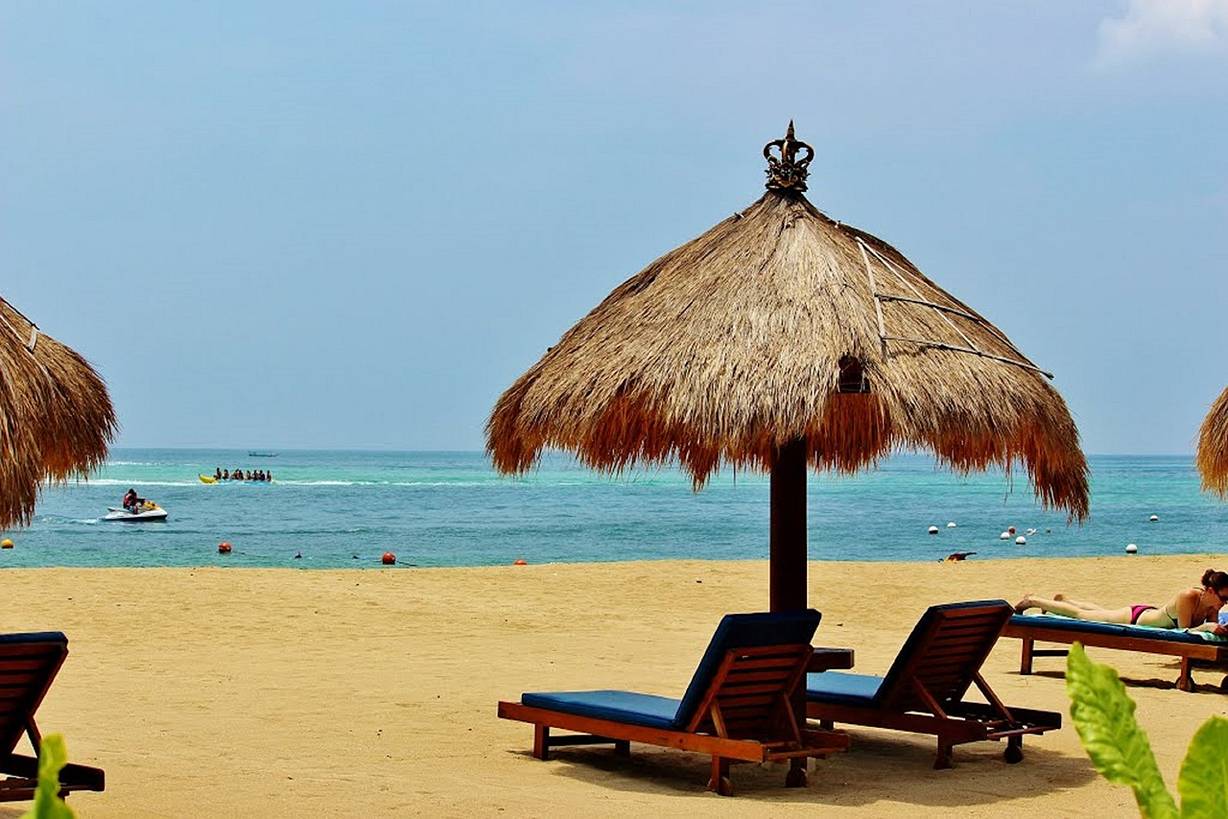

The best time to visit Bali depends on what matters most to you. Bali is warm year-round, but rainfall, humidity, crowds and booking demand change throughout the year.
If you want the best chance of dry weather, July and August are good options, but they are also among the busiest months. For many travelers, May, June and September offer a better balance of good weather and lighter crowds. The wetter months can also be a good time to visit if you do not mind more unpredictable rain and prefer greater flexibility.
Weather is not the only factor to consider. Christmas and New Year, for example, fall during the wetter season but are still very busy.
This guide explains how Bali's seasons affect your trip, what to expect throughout the year and when it may be worth booking earlier.
Best Time to Visit Bali at a Glance
The best choice depends on whether you prioritize dry weather, fewer crowds or booking flexibility. Here is the quick comparison.
|
If you care most about... |
When to consider visiting |
Main trade-off |
|
A balance of good weather and fewer crowds |
May, June or September |
Not quite as reliably dry as July and August |
|
The best chance of dry weather |
July or August |
Higher demand and busier popular areas |
|
Fewer visitors and more flexibility |
Parts of the wet season |
More rain, humidity and unpredictable weather |
|
Travelling over Christmas or New Year |
Late December to early January |
Wet-season weather combined with high holiday demand |
Weather conditions shift smoothly rather than on set calendar dates. Instead of trying to pick a single "perfect" month, focus on which trade-offs—such as higher rain probability, busier roads, or peak-season pricing—align best with your travel style.
Bali's Dry and Wet Seasons: What Actually Changes?
Bali is warm throughout the year, so the main seasonal difference is rainfall rather than temperature. Indonesia's official tourism guidance broadly places Bali's dry season from April to October and the wet season from November to March, although the timing can shift from year to year.
For travelers, the difference is not simply whether it rains. The season can affect how easily you plan outdoor activities, how busy popular areas feel and how much flexibility you may need in your itinerary.
Dry Season: Better Weather Odds, but Higher Demand

During the dry season, rainfall is generally lower and outdoor plans are less likely to be affected by wet weather. This makes it especially appealing if much of your trip involves beaches, viewpoints, walking, temples or other outdoor sightseeing.
July and August are usually among the driest months, but better weather comes with a trade-off: they are also among the busiest.
If dry weather matters more to you than avoiding crowds, that may be a reasonable trade-off. But dry season does not mean rain-free. Tropical showers can still happen.
BMKG's seasonal forecasts regularly show these shifts rather than treating Bali's seasons as fixed calendar periods.
Wet Season: More Rain, but Not Necessarily a Bad Time to Visit
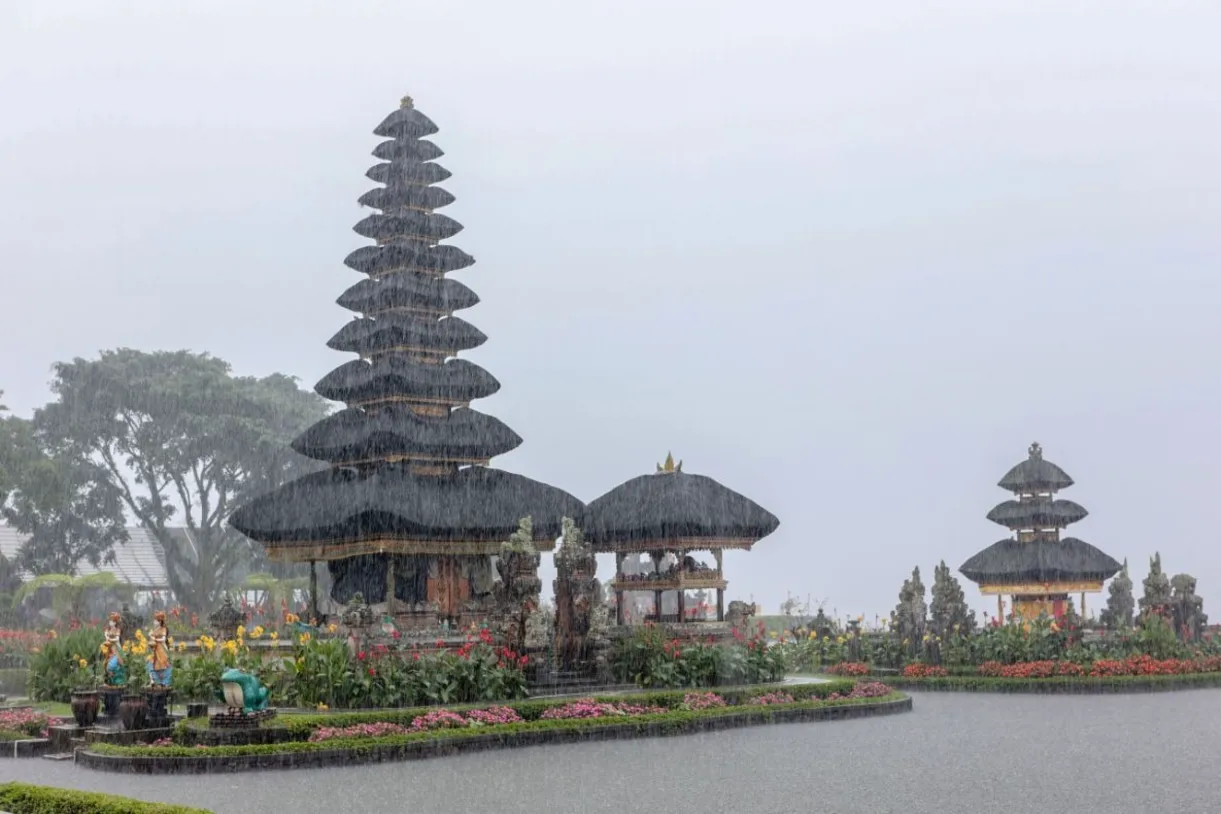
From roughly November to March, Bali generally receives more rain. Conditions can feel more humid, and outdoor plans become less predictable.
That does not mean every wet-season day is washed out. You may get sunny periods between showers, but heavier or longer spells of rain are also possible. It is better to keep some flexibility in your plans rather than assume the rain will always come as a short afternoon shower.
The wet season can still work well if your trip does not depend heavily on clear weather. Food, spa time, cultural experiences and flexible sightseeing are easier to rearrange than several consecutive days of beaches, hiking or boat trips.
Crowds can also be lighter during parts of the wet season, although Christmas and New Year are important exceptions.
What About April, May, September and October?
The change between Bali's dry and wet seasons does not happen on a fixed date.
April and October are better treated as transition months. April often becomes drier as the dry season develops, while October can begin to see wetter conditions return.
May, June and September generally fall more comfortably within the drier part of the year.
Bali Weather Month by Month
Daytime temperatures in Bali remain consistent throughout the year, typically ranging between 27°C and 31°C (80°F to 88°F) along coastal areas. The primary difference between seasons is rain:
Peak Dry Season (July–August): Monthly rainfall averages around 40 mm to 50 mm, with humidity dropping to a comfortable 70–75%.
Peak Wet Season (December–January): Monthly rainfall averages between 280 mm and 345 mm, accompanied by humidity levels reaching 80–85%.
Transition Months (April, May, September, October): Precipitation typically stays moderate, ranging between 70 mm and 150 mm per month.
Use the table below to analyze the rain patterns when choosing your travel window.
|
Month |
Typical weather pattern |
What to know before choosing it |
|
January |
One of the wetter months, with high humidity and frequent rain |
Better for travelers who can keep their plans flexible and do not mind wet-season conditions |
|
February |
Still firmly within the wet season |
Rain is still common, so outdoor plans may need some flexibility |
|
March |
Often still wet, but conditions can begin to change |
A less predictable transition period, with the shift toward drier weather varying from year to year |
|
April |
Rainfall generally starts easing as the dry season develops |
A good option if you want improving weather before the main dry-season months |
|
May |
Generally drier, with favorable conditions for outdoor activities |
One of the better months for a balance of good weather and lighter crowds |
|
June |
Typically dry, with relatively low rainfall |
A strong all-round choice before the busiest part of the dry season |
|
July |
Usually one of the drier months |
Good weather makes it popular, especially for outdoor sightseeing |
|
August |
Typically very dry and less humid |
One of the best months for dry weather, but also part of Bali's main high season |
|
September |
Generally still dry, although rainfall may increase later in the month |
Often a good balance between dry-season weather and fewer peak-season crowds |
|
October |
A transition month, with wetter conditions becoming more likely |
Plenty of good weather is still possible, but conditions are less predictable |
|
November |
The wet season generally becomes more established |
Expect a greater chance of rain and higher humidity, so flexible plans are useful |
|
December |
Wet and humid, with regular tropical rain |
Outdoor plans can be less predictable, while Christmas and New Year bring higher travel demand |
Long-term climate averages show the general pattern clearly: rainfall is usually highest around the beginning and end of the year and lowest through the middle of the year, particularly around July and August.
But averages cannot tell you exactly what the weather will be during your trip.
If your dates are already fixed, the more useful question is not "Will it rain?" but "How much weather uncertainty am I comfortable with?"
Bali's Busiest Months Do Not Always Match Its Driest Months
Bali's weather seasons and busiest travel periods do not line up perfectly.
July and August combine dry-season weather with high visitor demand, while Christmas and New Year can also be extremely busy even though they fall during the wetter season.
This matters if avoiding crowds is part of how you are choosing your travel dates.
July and August
July and August fall within Bali's dry season and overlap with holiday periods in several major international travel markets, so popular tourist areas can feel noticeably busier.
If weather is your main priority, traveling in July or August may be a worthwhile trade-off despite the higher visitor numbers.
If avoiding peak crowds matters more, traveling just before or after this period can make more sense.
Christmas and New Year
Late December and early January are the clearest example of why wet season does not always mean low season.
Bali is usually in its wetter period, but Christmas and New Year still bring strong holiday demand. Bali.com identifies this as one of the island's busiest periods, particularly in southern Bali.
You may therefore experience wet-season rain and humidity while also dealing with busier roads, crowded popular areas and greater demand for accommodation.
If avoiding crowds is one of your main reasons for traveling during the wet season, the year-end holiday period may not be the best choice.
Holiday and Event Periods That Can Affect Your Trip
Some holidays affect more than just crowd levels.
Nyepi, the Balinese Day of Silence, is the most important example for trip planning. It usually falls around March, although the exact date changes each year.
During Nyepi, most public activity and normal travel around Bali stop, and Ngurah Rai International Airport closes for 24 hours. Visitors are also expected to stay inside their accommodation and follow local restrictions.
Nyepi can be a meaningful time to experience Bali, but it needs to be planned for rather than treated as a normal sightseeing day. If your trip falls close to Nyepi, check the confirmed date and arrange flights, transfers and activities around it.
Other national and international holidays can also increase travel demand. You do not need to avoid every event, but it is worth checking whether a major holiday falls during your trip and whether it could affect availability, crowds or your plans.
Does the Weather Feel the Same Everywhere in Bali?
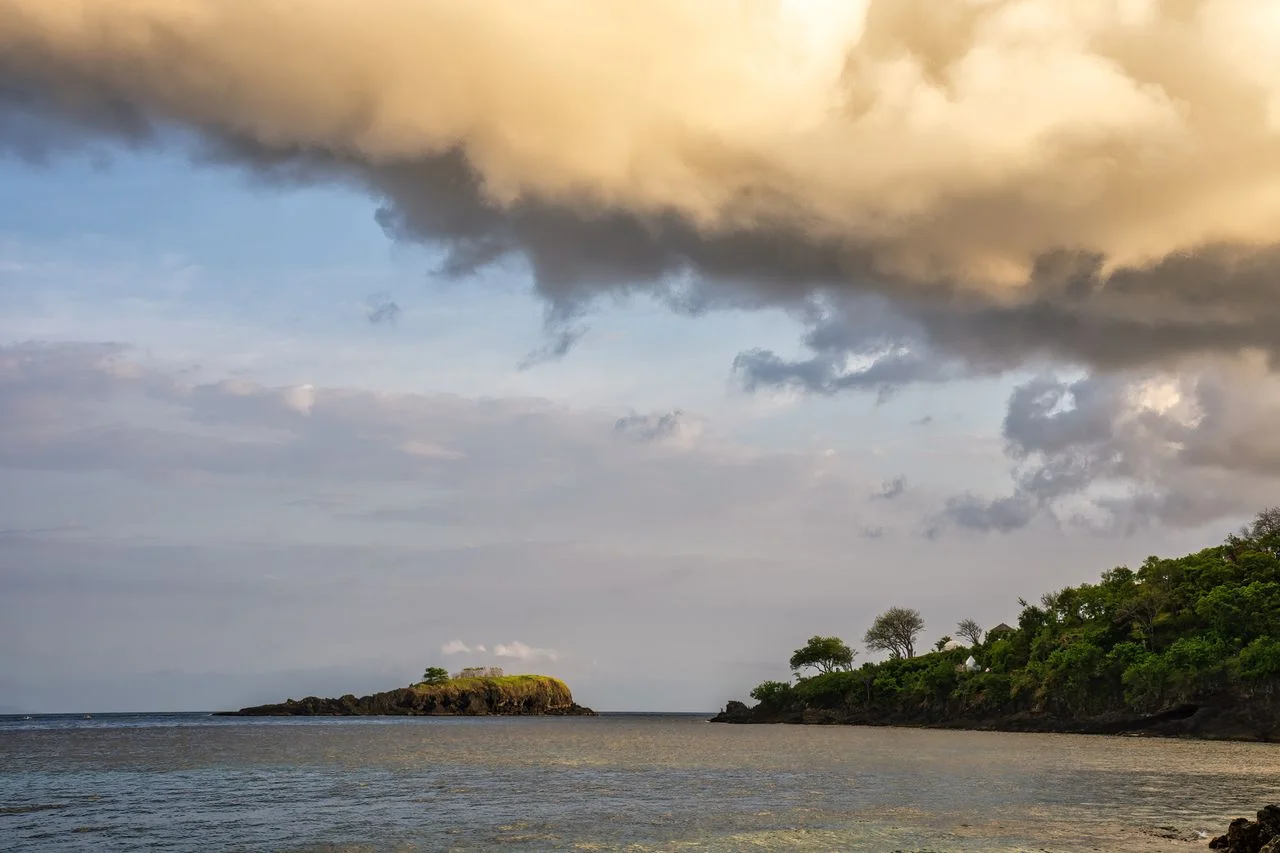
Not quite. Bali is small, but weather can vary noticeably between the coast, inland areas and the central highlands.
Indonesia's official tourism guidance notes that areas around Bali's central mountains are generally cooler and receive more rainfall than coastal areas, largely because of the higher elevation.
This means a general Bali weather forecast may not reflect what you experience everywhere on the island. You could have relatively dry weather along the coast while encountering clouds or rain farther inland or at higher elevations.
You do not need to study the weather of every area separately before your trip. Just keep these differences in mind if you plan to spend a lot of time in Ubud, mountain areas or other inland destinations, especially during the wet season or transition months.
Bali's dry and wet seasons are best used as an island-wide planning guide rather than a guarantee of what the weather will be everywhere.
When Should You Book Your Bali Trip?
There is no single booking window that works for every Bali trip. How early you should book depends on your travel dates, how particular you are about where you stay and how flexible your plans are.
Booking earlier matters most during Bali's busiest periods or when you want a specific hotel, villa or room type.
It is also worth separating availability from price. Booking early can give you more choice, but it does not guarantee the lowest airfare or hotel rate.
As a general guide:
|
Travel period |
What booking usually looks like |
|
July and August |
Booking earlier is useful if your dates are fixed or you want a particular hotel, villa or room type |
|
Christmas and New Year |
Treat this as a peak-demand period and arrange important accommodation, restaurants and date-specific experiences earlier |
|
May, June and September |
Usually more flexible than peak season, although popular properties can still fill |
|
Quieter wet-season periods |
Often more room to wait if you are flexible about where you stay and how you plan your days |
The season matters, but your own requirements can matter even more.
Booking earlier is especially useful if:
- you want a specific hotel, villa or room type;
- your travel dates cannot change;
- you are travelling with a group and need several rooms or a larger villa;
- you have several accommodation bookings that need to fit together;
- you want an experience tied to a particular date.
If your dates are flexible and you are happy choosing between several suitable places, booking later is usually easier.
The practical rule is simple: the less flexible your trip is, the more useful early booking becomes.